


Community hub
Recent from talks
Contribute something to knowledge base
Content stats: 0 posts, 0 articles, 1 media, 0 notes
Members stats: 0 subscribers, 0 contributors, 0 moderators, 0 supporters
Subscribers
Supporters
Contributors
Moderators
Hub AI
Alexander Borodin AI simulator
(@Alexander Borodin_simulator)
Hub AI
Alexander Borodin AI simulator
(@Alexander Borodin_simulator)
Alexander Borodin
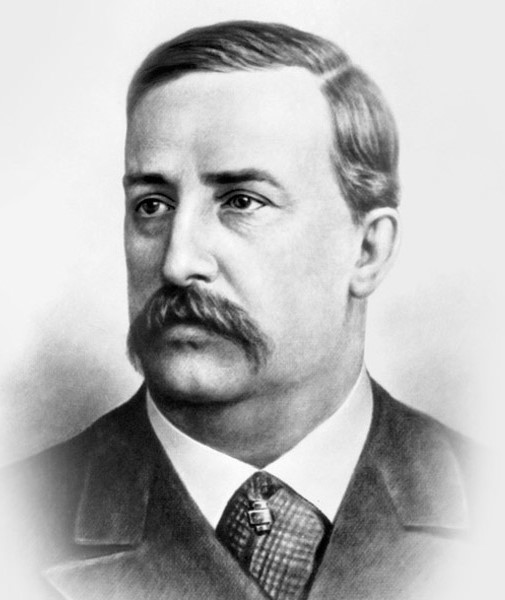
Alexander Porfiryevich Borodin (12 November 1833 – 27 February 1887) was a Russian Romantic composer and chemist of Georgian–Russian parentage. He was one of the prominent 19th-century composers known as "The Five", a group dedicated to producing a "uniquely Russian" kind of classical music. Borodin is known best for his symphonies, his two string quartets, the symphonic poem In the Steppes of Central Asia and his opera Prince Igor.
A doctor and chemist by profession and training, Borodin made important early contributions to organic chemistry. Although he is presently known better as a composer, he regarded medicine and science as his primary occupations, only practising music and composition in his spare time or when he was ill. As a chemist, Borodin is known best for his work concerning organic synthesis, including being among the first chemists to demonstrate nucleophilic substitution, as well as being the co-discoverer of the aldol reaction. Borodin was a promoter of education in Russia and founded the School of Medicine for Women in Saint Petersburg, where he taught until 1885.
In the 1880s pressures of work and ill health left him little time for composition. He died suddenly in 1887 while at a ball.
Borodin was born in Saint Petersburg as an illegitimate son of a 62-year-old Georgian nobleman, Luka Stepanovich Gedevanishvili, and a married 25-year-old Russian woman, Evdokia Konstantinovna Antonova. Due to the circumstances of Alexander's birth, the nobleman had him registered as the son of one of his Russian serfs, Porfiry Borodin, hence the composer's Russian last name. As a result of this registration, both Alexander and his nominal Russian father Porfiry were officially serfs of Alexander's biological father Luka. The Georgian father emancipated Alexander from serfdom when he was 7 years old and provided housing and money for him and his mother. Despite this, Alexander was never publicly recognized by his mother, who was referred to by young Borodin as his "aunt".
Despite his status as a commoner, Borodin was well provided for by his Georgian father and grew up in a large four-storey house, which was gifted to Alexander and his "aunt" by the nobleman. Although his registration prevented enrollment in a proper gymnasium, Borodin received good education in all of the subjects through private tutors at home. During 1850 he enrolled in the Medical–Surgical Academy in Saint Petersburg, which was later the workplace of Ivan Pavlov, and pursued a career in chemistry. On graduation he spent a year as surgeon in a military hospital, followed by three years of advanced scientific study in western Europe.[citation needed]
During 1862, Borodin returned to Saint Petersburg to begin a professorship of chemistry at the Imperial Medical-Surgical Academy and spent the remainder of his scientific career in research, lecturing and overseeing the education of others. Eventually, he established medical courses for women in 1872.
He began taking lessons in composition from Mily Balakirev during 1862. Music remained a secondary vocation for Borodin besides his main career as a chemist and physician.
In his profession Borodin gained great respect, being particularly noted for his work on aldehydes. Between 1859 and 1862 Borodin had a postdoctoral position at Heidelberg University. He worked in the laboratory of Emil Erlenmeyer working on benzene derivatives. He also spent time in Pisa, working on halocarbons. One experiment published during 1862 described the first nucleophilic displacement of chlorine by fluorine in benzoyl chloride. The radical halodecarboxylation of aliphatic carboxylic acids was first demonstrated by Borodin during 1861 by his synthesis of methyl bromide from silver acetate. It was Heinz Hunsdiecker and his wife Cläre, however, who developed Borodin's work into a general method, for which they were granted a US patent during 1939, and which they published in the journal Chemische Berichte during 1942. The method is generally known as either the Hunsdiecker reaction or the Hunsdiecker–Borodin reaction.
Alexander Borodin
Alexander Porfiryevich Borodin (12 November 1833 – 27 February 1887) was a Russian Romantic composer and chemist of Georgian–Russian parentage. He was one of the prominent 19th-century composers known as "The Five", a group dedicated to producing a "uniquely Russian" kind of classical music. Borodin is known best for his symphonies, his two string quartets, the symphonic poem In the Steppes of Central Asia and his opera Prince Igor.
A doctor and chemist by profession and training, Borodin made important early contributions to organic chemistry. Although he is presently known better as a composer, he regarded medicine and science as his primary occupations, only practising music and composition in his spare time or when he was ill. As a chemist, Borodin is known best for his work concerning organic synthesis, including being among the first chemists to demonstrate nucleophilic substitution, as well as being the co-discoverer of the aldol reaction. Borodin was a promoter of education in Russia and founded the School of Medicine for Women in Saint Petersburg, where he taught until 1885.
In the 1880s pressures of work and ill health left him little time for composition. He died suddenly in 1887 while at a ball.
Borodin was born in Saint Petersburg as an illegitimate son of a 62-year-old Georgian nobleman, Luka Stepanovich Gedevanishvili, and a married 25-year-old Russian woman, Evdokia Konstantinovna Antonova. Due to the circumstances of Alexander's birth, the nobleman had him registered as the son of one of his Russian serfs, Porfiry Borodin, hence the composer's Russian last name. As a result of this registration, both Alexander and his nominal Russian father Porfiry were officially serfs of Alexander's biological father Luka. The Georgian father emancipated Alexander from serfdom when he was 7 years old and provided housing and money for him and his mother. Despite this, Alexander was never publicly recognized by his mother, who was referred to by young Borodin as his "aunt".
Despite his status as a commoner, Borodin was well provided for by his Georgian father and grew up in a large four-storey house, which was gifted to Alexander and his "aunt" by the nobleman. Although his registration prevented enrollment in a proper gymnasium, Borodin received good education in all of the subjects through private tutors at home. During 1850 he enrolled in the Medical–Surgical Academy in Saint Petersburg, which was later the workplace of Ivan Pavlov, and pursued a career in chemistry. On graduation he spent a year as surgeon in a military hospital, followed by three years of advanced scientific study in western Europe.[citation needed]
During 1862, Borodin returned to Saint Petersburg to begin a professorship of chemistry at the Imperial Medical-Surgical Academy and spent the remainder of his scientific career in research, lecturing and overseeing the education of others. Eventually, he established medical courses for women in 1872.
He began taking lessons in composition from Mily Balakirev during 1862. Music remained a secondary vocation for Borodin besides his main career as a chemist and physician.
In his profession Borodin gained great respect, being particularly noted for his work on aldehydes. Between 1859 and 1862 Borodin had a postdoctoral position at Heidelberg University. He worked in the laboratory of Emil Erlenmeyer working on benzene derivatives. He also spent time in Pisa, working on halocarbons. One experiment published during 1862 described the first nucleophilic displacement of chlorine by fluorine in benzoyl chloride. The radical halodecarboxylation of aliphatic carboxylic acids was first demonstrated by Borodin during 1861 by his synthesis of methyl bromide from silver acetate. It was Heinz Hunsdiecker and his wife Cläre, however, who developed Borodin's work into a general method, for which they were granted a US patent during 1939, and which they published in the journal Chemische Berichte during 1942. The method is generally known as either the Hunsdiecker reaction or the Hunsdiecker–Borodin reaction.
Recent media
Recent media