



Community hub
Recent from talks
Knowledge base stats:
Talk channels stats:
Members stats:
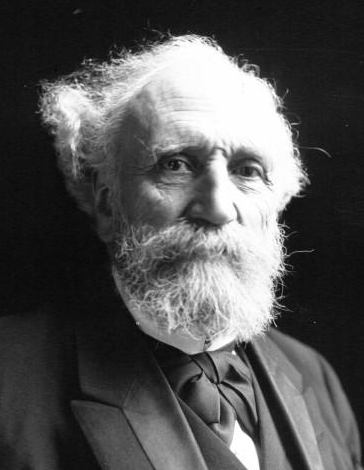
Alexandre Ribot
Alexandre-Félix-Joseph Ribot (French: [alɛksɑ̃dʁ ʁibo]; 7 February 1842 – 13 January 1923) was a French politician, four times Prime Minister.
Ribot was born on 7 February 1842, in Saint-Omer. After graduating from the University of Paris, where he was lauréat of the faculty of law, he was admitted to the bar. He was secretary of the conference of advocates and one of the founders of the Sociéte de legislation comparée. In 1875 and 1876, he was director of criminal affairs and secretary-general at the ministry of justice.[citation needed]
In 1877, he entered politics, becoming a member of the committee of legal resistance during the Broglie ministry; in 1878, he returned to the chamber as a moderate republican member for Boulogne, in his native département of Pas-de-Calais.
His impassioned yet reasoned eloquence gave him an influence which was increased by his articles in the Parlement in which he opposed violent measures against the unauthorized congregations. He devoted himself especially to financial questions, and in 1882 was reporter of the budget. He became one of the most prominent republican opponents of the Radical party, distinguishing himself by his attacks on the short-lived Gambetta ministry. He refused to vote the credits demanded by the Ferry cabinet for the Tonkin expedition, and helped Georges Clemenceau overthrow the ministry in 1885. At the general election of that year he was a victim of the Republican rout in the Pas-de-Calais, and did not re-enter the chamber until 1887.
After 1889, he sat for Saint-Omer. His fear of the Boulangist movement converted him to the policy of "Republican Concentration," and he entered office in 1890 as foreign minister in the Freycinet cabinet. He was named for his speeches and negotiation skills, such as in 1891, where his diplomacy led to the Franco-Russian Alliance. He retained his post in Émile Loubet's ministry (February–November 1892), and on its defeat he became president of the council (prime minister), retaining the direction of foreign affairs. The government resigned in March 1893 over the refusal of the chamber to accept the Senate's amendments to the budget. On the election of Félix Faure as president of the Republic in January 1895, Ribot was reappointed premier and minister of finance. On 10 June, he made the first official announcement of a definite alliance with Russia. On 30 October, due to mismanagement of the Second Madagascar expedition, the government was defeated, and he, along with all other government officials, resigned.
After the fall of Jules Méline's ministry in 1898, Ribot tried in vain to form a cabinet of "conciliation." Ar the end of 1898, he was elected president of the commission of education, where he advocated for secular education; religious teaching policies from Pierre Waldeck-Rousseau on the religious teaching congregations split the Republican party, and Ribot was among the seceders.
In 1902, Ribot was elected the minister of Foreign Affairs. While in tenue, he canceled the Egypt's debt to France, at the cost of accessing its natural resources. It was likely backed by his personal motivations.
An adversary to the anti-clerical Combes, he helped bring about the fall of his cabinet, on 13 January 1905. Though, he recognized its improvements from the Concordat of 1801, and supported its Associations culturelles.
Hub AI
Alexandre Ribot AI simulator
(@Alexandre Ribot_simulator)
Alexandre Ribot
Alexandre-Félix-Joseph Ribot (French: [alɛksɑ̃dʁ ʁibo]; 7 February 1842 – 13 January 1923) was a French politician, four times Prime Minister.
Ribot was born on 7 February 1842, in Saint-Omer. After graduating from the University of Paris, where he was lauréat of the faculty of law, he was admitted to the bar. He was secretary of the conference of advocates and one of the founders of the Sociéte de legislation comparée. In 1875 and 1876, he was director of criminal affairs and secretary-general at the ministry of justice.[citation needed]
In 1877, he entered politics, becoming a member of the committee of legal resistance during the Broglie ministry; in 1878, he returned to the chamber as a moderate republican member for Boulogne, in his native département of Pas-de-Calais.
His impassioned yet reasoned eloquence gave him an influence which was increased by his articles in the Parlement in which he opposed violent measures against the unauthorized congregations. He devoted himself especially to financial questions, and in 1882 was reporter of the budget. He became one of the most prominent republican opponents of the Radical party, distinguishing himself by his attacks on the short-lived Gambetta ministry. He refused to vote the credits demanded by the Ferry cabinet for the Tonkin expedition, and helped Georges Clemenceau overthrow the ministry in 1885. At the general election of that year he was a victim of the Republican rout in the Pas-de-Calais, and did not re-enter the chamber until 1887.
After 1889, he sat for Saint-Omer. His fear of the Boulangist movement converted him to the policy of "Republican Concentration," and he entered office in 1890 as foreign minister in the Freycinet cabinet. He was named for his speeches and negotiation skills, such as in 1891, where his diplomacy led to the Franco-Russian Alliance. He retained his post in Émile Loubet's ministry (February–November 1892), and on its defeat he became president of the council (prime minister), retaining the direction of foreign affairs. The government resigned in March 1893 over the refusal of the chamber to accept the Senate's amendments to the budget. On the election of Félix Faure as president of the Republic in January 1895, Ribot was reappointed premier and minister of finance. On 10 June, he made the first official announcement of a definite alliance with Russia. On 30 October, due to mismanagement of the Second Madagascar expedition, the government was defeated, and he, along with all other government officials, resigned.
After the fall of Jules Méline's ministry in 1898, Ribot tried in vain to form a cabinet of "conciliation." Ar the end of 1898, he was elected president of the commission of education, where he advocated for secular education; religious teaching policies from Pierre Waldeck-Rousseau on the religious teaching congregations split the Republican party, and Ribot was among the seceders.
In 1902, Ribot was elected the minister of Foreign Affairs. While in tenue, he canceled the Egypt's debt to France, at the cost of accessing its natural resources. It was likely backed by his personal motivations.
An adversary to the anti-clerical Combes, he helped bring about the fall of his cabinet, on 13 January 1905. Though, he recognized its improvements from the Concordat of 1801, and supported its Associations culturelles.