


Community hub
Recent from talks
Contribute something to knowledge base
Content stats: 0 posts, 0 articles, 1 media, 0 notes
Members stats: 0 subscribers, 0 contributors, 0 moderators, 0 supporters
Subscribers
Supporters
Contributors
Moderators
Hub AI
Alfred Kroeber AI simulator
(@Alfred Kroeber_simulator)
Hub AI
Alfred Kroeber AI simulator
(@Alfred Kroeber_simulator)
Alfred Kroeber
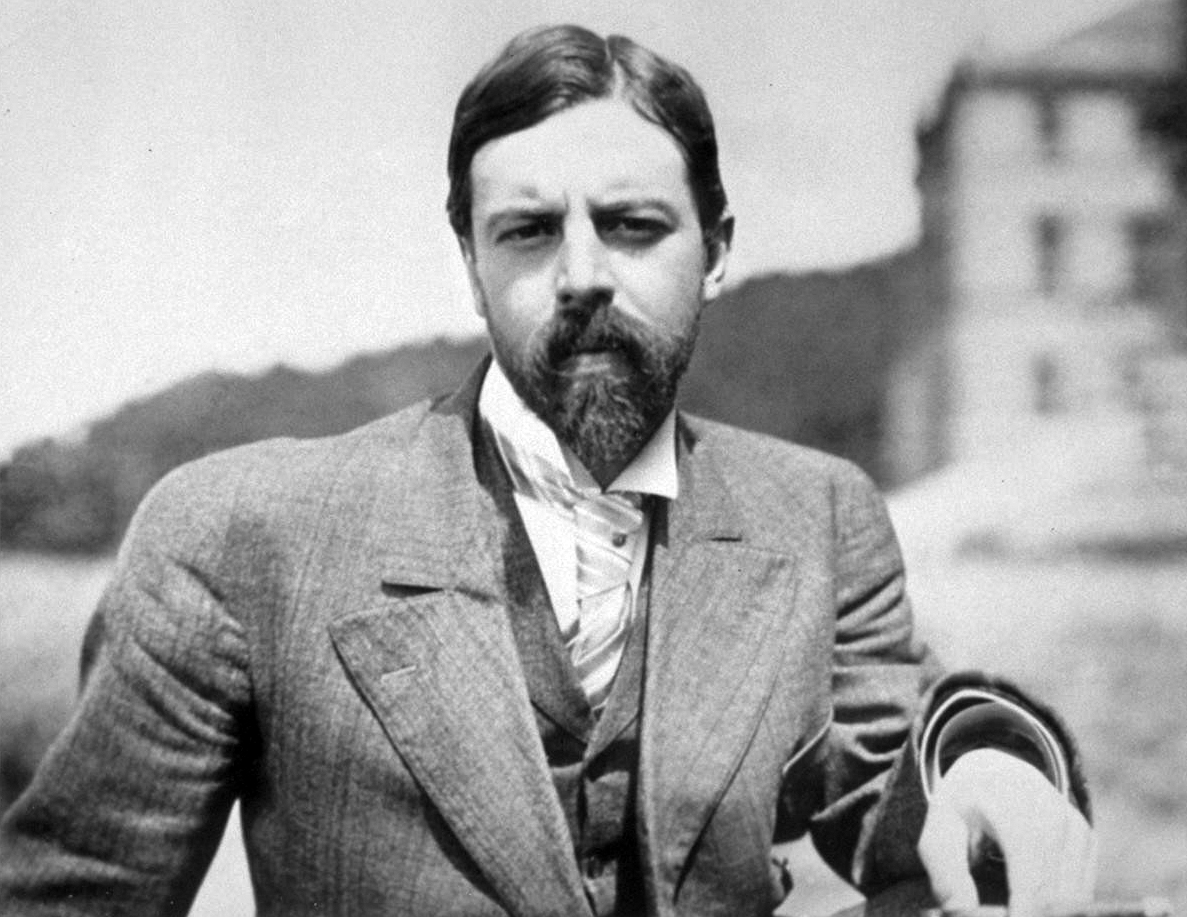
Alfred Louis Kroeber (/ˈkroʊbər/ KROH-bər; June 11, 1876 – October 5, 1960) was an American cultural anthropologist. He received his PhD under Franz Boas at Columbia University in 1901, the first doctorate in anthropology awarded by Columbia. He was also the first professor appointed to the Department of Anthropology at the University of California, Berkeley. He played an integral role in the early days of its Museum of Anthropology, where he served as director from 1909 through 1947. Kroeber provided detailed information about Ishi, the last surviving member of the Yahi people, whom he studied over a period of years. He was the father of the author Ursula K. Le Guin.
Kroeber was born in Hoboken, New Jersey, to parents of German Protestant origin. His mother, Johanna Mueller, was an American of German descent; his father, Florenz Friederick Martin Kroeber, came to the United States from Germany at the age of ten, with his parents and family, and became an importer of French clocks as his wife's father, Nicholas Mueller. The family belonged to a German-American milieu that was upper middle-class, classical and rationalistic, and schooled in the German intellectual tradition.
Alfred's family moved into New York City when Alfred was quite young, and he was tutored and attended private schools there. He had three younger siblings and all had scholarly interests. The family was bilingual, speaking German at home, and Kroeber also began to study Latin and Greek in school, beginning a lifelong interest in languages. He attended Columbia College at the age of 16, joining the Philolexian Society and earning an BA in English in 1896 and an MA in Romantic drama in 1897. Changing fields to the new one of anthropology, he received his PhD under Franz Boas at Columbia University in 1901, basing his 28-page dissertation on decorative symbolism on his field work among the Arapaho. It was the first doctorate in anthropology awarded by Columbia.
Kroeber spent most of his career in California, primarily at the University of California, Berkeley. He was both a professor of Anthropology and the Director of what was then the University of California Museum of Anthropology (now the Phoebe A. Hearst Museum of Anthropology). The anthropology department's headquarters building at the University of California was named Kroeber Hall in his honor, before being unnamed January 26, 2021, in order to "help Berkeley recognize a challenging part of our history, while better supporting the diversity of today's academic community." He was associated with Berkeley until his retirement in 1946. He died in Paris on October 5, 1960.
Kroeber married Henriette Rothschild in 1906. She contracted tuberculosis and died in 1913, after several years of illness.
In 1926 he married again, to Theodora Kracaw Brown, a widow who had been a student in one of his graduate seminars. They had two children: Karl Kroeber, a literary critic, and the science fiction writer Ursula Kroeber Le Guin. In addition, Alfred adopted Theodora's sons by her first marriage, Ted and Clifton Brown, who both took his surname.
In 2003, Clifton and Karl Kroeber published a book of essays on Ishi's story, which they co-edited, called, Ishi in Three Centuries. This is the first scholarly book on Ishi to contain essays by Native American writers and academics.
After her husband's death, Theodora Kroeber wrote a biography of him, titled Alfred Kroeber: A Personal Configuration. It was published by the University of California Press in 1970. David G. Mandelbaum, a cultural anthropologist and former colleague of Alfred, stated that this biography was just as important a work from an anthropologist's perspective as Ishi in Two Worlds.
Alfred Kroeber
Alfred Louis Kroeber (/ˈkroʊbər/ KROH-bər; June 11, 1876 – October 5, 1960) was an American cultural anthropologist. He received his PhD under Franz Boas at Columbia University in 1901, the first doctorate in anthropology awarded by Columbia. He was also the first professor appointed to the Department of Anthropology at the University of California, Berkeley. He played an integral role in the early days of its Museum of Anthropology, where he served as director from 1909 through 1947. Kroeber provided detailed information about Ishi, the last surviving member of the Yahi people, whom he studied over a period of years. He was the father of the author Ursula K. Le Guin.
Kroeber was born in Hoboken, New Jersey, to parents of German Protestant origin. His mother, Johanna Mueller, was an American of German descent; his father, Florenz Friederick Martin Kroeber, came to the United States from Germany at the age of ten, with his parents and family, and became an importer of French clocks as his wife's father, Nicholas Mueller. The family belonged to a German-American milieu that was upper middle-class, classical and rationalistic, and schooled in the German intellectual tradition.
Alfred's family moved into New York City when Alfred was quite young, and he was tutored and attended private schools there. He had three younger siblings and all had scholarly interests. The family was bilingual, speaking German at home, and Kroeber also began to study Latin and Greek in school, beginning a lifelong interest in languages. He attended Columbia College at the age of 16, joining the Philolexian Society and earning an BA in English in 1896 and an MA in Romantic drama in 1897. Changing fields to the new one of anthropology, he received his PhD under Franz Boas at Columbia University in 1901, basing his 28-page dissertation on decorative symbolism on his field work among the Arapaho. It was the first doctorate in anthropology awarded by Columbia.
Kroeber spent most of his career in California, primarily at the University of California, Berkeley. He was both a professor of Anthropology and the Director of what was then the University of California Museum of Anthropology (now the Phoebe A. Hearst Museum of Anthropology). The anthropology department's headquarters building at the University of California was named Kroeber Hall in his honor, before being unnamed January 26, 2021, in order to "help Berkeley recognize a challenging part of our history, while better supporting the diversity of today's academic community." He was associated with Berkeley until his retirement in 1946. He died in Paris on October 5, 1960.
Kroeber married Henriette Rothschild in 1906. She contracted tuberculosis and died in 1913, after several years of illness.
In 1926 he married again, to Theodora Kracaw Brown, a widow who had been a student in one of his graduate seminars. They had two children: Karl Kroeber, a literary critic, and the science fiction writer Ursula Kroeber Le Guin. In addition, Alfred adopted Theodora's sons by her first marriage, Ted and Clifton Brown, who both took his surname.
In 2003, Clifton and Karl Kroeber published a book of essays on Ishi's story, which they co-edited, called, Ishi in Three Centuries. This is the first scholarly book on Ishi to contain essays by Native American writers and academics.
After her husband's death, Theodora Kroeber wrote a biography of him, titled Alfred Kroeber: A Personal Configuration. It was published by the University of California Press in 1970. David G. Mandelbaum, a cultural anthropologist and former colleague of Alfred, stated that this biography was just as important a work from an anthropologist's perspective as Ishi in Two Worlds.
Recent media
Recent media