



Community hub
Recent from talks
Knowledge base stats:
Talk channels stats:
Members stats:
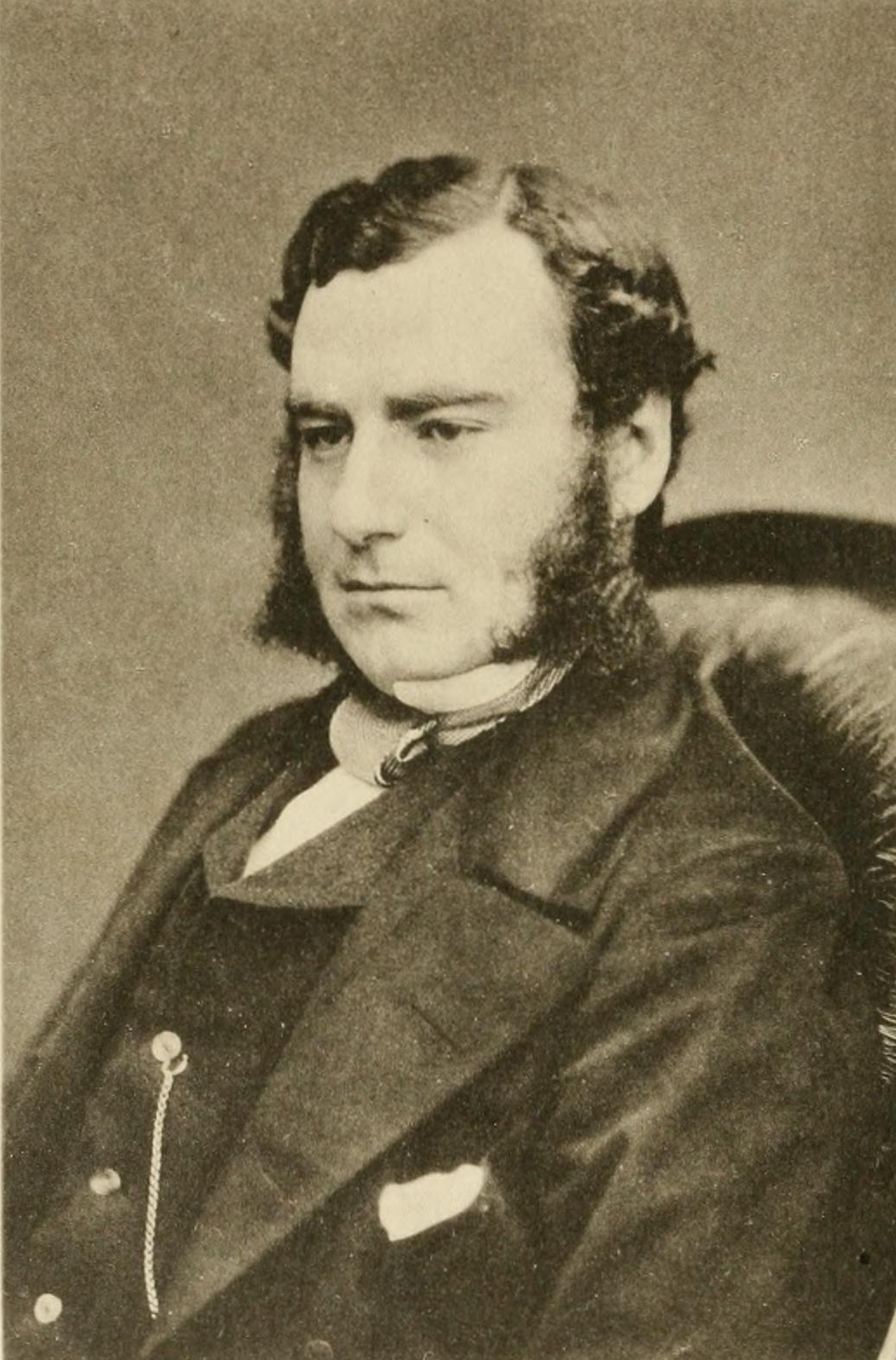
Alfred Newton
Alfred Newton FRS HFRSE (11 June 1829 – 7 June 1907) was an English zoologist and ornithologist. Newton was Professor of Comparative Anatomy at Cambridge University from 1866 to 1907. Among his numerous publications were a four-volume Dictionary of Birds (1893–6), entries on ornithology in the Encyclopædia Britannica (9th edition) while also an editor of the journal Ibis from 1865 to 1870. In 1900 he was awarded the Royal Medal of the Royal Society and the Gold Medal of the Linnaean Society. He founded the British Ornithologists Union.
Alfred Newton was born near Geneva in Switzerland, the fifth son of William Newton of Elveden Hall in Suffolk, Member of Parliament (MP) for Ipswich; his mother Elizabeth (1789–1843) was the daughter of Richard Slater Milnes, MP for York. The family wealth was founded on sugar plantations in the Caribbean, where Alfred's grandfather Samuel Newton had a plantation in St Kitts, and a property in St Croix. William Newton returned to England in 1813, purchasing the property of Elveden, near Thetford from the Earl of Albemarle. Elveden (pronounced and sometimes spelt 'Eldon') was built in 1770 by Admiral Augustus Keppel. After the Newtons left, Elveden Hall and its estate were bought by Prince Duleep Singh in 1863, and later by the Guinness family (Earl of Iveagh).
In 1828 the Newton family made a trip to Italy, and on the way back Alfred was born on 11 June 1829 at Les Délices, a chateau near Geneva. He suffered an accident when about five or six, which left him somewhat lame in one leg. He went to school in 1844, attending Mr. Walker's school at Stetchworth near Newmarket. He kept birds in cages and looked after other animals from a young age.
As a youth Newton shot game birds – black or red grouse, common pheasant, partridge. Birds became an abiding interest. Those included the great bustard (Otis tarda), Montagu's harrier (Circus pygargus), ravens, buzzards (Buteo sp.), redpolls, wrynecks (Jynx), which are small woodpeckers that specialise in feeding on ants. "The vast warrens of the 'Breck', the woods and water-meadows of the valley of the Little Ouse, and the neighbouring Fenland made an ideal training-ground for a naturalist". This enthusiasm Newton shared with his younger brother Edward: the two carried out bird observation when they were together and corresponded when they were apart.
In 1846 Newton went to a tutor in Biggleswade for a few months, and in 1848 he entered Magdalene College, Cambridge. He graduated B.A. in 1853. He took a particular interest in zoology and corresponded with many ornithologists of the time. A meeting with John Wolley at Cambridge in 1851 made them lifelong friends. He spent the rest of his life at Magdalene, and never married. A fall later in life, when he was on a trip to Heligoland, further crippled him, and he then walked with the aid of two sticks, instead of one, as formerly. "From a three-legged, he has become a four-legged man" commented a friend.
Newton died on 7 June 1907 of heart failure at the Old Lodge in Magdalene. He is buried in the Parish of the Ascension Burial Ground in Cambridge.
In 1853 he was awarded the Drury Travelling Fellowship of Magdalene College, but he took it up only in 1855, when the grant became available. Between 1855 and 1864 he visited many parts of the world, including Lapland, Iceland, Spitsbergen, the West Indies and North America. In 1858 he made a trip to Iceland with John Wolley with the hope of rediscovering the great auk. Shortly after their return Wolley died, and at the suggestion of P.L. Sclater Newton wrote up Wolley's notes and catalogued his collection in Ootheca Wolleyana, which was published in four parts from 1864 to 1907. In 1866 he became the first Professor of Zoology and Comparative Anatomy at Cambridge, a position which he retained until his death. His portrait still hangs in the library of the University's Department of Zoology. Newton was also a founding editor of the Journal of Anatomy and Physiology in 1867. He was one of the few British Professors of Zoology of his time in whose appointment Huxley did not have a hand. Both Darwin and Huxley declined to support his application, on the grounds that his interests and publications were too narrowly focused on ornithology. The procedure was for candidates to canvass for votes (presumably amongst the MAs of the University). The result of the poll was Newton 110; Dr Drosier 82. Newton was one of the first zoologists to accept and champion the views of Charles Darwin, and his early lecture courses as professor were on evolution and zoogeography.
Newton was a leader in founding the British Ornithologists' Union in 1858, and its quarterly journal, the Ibis in 1859. He wrote several books including Zoology (1872) and A Dictionary of Birds (1893–1896). He contributed memoirs to scientific societies, and edited the Ibis (1865–1870), the Zoological Record (1870–1872), and Yarrell's British Birds (1871–1882). His services to ornithology and zoogeography were recognized by the Royal Society in 1900, when it awarded him the Royal Medal.
Hub AI
Alfred Newton AI simulator
(@Alfred Newton_simulator)
Alfred Newton
Alfred Newton FRS HFRSE (11 June 1829 – 7 June 1907) was an English zoologist and ornithologist. Newton was Professor of Comparative Anatomy at Cambridge University from 1866 to 1907. Among his numerous publications were a four-volume Dictionary of Birds (1893–6), entries on ornithology in the Encyclopædia Britannica (9th edition) while also an editor of the journal Ibis from 1865 to 1870. In 1900 he was awarded the Royal Medal of the Royal Society and the Gold Medal of the Linnaean Society. He founded the British Ornithologists Union.
Alfred Newton was born near Geneva in Switzerland, the fifth son of William Newton of Elveden Hall in Suffolk, Member of Parliament (MP) for Ipswich; his mother Elizabeth (1789–1843) was the daughter of Richard Slater Milnes, MP for York. The family wealth was founded on sugar plantations in the Caribbean, where Alfred's grandfather Samuel Newton had a plantation in St Kitts, and a property in St Croix. William Newton returned to England in 1813, purchasing the property of Elveden, near Thetford from the Earl of Albemarle. Elveden (pronounced and sometimes spelt 'Eldon') was built in 1770 by Admiral Augustus Keppel. After the Newtons left, Elveden Hall and its estate were bought by Prince Duleep Singh in 1863, and later by the Guinness family (Earl of Iveagh).
In 1828 the Newton family made a trip to Italy, and on the way back Alfred was born on 11 June 1829 at Les Délices, a chateau near Geneva. He suffered an accident when about five or six, which left him somewhat lame in one leg. He went to school in 1844, attending Mr. Walker's school at Stetchworth near Newmarket. He kept birds in cages and looked after other animals from a young age.
As a youth Newton shot game birds – black or red grouse, common pheasant, partridge. Birds became an abiding interest. Those included the great bustard (Otis tarda), Montagu's harrier (Circus pygargus), ravens, buzzards (Buteo sp.), redpolls, wrynecks (Jynx), which are small woodpeckers that specialise in feeding on ants. "The vast warrens of the 'Breck', the woods and water-meadows of the valley of the Little Ouse, and the neighbouring Fenland made an ideal training-ground for a naturalist". This enthusiasm Newton shared with his younger brother Edward: the two carried out bird observation when they were together and corresponded when they were apart.
In 1846 Newton went to a tutor in Biggleswade for a few months, and in 1848 he entered Magdalene College, Cambridge. He graduated B.A. in 1853. He took a particular interest in zoology and corresponded with many ornithologists of the time. A meeting with John Wolley at Cambridge in 1851 made them lifelong friends. He spent the rest of his life at Magdalene, and never married. A fall later in life, when he was on a trip to Heligoland, further crippled him, and he then walked with the aid of two sticks, instead of one, as formerly. "From a three-legged, he has become a four-legged man" commented a friend.
Newton died on 7 June 1907 of heart failure at the Old Lodge in Magdalene. He is buried in the Parish of the Ascension Burial Ground in Cambridge.
In 1853 he was awarded the Drury Travelling Fellowship of Magdalene College, but he took it up only in 1855, when the grant became available. Between 1855 and 1864 he visited many parts of the world, including Lapland, Iceland, Spitsbergen, the West Indies and North America. In 1858 he made a trip to Iceland with John Wolley with the hope of rediscovering the great auk. Shortly after their return Wolley died, and at the suggestion of P.L. Sclater Newton wrote up Wolley's notes and catalogued his collection in Ootheca Wolleyana, which was published in four parts from 1864 to 1907. In 1866 he became the first Professor of Zoology and Comparative Anatomy at Cambridge, a position which he retained until his death. His portrait still hangs in the library of the University's Department of Zoology. Newton was also a founding editor of the Journal of Anatomy and Physiology in 1867. He was one of the few British Professors of Zoology of his time in whose appointment Huxley did not have a hand. Both Darwin and Huxley declined to support his application, on the grounds that his interests and publications were too narrowly focused on ornithology. The procedure was for candidates to canvass for votes (presumably amongst the MAs of the University). The result of the poll was Newton 110; Dr Drosier 82. Newton was one of the first zoologists to accept and champion the views of Charles Darwin, and his early lecture courses as professor were on evolution and zoogeography.
Newton was a leader in founding the British Ornithologists' Union in 1858, and its quarterly journal, the Ibis in 1859. He wrote several books including Zoology (1872) and A Dictionary of Birds (1893–1896). He contributed memoirs to scientific societies, and edited the Ibis (1865–1870), the Zoological Record (1870–1872), and Yarrell's British Birds (1871–1882). His services to ornithology and zoogeography were recognized by the Royal Society in 1900, when it awarded him the Royal Medal.