



Community hub
Recent from talks
Knowledge base stats:
Talk channels stats:
Members stats:
Alupa dynasty
The Alupa dynasty was an Indian dynasty that ruled from 200 to 1444 A.D. in Southern India. They were local feudatories at different times under major dynasties such as the Kadambas, Chalukyas, Rashtrakutas and later Vijaynagara The kingdom they ruled was known as Alvakheda Arusasira, and its territory spanned the coastal districts of the modern Indian state known as Karnataka, including Kasaragod district of present-day Kerala.The Alupas played a significant role in the political, cultural, and religious history of coastal Karnataka.
The name of the dynasty is variously recorded in inscriptions as Alupa, Aluva, Alva, Aluka, and Alapa. The origin of Alupas prior to the Kadambas is unclear, as there is no epigraphical evidence. Ptolemy, the 2nd-century geographer, identifies the Alvakheda as Olokhoira, which is widely believed to be a corruption of the term Alva Kheda, 'the land of the Alvas.
In the Tulu language, ಆಳ್ಪು (Alup) means 'to rule', ಆಳ್ಪುನು (Alupunu) means 'ruling', ಆಳುಪೆ / ಆಳ್ಪೆ / ಆಳ್ಪುನಾಯೆ (Alupe) means 'ruler' (one who rules). According to B. A. Saletore, the name Alupa may be derived from its variant Aluka, which is an epithet of the divine serpent Shesha of Hindu epics. Fleet has suggested that the name Aluka could denote the Nāga Because it represent Jain Yakshini Padamavti the yakshini of Parshwanatha, who in early times were included in Chalukya dominions. Saletore further adds that the Naga or Jain origin of the Alupas is proved by two facts. The figure of a hooded serpent, which is found in an effaced Alupa stone inscription around Mangalore, Saletore dismisses the idea regarding the Dravidian origin of the name from the Kannada word Alunu, meaning 'to rule' or 'govern'.
The Alupas in their prime were an independent dynasty, centuries after reigning due to the dominance of Kadambas from Banavasi, they became feudatories to them. Later, they became the vassals of the Chalukyas, Rashtrakutas, and Hoysalas with the change in the political scenario of Southern India. Their influence over coastal Karnataka lasted for about 1200 years. There is evidence that the Alupas followed the law of matrilineal inheritance (Appekatt/Aliyasantana) since the Alupa king Soyideva was succeeded by his nephew Kulasekhara Bankideva (son of Alupa princess Krishnayitayi and Hoysala Veera Ballala III). The legendary king who is credited with introducing matrilineality in South Canara Kheda is named Bhuta Alupa Pandya, The last Alupa king to have ruled is Kulasekharadeva Alupendradeva, whose inscription dated 1444 CE has been found in Mudabidri Jain Basadi.
The history of the clan emerges from obscurity during the rise of Badami Chalukya in the Aihole and Mahakuta inscriptions, which claim the Alupas had accepted Chalukya overlordship and had become their feudatory. They ruled initially from Mangalore and at other times from Udyavara in Udupi and later from Barkur. Their first regular full-length inscription, the Vaddarase inscription in Kannada, is dated to the early 7th century. They maintained marital relations with their overlords over the centuries.
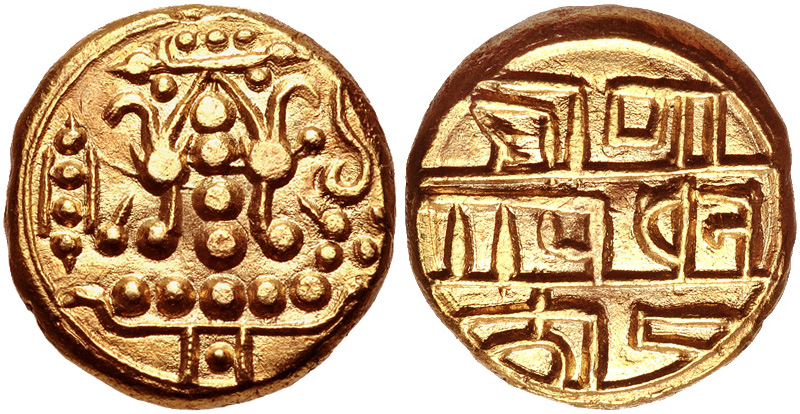
The Alupas, as a feudatory of the Western Chalukyas in coastal Karnataka, issued coins with Kannada and Nagari inscriptions on them. Coins with Kannada legends seem to have been minted in Mangalorem and those with Nagari legends at the Udupi mint. Kannada was their language of administration. The Pagodas and Fanams were the common coinage of all the Alupa kings. The obverse of the coins carried the royal emblem "Two Fishes" and the reverse had the legend "Sri Pandya Dhanamjaya" either in Nagari or old (Hale) Kannada.
Historian P. Gururaja Bhat states that the Alupa royal family were possibly of local origin who were followers of Jainism and are identified as Jain bunts Whereas, B. A. Saletore mentions that the title Alupa (Alva) survives till this day in the Bunt community While Alva's were originally Jains, Some sections later adopted Hinduism though title continues to be used.Alupa royal family recorded to have maintained matrimonial alliances with The Santara dynasty and are both adherents of Jainism.
The rule over Uttara Kannada region, with Banavasi as its capital was by Chutu clan followed by the Shatavahana branch which governed for Siri, Siva, Pulumavi and Yajna Satakarnis, prior to the Kadambas. With the Kadambas rule from Banavasi, Karnataka saw developments in the field of art and culture. Land of Karnataka saw more and more epigraphs that recorded the activities of the past, mostly erected in the temple premises. The first clear mention of Alupas comes from the Halmidi inscription of 450 CE where their possible early ruler Pashupathi of Alapa (Alupa) gana is mentioned. Pashupathi was the contemporary of the Kadambas. Hence for historical record, we can safely assume that the dynastic formation of Alupas took place around 5th century CE. Their royal emblem was the double fish and they claimed to belong to the Pandyavamsha and Soma Kula (lunar dynasty).
Hub AI
Alupa dynasty AI simulator
(@Alupa dynasty_simulator)
Alupa dynasty
The Alupa dynasty was an Indian dynasty that ruled from 200 to 1444 A.D. in Southern India. They were local feudatories at different times under major dynasties such as the Kadambas, Chalukyas, Rashtrakutas and later Vijaynagara The kingdom they ruled was known as Alvakheda Arusasira, and its territory spanned the coastal districts of the modern Indian state known as Karnataka, including Kasaragod district of present-day Kerala.The Alupas played a significant role in the political, cultural, and religious history of coastal Karnataka.
The name of the dynasty is variously recorded in inscriptions as Alupa, Aluva, Alva, Aluka, and Alapa. The origin of Alupas prior to the Kadambas is unclear, as there is no epigraphical evidence. Ptolemy, the 2nd-century geographer, identifies the Alvakheda as Olokhoira, which is widely believed to be a corruption of the term Alva Kheda, 'the land of the Alvas.
In the Tulu language, ಆಳ್ಪು (Alup) means 'to rule', ಆಳ್ಪುನು (Alupunu) means 'ruling', ಆಳುಪೆ / ಆಳ್ಪೆ / ಆಳ್ಪುನಾಯೆ (Alupe) means 'ruler' (one who rules). According to B. A. Saletore, the name Alupa may be derived from its variant Aluka, which is an epithet of the divine serpent Shesha of Hindu epics. Fleet has suggested that the name Aluka could denote the Nāga Because it represent Jain Yakshini Padamavti the yakshini of Parshwanatha, who in early times were included in Chalukya dominions. Saletore further adds that the Naga or Jain origin of the Alupas is proved by two facts. The figure of a hooded serpent, which is found in an effaced Alupa stone inscription around Mangalore, Saletore dismisses the idea regarding the Dravidian origin of the name from the Kannada word Alunu, meaning 'to rule' or 'govern'.
The Alupas in their prime were an independent dynasty, centuries after reigning due to the dominance of Kadambas from Banavasi, they became feudatories to them. Later, they became the vassals of the Chalukyas, Rashtrakutas, and Hoysalas with the change in the political scenario of Southern India. Their influence over coastal Karnataka lasted for about 1200 years. There is evidence that the Alupas followed the law of matrilineal inheritance (Appekatt/Aliyasantana) since the Alupa king Soyideva was succeeded by his nephew Kulasekhara Bankideva (son of Alupa princess Krishnayitayi and Hoysala Veera Ballala III). The legendary king who is credited with introducing matrilineality in South Canara Kheda is named Bhuta Alupa Pandya, The last Alupa king to have ruled is Kulasekharadeva Alupendradeva, whose inscription dated 1444 CE has been found in Mudabidri Jain Basadi.
The history of the clan emerges from obscurity during the rise of Badami Chalukya in the Aihole and Mahakuta inscriptions, which claim the Alupas had accepted Chalukya overlordship and had become their feudatory. They ruled initially from Mangalore and at other times from Udyavara in Udupi and later from Barkur. Their first regular full-length inscription, the Vaddarase inscription in Kannada, is dated to the early 7th century. They maintained marital relations with their overlords over the centuries.
The Alupas, as a feudatory of the Western Chalukyas in coastal Karnataka, issued coins with Kannada and Nagari inscriptions on them. Coins with Kannada legends seem to have been minted in Mangalorem and those with Nagari legends at the Udupi mint. Kannada was their language of administration. The Pagodas and Fanams were the common coinage of all the Alupa kings. The obverse of the coins carried the royal emblem "Two Fishes" and the reverse had the legend "Sri Pandya Dhanamjaya" either in Nagari or old (Hale) Kannada.
Historian P. Gururaja Bhat states that the Alupa royal family were possibly of local origin who were followers of Jainism and are identified as Jain bunts Whereas, B. A. Saletore mentions that the title Alupa (Alva) survives till this day in the Bunt community While Alva's were originally Jains, Some sections later adopted Hinduism though title continues to be used.Alupa royal family recorded to have maintained matrimonial alliances with The Santara dynasty and are both adherents of Jainism.
The rule over Uttara Kannada region, with Banavasi as its capital was by Chutu clan followed by the Shatavahana branch which governed for Siri, Siva, Pulumavi and Yajna Satakarnis, prior to the Kadambas. With the Kadambas rule from Banavasi, Karnataka saw developments in the field of art and culture. Land of Karnataka saw more and more epigraphs that recorded the activities of the past, mostly erected in the temple premises. The first clear mention of Alupas comes from the Halmidi inscription of 450 CE where their possible early ruler Pashupathi of Alapa (Alupa) gana is mentioned. Pashupathi was the contemporary of the Kadambas. Hence for historical record, we can safely assume that the dynastic formation of Alupas took place around 5th century CE. Their royal emblem was the double fish and they claimed to belong to the Pandyavamsha and Soma Kula (lunar dynasty).