
Recent from talks
Anton Bruckner
Knowledge base stats:
Talk channels stats:
Members stats:
Anton Bruckner
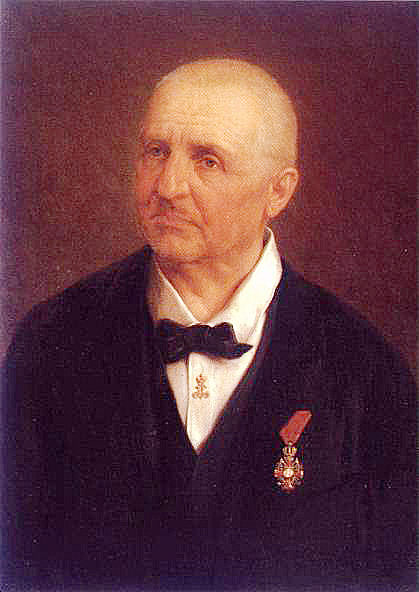
Joseph Anton Bruckner (/ˈbrʊknər/; German: [ˈantoːn ˈbʁʊknɐ] ⓘ; 4 September 1824 – 11 October 1896) was an Austrian composer and organist best known for his symphonies and sacred music, which includes Masses, Te Deum and motets. The symphonies are considered emblematic of the final stage of Austro-German Romanticism because of their rich harmonic language, strongly polyphonic character, and considerable length. Bruckner's compositions helped to define contemporary musical radicalism, owing to their dissonances, unprepared modulations, and roving harmonies.
Unlike other musical radicals such as Richard Wagner and Hugo Wolf, Bruckner showed respect, even humility, before other famous musicians, Wagner in particular. This apparent dichotomy between Bruckner the man and Bruckner the composer hampers efforts to describe his life in a way that gives a straightforward context for his music. The German conductor Hans von Bülow described him as "half genius, half simpleton". Bruckner was critical of his own work and often reworked his compositions. There are several versions of many of his works.
His works, the symphonies in particular, had detractors, most notably the influential Austrian critic Eduard Hanslick and other supporters of the German composer Johannes Brahms, who pointed to their large size and use of repetition, as well as to Bruckner's propensity for revising many of his works, often with the assistance of colleagues, and his apparent indecision about which versions he preferred. On the other hand, Bruckner was greatly admired by subsequent composers, including his friend Gustav Mahler.
Anton Bruckner was born in Ansfelden (then a village, now almost a suburb of Linz) on 4 September 1824. The ancestors of Bruckner's family were farmers and craftsmen; their history can be traced as far back as the 16th century. They lived near a bridge south of Sindelburg, which led to their being called "Bruckhner an der Bruckhen" (bridgers on the bridge). Bruckner's grandfather was appointed schoolmaster in Ansfelden in 1776; this position was inherited by Bruckner's father, Anton Bruckner Sr., in 1823. It was a poorly paid but well-respected position in the rural environment. Bruckner Sr. married Theresia Helm, and they had eleven children, Anton Bruckner being the eldest.
Music was part of the school curriculum, and Bruckner's father was his first music teacher. Bruckner learned to play the organ as a child. He was very dedicated to the instrument just as he was later in life in composing, often practising for 12 hours a day. He entered school when he was six, proved to be a hard-working student, and was promoted to upper class early. While studying, Bruckner also helped his father in teaching the other children. After Bruckner received his confirmation in 1833, Bruckner's father sent him to another school in Hörsching. The schoolmaster, Johann Baptist Weiß, was a music enthusiast and respected organist. Here, Bruckner completed his school education and refined his skills as an organist. Around 1835 Bruckner wrote his first composition, a Pange lingua – one of the compositions which he revised at the end of his life. When his father became ill, Anton returned to Ansfelden to help him in his work.
Bruckner's father died in 1837, when Bruckner was 13 years old. The teacher's position and house were given to a successor, and Bruckner was sent to the Augustinian monastery in Sankt Florian to become a choirboy. In addition to choir practice, his education included violin and organ lessons. Bruckner was in awe of the monastery's great organ, which was built during the late baroque era and rebuilt in 1837, and he sometimes played it during church services. From October 1840 to July 1841, Bruckner undertook further training at the teacher-training school in Linz. His teacher of harmony and choral singing was August Durrnberger, who became a friend and would later persuade Bruckner to take up the role of a cathedral organist.
After completing the seminar with an excellent grade, Bruckner was sent as an assistant teacher to a school in Windhaag. The living standards and pay were appalling and Bruckner was constantly humiliated by his superior, teacher Franz Fuchs. Despite the difficult situation, Bruckner never complained or rebelled; a belief in his own inferiority was to remain one of Bruckner's main personal traits during his whole life. He stayed at Windhaag from age 17 to 19, teaching general subjects.
Prelate Michael Arneth noticed Bruckner's bad situation in Windhaag and awarded him an assistant teacher position in the vicinity of the monastic town of Sankt Florian, sending him to Kronstorf an der Enns for two years. Here he would be able to have more of a part in musical activity. The time in Kronstorf was a much happier one for Bruckner. Between 1843 and 1845, Bruckner was the pupil of Leopold von Zenetti in Enns. Compared to the few works he wrote in Windhaag, the Kronstorf compositions from 1843 to 1845 show a significantly improved artistic ability, and finally the beginnings of what could be called "the Bruckner style". Among the Kronstorf works is the vocal piece Asperges me (WAB 4), which the young assistant teacher, out of line given his position, signed with "Anton Bruckner m.p.ria. Comp[onist]". This has been interpreted as a lone early sign of Bruckner's artistic ambitions. Otherwise, little is known of Bruckner's life plans and intentions.
Hub AI
Anton Bruckner AI simulator
(@Anton Bruckner_simulator)
Anton Bruckner
Joseph Anton Bruckner (/ˈbrʊknər/; German: [ˈantoːn ˈbʁʊknɐ] ⓘ; 4 September 1824 – 11 October 1896) was an Austrian composer and organist best known for his symphonies and sacred music, which includes Masses, Te Deum and motets. The symphonies are considered emblematic of the final stage of Austro-German Romanticism because of their rich harmonic language, strongly polyphonic character, and considerable length. Bruckner's compositions helped to define contemporary musical radicalism, owing to their dissonances, unprepared modulations, and roving harmonies.
Unlike other musical radicals such as Richard Wagner and Hugo Wolf, Bruckner showed respect, even humility, before other famous musicians, Wagner in particular. This apparent dichotomy between Bruckner the man and Bruckner the composer hampers efforts to describe his life in a way that gives a straightforward context for his music. The German conductor Hans von Bülow described him as "half genius, half simpleton". Bruckner was critical of his own work and often reworked his compositions. There are several versions of many of his works.
His works, the symphonies in particular, had detractors, most notably the influential Austrian critic Eduard Hanslick and other supporters of the German composer Johannes Brahms, who pointed to their large size and use of repetition, as well as to Bruckner's propensity for revising many of his works, often with the assistance of colleagues, and his apparent indecision about which versions he preferred. On the other hand, Bruckner was greatly admired by subsequent composers, including his friend Gustav Mahler.
Anton Bruckner was born in Ansfelden (then a village, now almost a suburb of Linz) on 4 September 1824. The ancestors of Bruckner's family were farmers and craftsmen; their history can be traced as far back as the 16th century. They lived near a bridge south of Sindelburg, which led to their being called "Bruckhner an der Bruckhen" (bridgers on the bridge). Bruckner's grandfather was appointed schoolmaster in Ansfelden in 1776; this position was inherited by Bruckner's father, Anton Bruckner Sr., in 1823. It was a poorly paid but well-respected position in the rural environment. Bruckner Sr. married Theresia Helm, and they had eleven children, Anton Bruckner being the eldest.
Music was part of the school curriculum, and Bruckner's father was his first music teacher. Bruckner learned to play the organ as a child. He was very dedicated to the instrument just as he was later in life in composing, often practising for 12 hours a day. He entered school when he was six, proved to be a hard-working student, and was promoted to upper class early. While studying, Bruckner also helped his father in teaching the other children. After Bruckner received his confirmation in 1833, Bruckner's father sent him to another school in Hörsching. The schoolmaster, Johann Baptist Weiß, was a music enthusiast and respected organist. Here, Bruckner completed his school education and refined his skills as an organist. Around 1835 Bruckner wrote his first composition, a Pange lingua – one of the compositions which he revised at the end of his life. When his father became ill, Anton returned to Ansfelden to help him in his work.
Bruckner's father died in 1837, when Bruckner was 13 years old. The teacher's position and house were given to a successor, and Bruckner was sent to the Augustinian monastery in Sankt Florian to become a choirboy. In addition to choir practice, his education included violin and organ lessons. Bruckner was in awe of the monastery's great organ, which was built during the late baroque era and rebuilt in 1837, and he sometimes played it during church services. From October 1840 to July 1841, Bruckner undertook further training at the teacher-training school in Linz. His teacher of harmony and choral singing was August Durrnberger, who became a friend and would later persuade Bruckner to take up the role of a cathedral organist.
After completing the seminar with an excellent grade, Bruckner was sent as an assistant teacher to a school in Windhaag. The living standards and pay were appalling and Bruckner was constantly humiliated by his superior, teacher Franz Fuchs. Despite the difficult situation, Bruckner never complained or rebelled; a belief in his own inferiority was to remain one of Bruckner's main personal traits during his whole life. He stayed at Windhaag from age 17 to 19, teaching general subjects.
Prelate Michael Arneth noticed Bruckner's bad situation in Windhaag and awarded him an assistant teacher position in the vicinity of the monastic town of Sankt Florian, sending him to Kronstorf an der Enns for two years. Here he would be able to have more of a part in musical activity. The time in Kronstorf was a much happier one for Bruckner. Between 1843 and 1845, Bruckner was the pupil of Leopold von Zenetti in Enns. Compared to the few works he wrote in Windhaag, the Kronstorf compositions from 1843 to 1845 show a significantly improved artistic ability, and finally the beginnings of what could be called "the Bruckner style". Among the Kronstorf works is the vocal piece Asperges me (WAB 4), which the young assistant teacher, out of line given his position, signed with "Anton Bruckner m.p.ria. Comp[onist]". This has been interpreted as a lone early sign of Bruckner's artistic ambitions. Otherwise, little is known of Bruckner's life plans and intentions.
Recent media