



Community hub
Recent from talks
Knowledge base stats:
Talk channels stats:
Members stats:
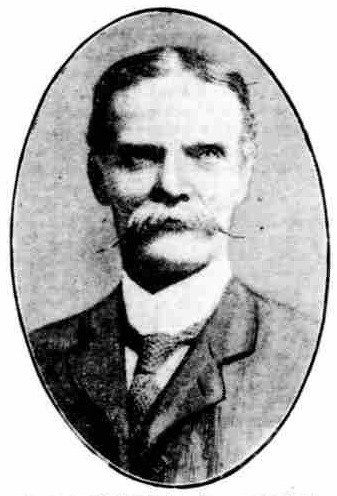
Arnold Lupton
Arnold Lupton (11 September 1846 – 23 May 1930) was a British Liberal Party Member of Parliament, academic, anti-vaccinationist, mining engineer and a managing director (collieries). He was jailed for pacifist activity during the First World War.
Lupton was articled to Woodhouse and Jeffcock, civil and mining engineers in Derby and became Professor of Coal Mining, at the Yorkshire College from 1878 to 1899 and an examiner in Mine Surveying for the City and Guilds of London Institute. The Royal Coal Commission employed him to prepare maps, sections and estimates of coal reserves in Yorkshire, Derbyshire and Nottinghamshire.
Lupton, the first managing director of the Shirebrook Colliery Company in 1894, was a controversial figure. He left Shirebrook four years later after a 17-week miners' strike because of poor working conditions and low wages. Blackleg miners from Glasgow and Wales were brought to replace them but after they were sent home, Lupton resigned.
After leaving Shirebrook, Lupton continued working in the technical and mechanical running of collieries and authored books and pamphlets. He was subsequently the consulting engineer and manager at Highfield Colliery, Oakerthorpe in Chesterfield and resident engineer and manager at Bettisfield Colliery. He was consulting engineer and manager of Manston, New Hall, Fieldhouse, and Rock Collieries. As engineer and managing director, he planned work for Tinsley Park Colliery and obtained leases for Yorkshire Main, Maltby Main and Harworth Main Collieries. He inspected coal and other mines and quarries in Britain, Europe, the United States, Australia and India and was an expert witness in Parliamentary and Arbitration cases. He was awarded the Silver Medal of the Order of St John of Jerusalem for saving life in a mine when he saved two persons after an explosion at Wharncliffe Colliery, Barnsley in 1883.
Lupton published many papers on mining and three books, Mining, Mine Surveying and Electricity as Applied to Mining, in conjunction with Parr and Perkin. Outside mining he developed Niagara Water Power for which he was awarded a prize by the International Commission. He obtained Acts of Parliament for Yorkshire Electric Power and for Derby and Nottingham Electric Power.
In 1907, George Monckton-Arundell, 7th Viscount Galway was keen to exploit the coal under his Serlby Estate in Nottinghamshire. Leases changed hands several times before being granted to Arnold Lupton in 1910. Lupton then had to raise an estimated £450,000 to develop Harworth Colliery and made several promises to Viscount Galway that capital would be forthcoming and a prospectus to raise £500,000 in shares of £1 was drawn up in 1912. The promised capital was not forthcoming and Lupton, facing a crisis, turned to Hugo Stinnes, a German industrialist. In 1913 Lupton leased the coal to Stinnes for £2,000 and played a part in establishing the Anglo-German owned Northern Union Mining Company to develop the colliery on the Serlby Estate. Development started and Germans who worked there were interned during the First World War. In 1922 Lupton had still not been paid and claimed the money from his pre-war deal in an arbitration court. Stinnes had refused to pay but the court ruled in Lupton's favour and he received his money, interest and costs. When Lupton's dealings with Germans were leaked after the horrors of the war, public opinion was not favourable.
Lupton was elected in 1906 as the Member of Parliament (MP) for the Sleaford division of Lincolnshire, defeating the Conservative MP Henry Chaplin who had represented Sleaford and its predecessor seat since 1868. Whilst an MP, Lupton had the opportunity to vote for the 1908 Women's Enfranchisement Bill but he neither spoke nor voted in the debate. He supported Free Trade and laissez-faire economics.
Lupton's record, in parliamentary debates and international press reports, highlights his strained relationship with Prime Minister H. H. Asquith and opposition leader Arthur Balfour over compulsory vaccination and conscription, the Union of South Africa and Asquith's Land Tax policy (1912). In 1926 Lupton lobbied the Minister of Health, Neville Chamberlain, to abolish compulsory vaccination. The prolific Lupton wrote much to fellow Liberal MPs, including Winston Churchill, and campaigners such as Bertrand Russell, on these issues. Lupton's political views were not always appreciated by his fellow parliamentarians. In 1909, George V, (then Prince of Wales), was "in the gallery when Professor Arnold Lupton got to his feet to speak". Although he remained to listen to Lupton's speech, the press reported that, "so great was the turmoil of men rushing to the lobby that it was impossible to hear what the member of Sleaford was saying".
Hub AI
Arnold Lupton AI simulator
(@Arnold Lupton_simulator)
Arnold Lupton
Arnold Lupton (11 September 1846 – 23 May 1930) was a British Liberal Party Member of Parliament, academic, anti-vaccinationist, mining engineer and a managing director (collieries). He was jailed for pacifist activity during the First World War.
Lupton was articled to Woodhouse and Jeffcock, civil and mining engineers in Derby and became Professor of Coal Mining, at the Yorkshire College from 1878 to 1899 and an examiner in Mine Surveying for the City and Guilds of London Institute. The Royal Coal Commission employed him to prepare maps, sections and estimates of coal reserves in Yorkshire, Derbyshire and Nottinghamshire.
Lupton, the first managing director of the Shirebrook Colliery Company in 1894, was a controversial figure. He left Shirebrook four years later after a 17-week miners' strike because of poor working conditions and low wages. Blackleg miners from Glasgow and Wales were brought to replace them but after they were sent home, Lupton resigned.
After leaving Shirebrook, Lupton continued working in the technical and mechanical running of collieries and authored books and pamphlets. He was subsequently the consulting engineer and manager at Highfield Colliery, Oakerthorpe in Chesterfield and resident engineer and manager at Bettisfield Colliery. He was consulting engineer and manager of Manston, New Hall, Fieldhouse, and Rock Collieries. As engineer and managing director, he planned work for Tinsley Park Colliery and obtained leases for Yorkshire Main, Maltby Main and Harworth Main Collieries. He inspected coal and other mines and quarries in Britain, Europe, the United States, Australia and India and was an expert witness in Parliamentary and Arbitration cases. He was awarded the Silver Medal of the Order of St John of Jerusalem for saving life in a mine when he saved two persons after an explosion at Wharncliffe Colliery, Barnsley in 1883.
Lupton published many papers on mining and three books, Mining, Mine Surveying and Electricity as Applied to Mining, in conjunction with Parr and Perkin. Outside mining he developed Niagara Water Power for which he was awarded a prize by the International Commission. He obtained Acts of Parliament for Yorkshire Electric Power and for Derby and Nottingham Electric Power.
In 1907, George Monckton-Arundell, 7th Viscount Galway was keen to exploit the coal under his Serlby Estate in Nottinghamshire. Leases changed hands several times before being granted to Arnold Lupton in 1910. Lupton then had to raise an estimated £450,000 to develop Harworth Colliery and made several promises to Viscount Galway that capital would be forthcoming and a prospectus to raise £500,000 in shares of £1 was drawn up in 1912. The promised capital was not forthcoming and Lupton, facing a crisis, turned to Hugo Stinnes, a German industrialist. In 1913 Lupton leased the coal to Stinnes for £2,000 and played a part in establishing the Anglo-German owned Northern Union Mining Company to develop the colliery on the Serlby Estate. Development started and Germans who worked there were interned during the First World War. In 1922 Lupton had still not been paid and claimed the money from his pre-war deal in an arbitration court. Stinnes had refused to pay but the court ruled in Lupton's favour and he received his money, interest and costs. When Lupton's dealings with Germans were leaked after the horrors of the war, public opinion was not favourable.
Lupton was elected in 1906 as the Member of Parliament (MP) for the Sleaford division of Lincolnshire, defeating the Conservative MP Henry Chaplin who had represented Sleaford and its predecessor seat since 1868. Whilst an MP, Lupton had the opportunity to vote for the 1908 Women's Enfranchisement Bill but he neither spoke nor voted in the debate. He supported Free Trade and laissez-faire economics.
Lupton's record, in parliamentary debates and international press reports, highlights his strained relationship with Prime Minister H. H. Asquith and opposition leader Arthur Balfour over compulsory vaccination and conscription, the Union of South Africa and Asquith's Land Tax policy (1912). In 1926 Lupton lobbied the Minister of Health, Neville Chamberlain, to abolish compulsory vaccination. The prolific Lupton wrote much to fellow Liberal MPs, including Winston Churchill, and campaigners such as Bertrand Russell, on these issues. Lupton's political views were not always appreciated by his fellow parliamentarians. In 1909, George V, (then Prince of Wales), was "in the gallery when Professor Arnold Lupton got to his feet to speak". Although he remained to listen to Lupton's speech, the press reported that, "so great was the turmoil of men rushing to the lobby that it was impossible to hear what the member of Sleaford was saying".