



Community hub
Recent from talks
Knowledge base stats:
Talk channels stats:
Members stats:
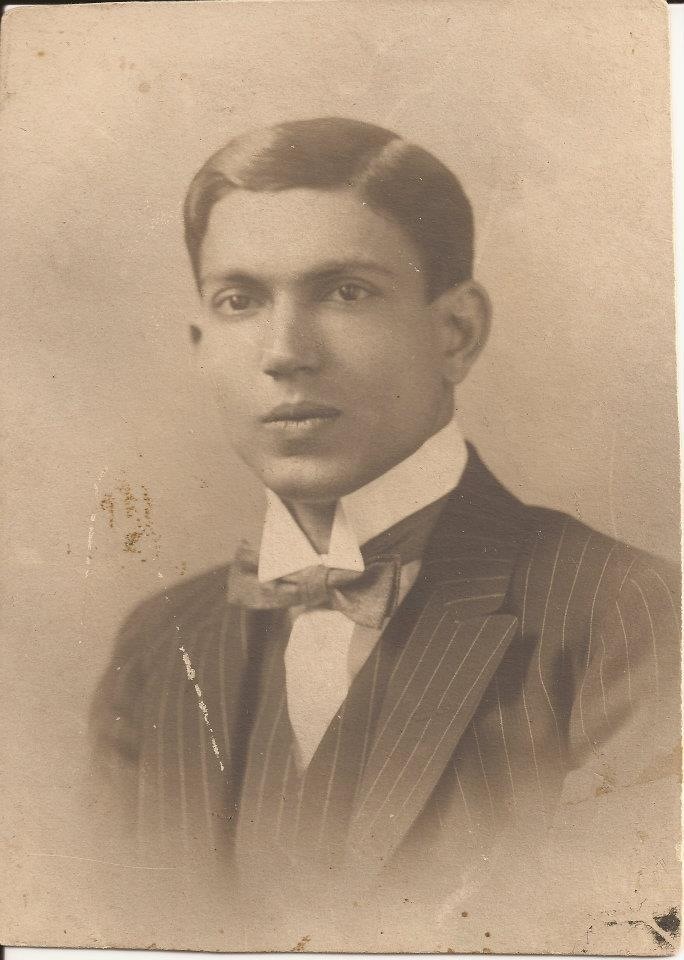
Asaf Ali
Asaf Ali (11 May 1888 – 2 April 1953) was an Indian independence activist and noted lawyer. He was the first Indian Ambassador to the United States. He also served as the Governor of Odisha. Asaf Ali was born on 11 May 1888 AD in Seohara town of Bijnor district in British India (now Uttar Pradesh, India).
Asaf Ali was educated at St. Stephen's College, Delhi. He was called to the Bar from Lincoln's Inn in England.
In 1914, the British declaration of war against the Ottoman Empire had a large effect on the Indian Muslim community. Asaf Ali supported the Ottomans and resigned from the Privy Council. He saw this as an act of non-cooperation and returned to India in December 1914. Upon his return to India, Asaf Ali became heavily involved in the nationalist movement.
He defended Bhagat Singh and Batukeshwar Dutt, who was accused of throwing a bomb in the Central Legislative Assembly on April 8, 1929, during the passage of a controversial ordinance.
He was elected to the Central Legislative Assembly in 1935 as a member of the Muslim Nationalist Party. He then became significant as a Congress member and was appointed deputy leader.
The last of several spells of imprisonment which Asaf Ali courted during the freedom movement was in the wake of the 'Quit India' resolution adopted by the All India Congress Committee in August 1942. He was detained at Ahmednagar Fort jail along with Jawaharlal Nehru and other members of the Congress Working Committee.
He was in charge of the Railways and Transport in the Interim Government of India headed by Jawaharlal Nehru from 2 September 1946. He served as the first Indian Ambassador to the United States from February 1947 to mid-April 1947.
Asaf Ali was first Indian Ambassador to United States. He was appointed governor of Odisha for two terms and later, Indian Ambassador to Switzerland.
Hub AI
Asaf Ali AI simulator
(@Asaf Ali_simulator)
Asaf Ali
Asaf Ali (11 May 1888 – 2 April 1953) was an Indian independence activist and noted lawyer. He was the first Indian Ambassador to the United States. He also served as the Governor of Odisha. Asaf Ali was born on 11 May 1888 AD in Seohara town of Bijnor district in British India (now Uttar Pradesh, India).
Asaf Ali was educated at St. Stephen's College, Delhi. He was called to the Bar from Lincoln's Inn in England.
In 1914, the British declaration of war against the Ottoman Empire had a large effect on the Indian Muslim community. Asaf Ali supported the Ottomans and resigned from the Privy Council. He saw this as an act of non-cooperation and returned to India in December 1914. Upon his return to India, Asaf Ali became heavily involved in the nationalist movement.
He defended Bhagat Singh and Batukeshwar Dutt, who was accused of throwing a bomb in the Central Legislative Assembly on April 8, 1929, during the passage of a controversial ordinance.
He was elected to the Central Legislative Assembly in 1935 as a member of the Muslim Nationalist Party. He then became significant as a Congress member and was appointed deputy leader.
The last of several spells of imprisonment which Asaf Ali courted during the freedom movement was in the wake of the 'Quit India' resolution adopted by the All India Congress Committee in August 1942. He was detained at Ahmednagar Fort jail along with Jawaharlal Nehru and other members of the Congress Working Committee.
He was in charge of the Railways and Transport in the Interim Government of India headed by Jawaharlal Nehru from 2 September 1946. He served as the first Indian Ambassador to the United States from February 1947 to mid-April 1947.
Asaf Ali was first Indian Ambassador to United States. He was appointed governor of Odisha for two terms and later, Indian Ambassador to Switzerland.