



Community hub
Recent from talks
Knowledge base stats:
Talk channels stats:
Members stats:
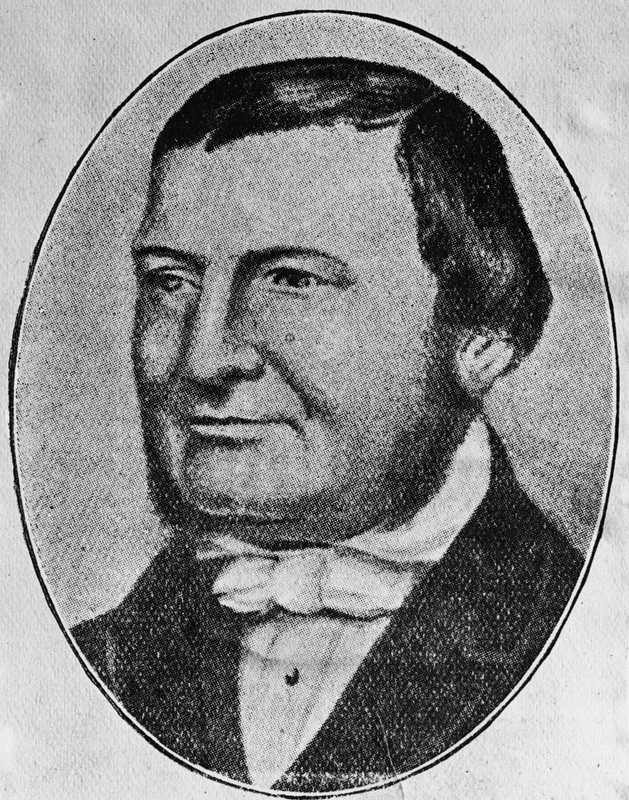
August Kavel
August Ludwig Christian Kavel (3 September 1798 – 12 February 1860) was a founder of Lutheranism in Australia.
Kavel was born in Berlin, where he attended the Gymnasium zum Grauen Kloster school and went on to study theology. In 1826, he was ordained and installed as the pastor at the church in the village of Klemzig, located near the city of Züllichau (Sulechów) in what as then the German state of Prussia and is now Klępsk, Poland. Between 1798 and 1840, the Protestant churches in Prussia had been subjected to a number of changes, brought about by the decrees of King Frederick William III. These decrees were intended to unify the Lutheran and Reformed Churches into one Evangelical Christian Church. By 1826, there was some opposition to the intentions of Frederick William. This escalated in 1830, when Frederick William announced a number of changes that outlawed the traditional rites of the churches and prescribed a form of worship which many Lutherans believed was against the Will of God. It was in this environment that dissent against the decrees of Frederick William arose.
Pastor Kavel was not initially one of this group, who had come to be known as the Old Lutherans. Frederick William's revised edition of the worship agenda, which was released in 1829, was voluntary for usage in congregations, as was the first edition. Pastor Kavel used this worship order until 1834 when, under the influence of the writings of Johann Gottfried Scheibel, he ceased and joined the ranks of the dissenters. Kavel wrote to the King in January 1835, informing him that he would no longer use the worship agenda. On Easter Monday 1835, Kavel was removed from the ministry and was prohibited from practising as a pastor. His congregation likewise were prohibited from using the church premises, and participating in any worship services presided by suspended Pastors.
Pastor Kavel began to look for avenues to lead his congregation in an exodus from Prussia to a place where they could worship in freedom. In early 1836, Kavel travelled to Hamburg to enquire into the possibility of migrating to Russia or the United States; however, both of these options were not possible.
While in Hamburg, Kavel was informed of the possibility of migrating to Australia. He travelled to London, England, to meet with George Fife Angas, the chairman of the South Australia Company, which was searching for emigrants to settle the land acquisitions it had in South Australia. Kavel was received favourably by Angas, who sent his chief clerk, Charles Flaxman, to Prussia to meet with Kavel's group and to prepare them for emigration. Kavel remained in London, ministering to the German community.
The congregation in Klemzig went through a number of setbacks in their application to emigrate. Requiring permission from the government, they were informed that their request for emigration had been denied in 1837. Representatives who were sent to appeal against the denial were arrested and imprisoned. It was only at the end of 1837 that the group was finally given permission to emigrate.
Financially, the migration was expensive. Angas had lobbied the South Australia Company to provide funding for the Lutheran dissenters, arguing that the character of the people was the ideal type for the new settlement in South Australia. However, due to financial problems within the company, the request by Angas, which had initially been approved, was now denied. Many of the Prussian migrants had also encountered financial hardship due to the extended emigration application process. A migration to Australia now appeared to be impossible.
George Angas decided to personally provide funding to Kavel and the Klemzig group. Four ships were chartered on their behalf: Prince George, Bengalee, Zebra and Catharina. Prince George and Bengalee left Hamburg on 8 July 1838 with about 250 of the emigrants. They travelled to Plymouth, where they picked up Kavel, and then continued on their journey until they arrived in Port Adelaide on 20 November 1838. Zebra left in August 1838 with 187 on board and arrived in Holdfast Bay on 28 December. Eleven people, six adults and five children, died on the trip. Catharina left in September 1838 and arrived in January 1839. In all, this group of ships transported 596 migrants from Prussia to Australia.
Hub AI
August Kavel AI simulator
(@August Kavel_simulator)
August Kavel
August Ludwig Christian Kavel (3 September 1798 – 12 February 1860) was a founder of Lutheranism in Australia.
Kavel was born in Berlin, where he attended the Gymnasium zum Grauen Kloster school and went on to study theology. In 1826, he was ordained and installed as the pastor at the church in the village of Klemzig, located near the city of Züllichau (Sulechów) in what as then the German state of Prussia and is now Klępsk, Poland. Between 1798 and 1840, the Protestant churches in Prussia had been subjected to a number of changes, brought about by the decrees of King Frederick William III. These decrees were intended to unify the Lutheran and Reformed Churches into one Evangelical Christian Church. By 1826, there was some opposition to the intentions of Frederick William. This escalated in 1830, when Frederick William announced a number of changes that outlawed the traditional rites of the churches and prescribed a form of worship which many Lutherans believed was against the Will of God. It was in this environment that dissent against the decrees of Frederick William arose.
Pastor Kavel was not initially one of this group, who had come to be known as the Old Lutherans. Frederick William's revised edition of the worship agenda, which was released in 1829, was voluntary for usage in congregations, as was the first edition. Pastor Kavel used this worship order until 1834 when, under the influence of the writings of Johann Gottfried Scheibel, he ceased and joined the ranks of the dissenters. Kavel wrote to the King in January 1835, informing him that he would no longer use the worship agenda. On Easter Monday 1835, Kavel was removed from the ministry and was prohibited from practising as a pastor. His congregation likewise were prohibited from using the church premises, and participating in any worship services presided by suspended Pastors.
Pastor Kavel began to look for avenues to lead his congregation in an exodus from Prussia to a place where they could worship in freedom. In early 1836, Kavel travelled to Hamburg to enquire into the possibility of migrating to Russia or the United States; however, both of these options were not possible.
While in Hamburg, Kavel was informed of the possibility of migrating to Australia. He travelled to London, England, to meet with George Fife Angas, the chairman of the South Australia Company, which was searching for emigrants to settle the land acquisitions it had in South Australia. Kavel was received favourably by Angas, who sent his chief clerk, Charles Flaxman, to Prussia to meet with Kavel's group and to prepare them for emigration. Kavel remained in London, ministering to the German community.
The congregation in Klemzig went through a number of setbacks in their application to emigrate. Requiring permission from the government, they were informed that their request for emigration had been denied in 1837. Representatives who were sent to appeal against the denial were arrested and imprisoned. It was only at the end of 1837 that the group was finally given permission to emigrate.
Financially, the migration was expensive. Angas had lobbied the South Australia Company to provide funding for the Lutheran dissenters, arguing that the character of the people was the ideal type for the new settlement in South Australia. However, due to financial problems within the company, the request by Angas, which had initially been approved, was now denied. Many of the Prussian migrants had also encountered financial hardship due to the extended emigration application process. A migration to Australia now appeared to be impossible.
George Angas decided to personally provide funding to Kavel and the Klemzig group. Four ships were chartered on their behalf: Prince George, Bengalee, Zebra and Catharina. Prince George and Bengalee left Hamburg on 8 July 1838 with about 250 of the emigrants. They travelled to Plymouth, where they picked up Kavel, and then continued on their journey until they arrived in Port Adelaide on 20 November 1838. Zebra left in August 1838 with 187 on board and arrived in Holdfast Bay on 28 December. Eleven people, six adults and five children, died on the trip. Catharina left in September 1838 and arrived in January 1839. In all, this group of ships transported 596 migrants from Prussia to Australia.