
Recent from talks
Augustus Owsley Stanley
Knowledge base stats:
Talk channels stats:
Members stats:
Augustus Owsley Stanley
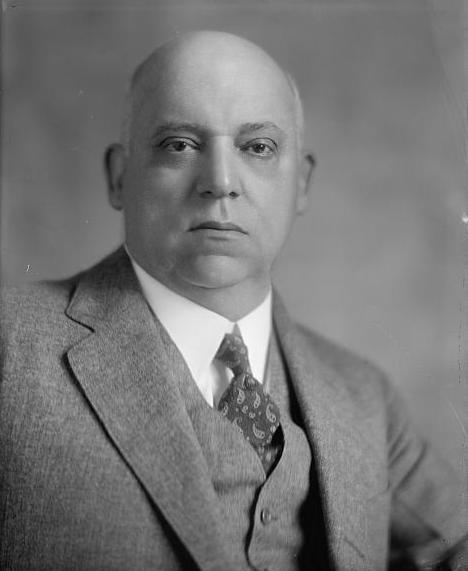
Augustus Owsley Stanley I (May 21, 1867 – August 12, 1958) was an American politician from Kentucky. A member of the Democratic Party, he served as the 38th governor of Kentucky and also represented the state in both the U.S. House of Representatives and the U.S. Senate. From 1903 to 1915, Stanley represented Kentucky's 2nd congressional district in the House of Representatives, where he gained a reputation as a progressive reformer. Beginning in 1904, he called for an antitrust investigation of the American Tobacco Company, claiming they were a monopsony that drove down prices for the tobacco farmers of his district. As a result of his investigation, the Supreme Court of the United States ordered the breakup of the American Tobacco Company in 1911. Stanley also chaired a committee that conducted an antitrust investigation of U.S. Steel, which brought him national acclaim. Many of his ideas were incorporated into the Clayton Antitrust Act.
During an unsuccessful senatorial bid in 1914, Stanley assumed an anti-prohibition stance. This issue would dominate his political career for more than a decade and put him at odds with J. C. W. Beckham, the leader of the pro-temperance faction of the state's Democratic Party. In 1915, Stanley ran for governor, defeating his close friend Edwin P. Morrow by just over 400 votes in the closest gubernatorial race in the state's history. Historian Lowell H. Harrison called Stanley's administration the apex of the Progressive Era in Kentucky. Among the reforms adopted during his tenure were a state antitrust law, a campaign finance reform law, and several labor laws. In 1918, Stanley was chosen as the Democratic nominee to succeed the recently deceased senator Ollie M. James. Stanley was elected, but did not resign as governor to take the seat until May 1919 and accomplished little in his single term. He lost his re-election bid to Frederic M. Sackett in the 1924 Republican landslide and never again held elected office. He died in Washington, D.C., on August 12, 1958.
Augustus Owsley Stanley was born in Shelbyville, Kentucky, on May 21, 1867; he was the eldest of seven children of William and Amanda (Owsley) Stanley. His father was a minister of the Disciples of Christ and served as a judge advocate on the staff of Joseph E. Johnston in the Confederate Army. His mother was the niece of former Kentucky governor William Owsley. He attended Gordon Academy in Nicholasville, Kentucky, and the Kentucky Agricultural and Mechanical College (later the University of Kentucky) before graduating with an A.B. from Centre College in 1889. At both Centre and Kentucky A&M, he competed at the State Oratorical Contest, becoming the only such competitor to represent two different institutions.
For a year after graduation, Stanley served as chair of belles-lettres at Christian College in Hustonville, Kentucky. The following year, he was principal of Marion Academy in Bradfordsville, then spent two years in the same position at Mackville Academy in Mackville. While he held these positions, he studied law under Gilbert Cassiday. He was admitted to the bar in 1894, and opened his practice in Flemingsburg, Kentucky.
Stanley's first venture into the political arena was in 1897 when he made an unsuccessful bid to become county attorney of Fleming County. He continued to practice law in Flemingsburg until March 1898 when he moved to Henderson because of financial hardships. He served as a Democratic presidential elector on the ticket of William Jennings Bryan in 1900.
In 1902, Stanley was elected as a U.S. Representative from Kentucky's 2nd congressional district. During his tenure in the House, he served on the Committee on Mines and Mining, the Committee on Territories, and the Committee on Agriculture. He advocated for progressive reforms such as more extensive study of mine accident prevention, railroad regulation, a pure food and drug act, and an eight-hour work day.
By the time of Stanley's election to the House, the American Tobacco Company had eliminated all its substantial competitors either by acquisition or by driving them out of business. The company worked with British tobacco manufacturers to set tobacco prices worldwide. Congressman Stanley came to the defense of the tobacco farmers of his district, making him virtually unbeatable as a congressional candidate. In the first of his five consecutive terms, he authored a bill that would remove an oppressive national tobacco tax, hoping this would help raise prices for unprocessed tobacco. The bill was defeated by extensive lobbying efforts by the American Tobacco Company. In 1904, he convinced the Ways and Means Committee to hold public hearings on the American Tobacco Company's monopolistic actions, but the hearings did not convince legislators to repeal the tax nor take action against the American Tobacco Company.
Besides his legislative efforts on behalf of farmers, Stanley also directly encouraged them to organize and keep their crops off the market until prices improved. He helped draft the charter for the Dark District Tobacco Planters Association. Some of the more radical members of this group, known as the "Night Riders", used vigilante violence to compel membership in the Association during what became known as the Black Patch Tobacco Wars.
Hub AI
Augustus Owsley Stanley AI simulator
(@Augustus Owsley Stanley_simulator)
Augustus Owsley Stanley
Augustus Owsley Stanley I (May 21, 1867 – August 12, 1958) was an American politician from Kentucky. A member of the Democratic Party, he served as the 38th governor of Kentucky and also represented the state in both the U.S. House of Representatives and the U.S. Senate. From 1903 to 1915, Stanley represented Kentucky's 2nd congressional district in the House of Representatives, where he gained a reputation as a progressive reformer. Beginning in 1904, he called for an antitrust investigation of the American Tobacco Company, claiming they were a monopsony that drove down prices for the tobacco farmers of his district. As a result of his investigation, the Supreme Court of the United States ordered the breakup of the American Tobacco Company in 1911. Stanley also chaired a committee that conducted an antitrust investigation of U.S. Steel, which brought him national acclaim. Many of his ideas were incorporated into the Clayton Antitrust Act.
During an unsuccessful senatorial bid in 1914, Stanley assumed an anti-prohibition stance. This issue would dominate his political career for more than a decade and put him at odds with J. C. W. Beckham, the leader of the pro-temperance faction of the state's Democratic Party. In 1915, Stanley ran for governor, defeating his close friend Edwin P. Morrow by just over 400 votes in the closest gubernatorial race in the state's history. Historian Lowell H. Harrison called Stanley's administration the apex of the Progressive Era in Kentucky. Among the reforms adopted during his tenure were a state antitrust law, a campaign finance reform law, and several labor laws. In 1918, Stanley was chosen as the Democratic nominee to succeed the recently deceased senator Ollie M. James. Stanley was elected, but did not resign as governor to take the seat until May 1919 and accomplished little in his single term. He lost his re-election bid to Frederic M. Sackett in the 1924 Republican landslide and never again held elected office. He died in Washington, D.C., on August 12, 1958.
Augustus Owsley Stanley was born in Shelbyville, Kentucky, on May 21, 1867; he was the eldest of seven children of William and Amanda (Owsley) Stanley. His father was a minister of the Disciples of Christ and served as a judge advocate on the staff of Joseph E. Johnston in the Confederate Army. His mother was the niece of former Kentucky governor William Owsley. He attended Gordon Academy in Nicholasville, Kentucky, and the Kentucky Agricultural and Mechanical College (later the University of Kentucky) before graduating with an A.B. from Centre College in 1889. At both Centre and Kentucky A&M, he competed at the State Oratorical Contest, becoming the only such competitor to represent two different institutions.
For a year after graduation, Stanley served as chair of belles-lettres at Christian College in Hustonville, Kentucky. The following year, he was principal of Marion Academy in Bradfordsville, then spent two years in the same position at Mackville Academy in Mackville. While he held these positions, he studied law under Gilbert Cassiday. He was admitted to the bar in 1894, and opened his practice in Flemingsburg, Kentucky.
Stanley's first venture into the political arena was in 1897 when he made an unsuccessful bid to become county attorney of Fleming County. He continued to practice law in Flemingsburg until March 1898 when he moved to Henderson because of financial hardships. He served as a Democratic presidential elector on the ticket of William Jennings Bryan in 1900.
In 1902, Stanley was elected as a U.S. Representative from Kentucky's 2nd congressional district. During his tenure in the House, he served on the Committee on Mines and Mining, the Committee on Territories, and the Committee on Agriculture. He advocated for progressive reforms such as more extensive study of mine accident prevention, railroad regulation, a pure food and drug act, and an eight-hour work day.
By the time of Stanley's election to the House, the American Tobacco Company had eliminated all its substantial competitors either by acquisition or by driving them out of business. The company worked with British tobacco manufacturers to set tobacco prices worldwide. Congressman Stanley came to the defense of the tobacco farmers of his district, making him virtually unbeatable as a congressional candidate. In the first of his five consecutive terms, he authored a bill that would remove an oppressive national tobacco tax, hoping this would help raise prices for unprocessed tobacco. The bill was defeated by extensive lobbying efforts by the American Tobacco Company. In 1904, he convinced the Ways and Means Committee to hold public hearings on the American Tobacco Company's monopolistic actions, but the hearings did not convince legislators to repeal the tax nor take action against the American Tobacco Company.
Besides his legislative efforts on behalf of farmers, Stanley also directly encouraged them to organize and keep their crops off the market until prices improved. He helped draft the charter for the Dark District Tobacco Planters Association. Some of the more radical members of this group, known as the "Night Riders", used vigilante violence to compel membership in the Association during what became known as the Black Patch Tobacco Wars.
Recent media