
Recent from talks
Badawi al-Jabal
Knowledge base stats:
Talk channels stats:
Members stats:
Badawi al-Jabal
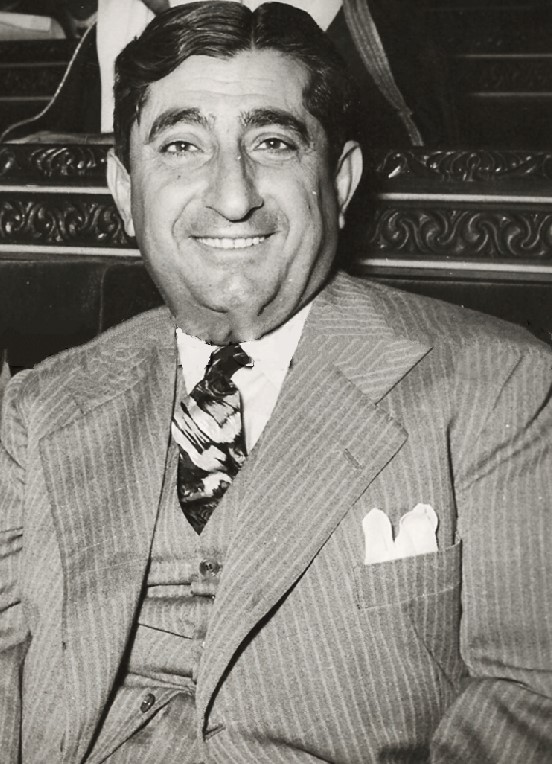
Muhammad Sulayman al-Ahmad (1903– August 19, 1981) (Arabic: محمد سليمان الأحمد), better known by his pen name Badawi al-Jabal (Arabic: بدوي الجبل), was a Syrian poet known for his work in the neo-classical Arabic form. According to anthologist Salma Khadra Jayyusi, Badawi was "one of the greatest poets of the old school".
Badawi was born in 1903 to an Alawite family in the village of Difa, near al-Haffa, in the Latakia District. His father, Sheikh Sulayman al-Ahmad, was a prominent Alawite imam from the Kalbiyya tribal confederation, and also served in the Damascus-based Arab Academy of Language in 1919. Badawi developed an early understanding of the Qur'an and classic Arabic poems from his father.
Following the French occupation of Syria in the aftermath of World War I, Badawi joined the Al-Ali Revolt, which centered in the Syrian coastal mountain areas. He fought alongside Saleh al-Ali's men, committing acts of sabotage against French forces. He also served as an intermediary between al-Ali and the King of Syria, Faisal I. Badawi was incarcerated by the French Mandatory authorities for many months in 1920–21 for his involvement in Syrian resistance activities, but was ultimately released because of his young age.
Later, he participated in the 1925 Great Syrian Revolt, personally heading parties of rebels in nighttime raids on French Military checkpoints. Consequently, the French put a bounty on him and he left Syria for Iraq. There, he worked as a teacher of Arabic literature in a Baghdad high school. In 1936, he made his way back to Syria where he studied law at the University of Damascus for a short time before being arrested by the authorities for his earlier anti-French activities. After serving one year of incarceration he once again moved to Baghdad to resume his teaching career. He became a professor of Arabic at the University of Baghdad. During his time in Iraq, he reportedly supported Rashid Ali's attempts to free Iraq of British influence in 1941.
Badawi joined the National Bloc upon his return to Syria in 1943. The party opposed French rule and lobbied for Syria's unity and independence. That same year, he was voted into the Parliament of Syria as a member of the National Bloc. Following Syria's independence in 1946, Badawi won parliamentary elections in 1947 and 1949. He was instrumental in founding the National Party along with Shukri al-Quwatli and others, and served on its central committee. The party advocated for modernization and republicanism, arguing against any mergers with the Hashemite monarchies of Jordan and Iraq.
In reaction to the establishment of Israel in 1948 and its victory over Arab forces, Badawi blamed the leadership of the Arab countries for leading their people to defeat. A warrant for Badawi's arrest was issued when Husni al-Zaim, a military officer, toppled the government in March 1949. Badawi subsequently fled to Lebanon, before returning later that year after al-Zaim was assassinated. In December he became the chief publicist of the government under President Hashim al-Atassi. During his time in the post, he penned articles commending the new leadership.
The Atassi administration was short-lived as Officer Adib al-Shishakli overthrew the government in 1951. Between that time and Shishakli's ousting in 1954, Badawi actively opposed military rule. In March 1954, he was appointed Health Minister in Prime Minister Sabri al-Asali's cabinet under Atassi's reinstated presidency, serving the post until June. He was once again appointed the position in Fares al-Khoury's government in October, serving until February 1955.
Badawi later served in Said al-Ghazzi's cabinet as Minister of State for Media Affairs between September 1955 – June 1956, during Quwatli's third presidency. Badawi was a fierce critic of socialism, particularly the way that the ideology was adopted by Egypt and Syria. He wrote that socialism was an "evil" system that merely served to concentrate power and wealth into the hands of the elite by seizing resources, denying individual freedom and justice to citizens and encouraging immorality in society. Moreover, he claimed socialism was an assault on religion and religious individuals. During his time in al-Ghazzi's cabinet, he publicly stated his opposition to Quwatli's closeness with the pan-Arabist and socialist president of Egypt, Gamal Abdel Nasser, and the Soviet Union.
Hub AI
Badawi al-Jabal AI simulator
(@Badawi al-Jabal_simulator)
Badawi al-Jabal
Muhammad Sulayman al-Ahmad (1903– August 19, 1981) (Arabic: محمد سليمان الأحمد), better known by his pen name Badawi al-Jabal (Arabic: بدوي الجبل), was a Syrian poet known for his work in the neo-classical Arabic form. According to anthologist Salma Khadra Jayyusi, Badawi was "one of the greatest poets of the old school".
Badawi was born in 1903 to an Alawite family in the village of Difa, near al-Haffa, in the Latakia District. His father, Sheikh Sulayman al-Ahmad, was a prominent Alawite imam from the Kalbiyya tribal confederation, and also served in the Damascus-based Arab Academy of Language in 1919. Badawi developed an early understanding of the Qur'an and classic Arabic poems from his father.
Following the French occupation of Syria in the aftermath of World War I, Badawi joined the Al-Ali Revolt, which centered in the Syrian coastal mountain areas. He fought alongside Saleh al-Ali's men, committing acts of sabotage against French forces. He also served as an intermediary between al-Ali and the King of Syria, Faisal I. Badawi was incarcerated by the French Mandatory authorities for many months in 1920–21 for his involvement in Syrian resistance activities, but was ultimately released because of his young age.
Later, he participated in the 1925 Great Syrian Revolt, personally heading parties of rebels in nighttime raids on French Military checkpoints. Consequently, the French put a bounty on him and he left Syria for Iraq. There, he worked as a teacher of Arabic literature in a Baghdad high school. In 1936, he made his way back to Syria where he studied law at the University of Damascus for a short time before being arrested by the authorities for his earlier anti-French activities. After serving one year of incarceration he once again moved to Baghdad to resume his teaching career. He became a professor of Arabic at the University of Baghdad. During his time in Iraq, he reportedly supported Rashid Ali's attempts to free Iraq of British influence in 1941.
Badawi joined the National Bloc upon his return to Syria in 1943. The party opposed French rule and lobbied for Syria's unity and independence. That same year, he was voted into the Parliament of Syria as a member of the National Bloc. Following Syria's independence in 1946, Badawi won parliamentary elections in 1947 and 1949. He was instrumental in founding the National Party along with Shukri al-Quwatli and others, and served on its central committee. The party advocated for modernization and republicanism, arguing against any mergers with the Hashemite monarchies of Jordan and Iraq.
In reaction to the establishment of Israel in 1948 and its victory over Arab forces, Badawi blamed the leadership of the Arab countries for leading their people to defeat. A warrant for Badawi's arrest was issued when Husni al-Zaim, a military officer, toppled the government in March 1949. Badawi subsequently fled to Lebanon, before returning later that year after al-Zaim was assassinated. In December he became the chief publicist of the government under President Hashim al-Atassi. During his time in the post, he penned articles commending the new leadership.
The Atassi administration was short-lived as Officer Adib al-Shishakli overthrew the government in 1951. Between that time and Shishakli's ousting in 1954, Badawi actively opposed military rule. In March 1954, he was appointed Health Minister in Prime Minister Sabri al-Asali's cabinet under Atassi's reinstated presidency, serving the post until June. He was once again appointed the position in Fares al-Khoury's government in October, serving until February 1955.
Badawi later served in Said al-Ghazzi's cabinet as Minister of State for Media Affairs between September 1955 – June 1956, during Quwatli's third presidency. Badawi was a fierce critic of socialism, particularly the way that the ideology was adopted by Egypt and Syria. He wrote that socialism was an "evil" system that merely served to concentrate power and wealth into the hands of the elite by seizing resources, denying individual freedom and justice to citizens and encouraging immorality in society. Moreover, he claimed socialism was an assault on religion and religious individuals. During his time in al-Ghazzi's cabinet, he publicly stated his opposition to Quwatli's closeness with the pan-Arabist and socialist president of Egypt, Gamal Abdel Nasser, and the Soviet Union.
Recent media