
Recent from talks
Battle of Sarikamish
Knowledge base stats:
Talk channels stats:
Members stats:
Battle of Sarikamish
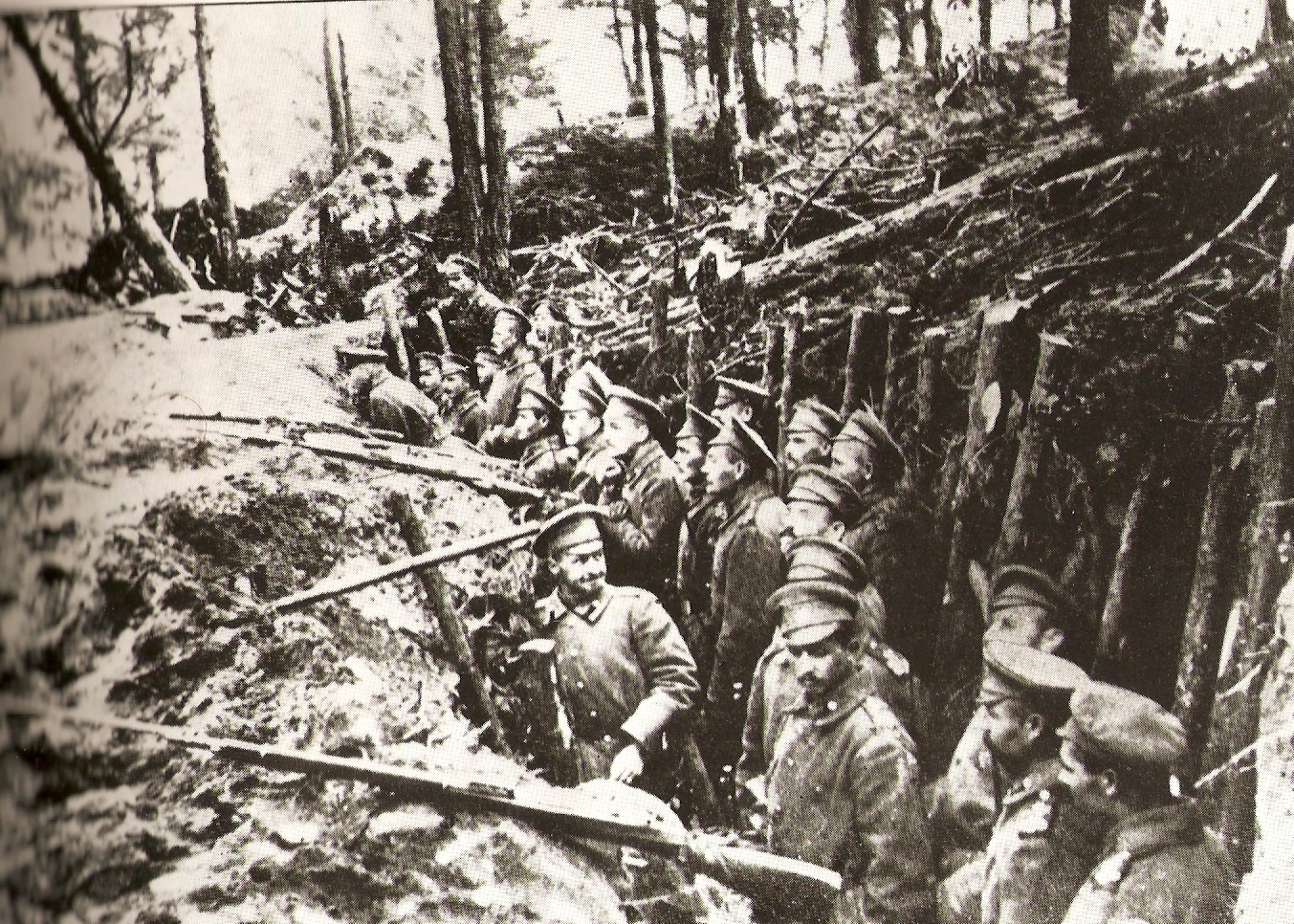
The Battle of Sarikamish was an engagement between the Russian and Ottoman Empires during World War I. It took place from 22 December 1914, to 17 January 1915, as part of the Caucasus campaign.
The battle resulted in a decisive Russian victory. The Ottoman plan relied on highly mobile troops capable of reaching specific objectives at precise times, drawing on German and Napoleonic tactical principles. However, the Ottoman forces were inadequately equipped for the harsh winter conditions and suffered severe losses in the Allahuekber Mountains. It is estimated that approximately 25,000 Ottoman soldiers froze to death before the main engagement began.
Following the defeat, Ottoman Minister of War Enver Pasha, who had devised the strategy at Sarikamish, blamed the Armenians for the outcome. The battle subsequently became a prelude to the Armenian genocide.
Some sources regard the battle as one of the most significant of the campaign, noting that the Ottoman Third Army was so severely weakened that it was forced to suspend operations temporarily.
Russia regarded the Caucasus Front as secondary to the Eastern Front, which received the majority of Russian resources. Russia had captured the fortress of Kars from the Ottoman Empire during the Russo-Turkish War in 1877, subsequently incorporating it into the militarily administered Kars Oblast. After the Ottoman Empire entered World War I in October 1914 on the side of the Central Powers, Russia feared a Caucasus campaign aimed at retaking Kars and the port of Batum.
From the perspective of the Central Powers, a campaign in the Caucasus would serve to divert Russian forces. The immediate strategic objective of the Ottoman Caucasus campaign was to recapture Artvin, Ardahan, Kars, and Batum. In the longer term, the Ottoman Minister of War, İsmail Enver, hoped that a successful offensive would open a route to Tbilisi and beyond, potentially provoking a revolt among Muslims in the Caucasus. Another strategic goal was to cut Russian access to hydrocarbon resources around the Caspian Sea.
The headquarters of the Ottoman Third Army was located in Erzurum, under the command of Hasan Izzet Pasha. On 30 October 1914, the Third Army headquarters was informed by the High Command in Constantinople about the Ottoman Navy's bombardment of the Russian ports of Novorossiysk, Odessa, and Sevastopol in the Black Sea. The High Command expected the Russian Army to cross the Ottoman border at any time. The Bergmann Offensive (2 November 1914 – 16 November 1914) ended with the defeat of Russian forces under General Bergmann.
After a partial victory in the Bergmann Offensive, the Ottomans reinforced their Caucasian Third Army (50,000 soldiers) with the Tenth Corps (40,000 fresh troops). They correctly assessed that the Russian Caucasian Army did not receive significant reinforcements, apart from the Plastun brigades (11 battalions) and the 2nd Turkestan Corps (21 infantry battalions of 700 soldiers each, and 12 cavalry squadrons of 130 cavalry each). Before planning the Sarikamish Offensive, the chief of staff of the Ninth Corps, Şerif İlden, estimated the Russian strength at 60,000 soldiers, in line with the figure of 64,000 provided by Paul Muratoff.
Hub AI
Battle of Sarikamish AI simulator
(@Battle of Sarikamish_simulator)
Battle of Sarikamish
The Battle of Sarikamish was an engagement between the Russian and Ottoman Empires during World War I. It took place from 22 December 1914, to 17 January 1915, as part of the Caucasus campaign.
The battle resulted in a decisive Russian victory. The Ottoman plan relied on highly mobile troops capable of reaching specific objectives at precise times, drawing on German and Napoleonic tactical principles. However, the Ottoman forces were inadequately equipped for the harsh winter conditions and suffered severe losses in the Allahuekber Mountains. It is estimated that approximately 25,000 Ottoman soldiers froze to death before the main engagement began.
Following the defeat, Ottoman Minister of War Enver Pasha, who had devised the strategy at Sarikamish, blamed the Armenians for the outcome. The battle subsequently became a prelude to the Armenian genocide.
Some sources regard the battle as one of the most significant of the campaign, noting that the Ottoman Third Army was so severely weakened that it was forced to suspend operations temporarily.
Russia regarded the Caucasus Front as secondary to the Eastern Front, which received the majority of Russian resources. Russia had captured the fortress of Kars from the Ottoman Empire during the Russo-Turkish War in 1877, subsequently incorporating it into the militarily administered Kars Oblast. After the Ottoman Empire entered World War I in October 1914 on the side of the Central Powers, Russia feared a Caucasus campaign aimed at retaking Kars and the port of Batum.
From the perspective of the Central Powers, a campaign in the Caucasus would serve to divert Russian forces. The immediate strategic objective of the Ottoman Caucasus campaign was to recapture Artvin, Ardahan, Kars, and Batum. In the longer term, the Ottoman Minister of War, İsmail Enver, hoped that a successful offensive would open a route to Tbilisi and beyond, potentially provoking a revolt among Muslims in the Caucasus. Another strategic goal was to cut Russian access to hydrocarbon resources around the Caspian Sea.
The headquarters of the Ottoman Third Army was located in Erzurum, under the command of Hasan Izzet Pasha. On 30 October 1914, the Third Army headquarters was informed by the High Command in Constantinople about the Ottoman Navy's bombardment of the Russian ports of Novorossiysk, Odessa, and Sevastopol in the Black Sea. The High Command expected the Russian Army to cross the Ottoman border at any time. The Bergmann Offensive (2 November 1914 – 16 November 1914) ended with the defeat of Russian forces under General Bergmann.
After a partial victory in the Bergmann Offensive, the Ottomans reinforced their Caucasian Third Army (50,000 soldiers) with the Tenth Corps (40,000 fresh troops). They correctly assessed that the Russian Caucasian Army did not receive significant reinforcements, apart from the Plastun brigades (11 battalions) and the 2nd Turkestan Corps (21 infantry battalions of 700 soldiers each, and 12 cavalry squadrons of 130 cavalry each). Before planning the Sarikamish Offensive, the chief of staff of the Ninth Corps, Şerif İlden, estimated the Russian strength at 60,000 soldiers, in line with the figure of 64,000 provided by Paul Muratoff.
Recent media