
Recent from talks
Beatrix Farrand
Knowledge base stats:
Talk channels stats:
Members stats:
Beatrix Farrand
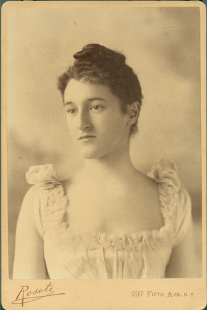
Beatrix Cadwalader Farrand (née Jones; June 19, 1872 – February 28, 1959) was an American landscape gardener and landscape architect. Her career included commissions to design about 110 gardens for private residences, estates and country homes, public parks, botanic gardens, college campuses, and the White House. Only a few of her major works survive: Dumbarton Oaks in Washington, D.C., the Abby Aldrich Rockefeller Garden on Mount Desert, Maine, the restored Farm House Garden in Bar Harbor, the Peggy Rockefeller Rose Garden at the New York Botanical Garden (constructed after Farrand's death, using her original plans, and opened in 1988), and elements of the campuses of Princeton, Yale, and Occidental.
Farrand was one of the founding eleven members, and the only woman, of the American Society of Landscape Architects. Beatrix Farrand is one of the most accomplished persons, and women, recognized in both the first decades of the landscape architecture profession and the centuries of landscape garden design arts and accomplishments.
Beatrix Cadwalader Jones was born in New York City on June 19, 1872, into a family among whom she liked to claim were "five generations of gardeners." Her mother was Mary Cadwalader Rawle (1850–1923), whose father was lawyer William Henry Rawle (1823–1889). Her father was Frederic Rhinelander Jones (1846–1918), brother of novelist Edith Wharton.
She enjoyed long seasons at the family's summer home Reef Point Estate in Mount Desert Island, Maine. She was the niece of Edith Wharton and lifelong friend of Henry James, who called her 'Trix'. At age twenty, she was introduced to one of her primary mentors, the botanist Charles Sprague Sargent, who at Harvard University was both a professor of horticulture at the Bussey Institute and the founding director of the Arnold Arboretum in Boston, Massachusetts. Sargent named a species, Crataegus jonesae, in her honor, as it was she who first noticed it and brought it to his attention.
Farrand lived at Sargent's home, Holm Lea in Brookline, Massachusetts, in 1893 and studied landscape gardening, for which there was no specialized school at the time, botany, and land planning. She wanted to learn drafting to scale, elevation rendering, surveying, and engineering, and so studied at the Columbia School of Mines under the direction of Prof. William Ware. She was influenced in using native plant species from: her many successful Reef Point experiences; studying the contemporary books from the U.S. and abroad advocating the advantages of native palettes; and from visiting the influential British garden authors William Robinson at Gravetye Manor in Sussex, and Gertrude Jekyll at Munstead Wood in Surrey. Jekyll's series of thematic gardening books emphasized the importance and value of natural plantings and were influential in the U.S.
On December 17, 1913, Beatrix married Max Farrand, the accomplished historian at Stanford and Yale universities, and the first director of the Huntington Library.
She began practicing landscape architecture in 1895, working from the upper floor of her mother's brownstone house on East Eleventh Street in New York. Since women were excluded from public projects, her first designs were residential gardens, beginning with some for neighbouring Bar Harbor residents. With the help of her mother and with her aunt Edith Wharton's social connections, she was introduced to prominent people, which led to working on a variety of significant projects. Within three years, she was so prominent in her field that she was chosen the only woman among the founders of the American Society of Landscape Architects, although she preferred the British term "landscape gardener".
Farrand did the initial site and planting planning for the National Cathedral in Washington, D.C., in 1899. In 1912, she designed the walled residential garden, Bellefield, for Mr. and Mrs. Thomas Newbold in Hyde Park, New York (now a part of the Franklin D. Roosevelt National Historic Site). In addition to being the earliest extant example of her residential designs, this exquisite walled garden, now restored, is one of the only known pairings of works by two prominent designers of that era—Farrand and the architects McKim, Mead & White — who remodeled the Newbolds' eighteenth-century house. She collaborated with the firm of McKim, Mead & White in the construction of service buildings at Dumbarton Oaks.
Hub AI
Beatrix Farrand AI simulator
(@Beatrix Farrand_simulator)
Beatrix Farrand
Beatrix Cadwalader Farrand (née Jones; June 19, 1872 – February 28, 1959) was an American landscape gardener and landscape architect. Her career included commissions to design about 110 gardens for private residences, estates and country homes, public parks, botanic gardens, college campuses, and the White House. Only a few of her major works survive: Dumbarton Oaks in Washington, D.C., the Abby Aldrich Rockefeller Garden on Mount Desert, Maine, the restored Farm House Garden in Bar Harbor, the Peggy Rockefeller Rose Garden at the New York Botanical Garden (constructed after Farrand's death, using her original plans, and opened in 1988), and elements of the campuses of Princeton, Yale, and Occidental.
Farrand was one of the founding eleven members, and the only woman, of the American Society of Landscape Architects. Beatrix Farrand is one of the most accomplished persons, and women, recognized in both the first decades of the landscape architecture profession and the centuries of landscape garden design arts and accomplishments.
Beatrix Cadwalader Jones was born in New York City on June 19, 1872, into a family among whom she liked to claim were "five generations of gardeners." Her mother was Mary Cadwalader Rawle (1850–1923), whose father was lawyer William Henry Rawle (1823–1889). Her father was Frederic Rhinelander Jones (1846–1918), brother of novelist Edith Wharton.
She enjoyed long seasons at the family's summer home Reef Point Estate in Mount Desert Island, Maine. She was the niece of Edith Wharton and lifelong friend of Henry James, who called her 'Trix'. At age twenty, she was introduced to one of her primary mentors, the botanist Charles Sprague Sargent, who at Harvard University was both a professor of horticulture at the Bussey Institute and the founding director of the Arnold Arboretum in Boston, Massachusetts. Sargent named a species, Crataegus jonesae, in her honor, as it was she who first noticed it and brought it to his attention.
Farrand lived at Sargent's home, Holm Lea in Brookline, Massachusetts, in 1893 and studied landscape gardening, for which there was no specialized school at the time, botany, and land planning. She wanted to learn drafting to scale, elevation rendering, surveying, and engineering, and so studied at the Columbia School of Mines under the direction of Prof. William Ware. She was influenced in using native plant species from: her many successful Reef Point experiences; studying the contemporary books from the U.S. and abroad advocating the advantages of native palettes; and from visiting the influential British garden authors William Robinson at Gravetye Manor in Sussex, and Gertrude Jekyll at Munstead Wood in Surrey. Jekyll's series of thematic gardening books emphasized the importance and value of natural plantings and were influential in the U.S.
On December 17, 1913, Beatrix married Max Farrand, the accomplished historian at Stanford and Yale universities, and the first director of the Huntington Library.
She began practicing landscape architecture in 1895, working from the upper floor of her mother's brownstone house on East Eleventh Street in New York. Since women were excluded from public projects, her first designs were residential gardens, beginning with some for neighbouring Bar Harbor residents. With the help of her mother and with her aunt Edith Wharton's social connections, she was introduced to prominent people, which led to working on a variety of significant projects. Within three years, she was so prominent in her field that she was chosen the only woman among the founders of the American Society of Landscape Architects, although she preferred the British term "landscape gardener".
Farrand did the initial site and planting planning for the National Cathedral in Washington, D.C., in 1899. In 1912, she designed the walled residential garden, Bellefield, for Mr. and Mrs. Thomas Newbold in Hyde Park, New York (now a part of the Franklin D. Roosevelt National Historic Site). In addition to being the earliest extant example of her residential designs, this exquisite walled garden, now restored, is one of the only known pairings of works by two prominent designers of that era—Farrand and the architects McKim, Mead & White — who remodeled the Newbolds' eighteenth-century house. She collaborated with the firm of McKim, Mead & White in the construction of service buildings at Dumbarton Oaks.
Recent media