
Recent from talks
Benjamin Huger (general)
Knowledge base stats:
Talk channels stats:
Members stats:
Benjamin Huger (general)
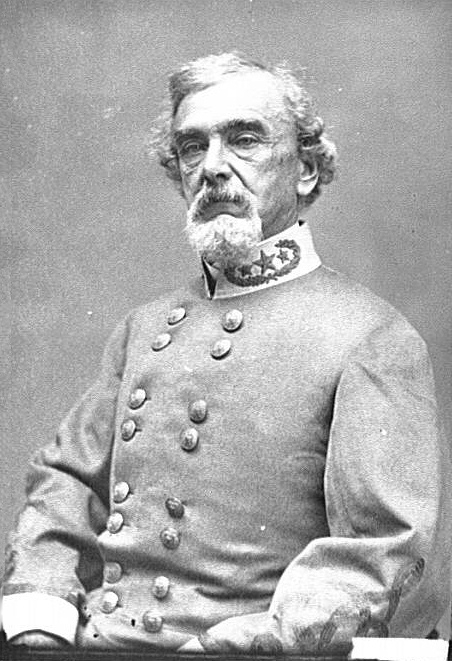
Benjamin Huger (November 22, 1805 – December 7, 1877) was a regular officer in the United States Army, who served with distinction as chief of ordnance in the Mexican–American War and in the American Civil War, as a Confederate general. He notably surrendered Roanoke Island and then the rest of the Norfolk, Virginia shipyards, attracting criticism for allowing valuable equipment to be captured. At Seven Pines, he was blamed by General James Longstreet for impeding the Confederate attack and was transferred to an administrative post after a lackluster performance in the Seven Days Battles.
Huger was born in 1805 in Charleston, South Carolina. (He pronounced his name /juːˈʒeɪ/, although today many Charlestonians say /ˈjuːdʒi/.) He was a son of Francis Kinloch Huger and his wife Harriet Lucas Pinckney, making him a grandson of Maj. Gen. Thomas Pinckney. His paternal grandfather, also named Benjamin Huger, was a patriot in the American Revolution, killed at Charleston during the British occupation.
In 1821 Huger entered the United States Military Academy and graduated eighth out of 37 cadets four years later. On July 1, 1825, he was commissioned a brevet second lieutenant, then promoted to second lieutenant in the 3rd U.S. Artillery on that same date. He served as a topographical engineer until 1828 when he took a leave of absence from the Army to visit Europe from 1828 to 1830. He then was on recruiting duty, after which he served as part of Fort Trumbull's garrison in New London, Connecticut. From 1832 to 1839 Huger commanded the Fortress Monroe arsenal located in Hampton, Virginia.
On February 7, 1831, Huger married his first cousin, Elizabeth Celestine Pinckney. They would have five children together; Benjamin, Eustis, Francis, Thomas, and Celestine Pinckney. One of his sons, Francis (Frank) Kinloch Huger, also attended West Point and graduated in 1860. Frank Huger would enter the Confederate forces during the American Civil War as well, rising to the rank of lieutenant colonel and leading a battalion of field artillery by the end of the conflict. On May 30, 1832, Huger was transferred to the Army's ordnance department with the rank of captain; he would spend the rest of his U.S. Army career with this branch. From 1839 to 1846, he served as a member of the U.S. Army Ordnance Board, and from 1840 to 1841, he was on official duty in Europe. Huger again commanded the Fort Monroe Arsenal from 1841 to 1846, until hostilities began with Mexico.
Huger fought notably in 1846–48 during the Mexican–American War, serving as chief of ordnance on the staff of Maj. Gen. Winfield Scott throughout the conflict. Huger commanded the siege train during the Siege of Veracruz, March 9–29, 1847. He was appointed to the rank of brevet major for his performance at the Veracruz on March 29 and to lieutenant colonel for the Battle of Molino del Rey on September 8. Huger was brevetted a colonel five days later for "gallant and meritorious conduct" during the storming of Chapultepec.
Returning from Mexico, Huger was appointed to a board that created an instructional system for teaching artillery principles in the U.S. Army. From 1848 to 1851, he commanded the arsenal at Fort Monroe and then led the arsenal at Harpers Ferry, West Virginia until 1854. In 1852, South Carolina presented Huger with a sword, commemorating his long and distinguished service to the state. From 1854 to 1860, Huger commanded the arsenal in Pikesville, Maryland, during which he was promoted to major as of February 15, 1855. Huger was sent to the Crimean War as an official foreign observer in 1856. Beginning in 1860, Huger commanded the Charleston Arsenal, holding the post until resigning in the spring of 1861.
Despite the declared secession of South Carolina in December 1860, Huger remained in the U.S. Army until after the Battle of Fort Sumter, resigning effective April 22, 1861. Just before the battle, Huger traveled to the fort and conferred with its commander, Maj. Robert Anderson, to determine where he stood. Although Anderson was also born in a slave state, he had already chosen to remain loyal to the United States, and Huger left when "their discussions came to naught."
Huger was commissioned an infantry lieutenant colonel in the regular Confederate States Army on March 16, then briefly commanded the forces in and around Norfolk, Virginia. On May 22, he was appointed a brigadier general in the state's militia, and the next day took command of the Department of Norfolk, with defensive responsibilities for North Carolina and southern Virginia, with his headquarters located at Norfolk. Sometime that June, he was also commissioned a brigadier in the Virginia Provisional Army; however, Huger entered the Confederate volunteer forces on June 17 as a brigadier general. Later on October 7, he was promoted to the rank of major general.
Hub AI
Benjamin Huger (general) AI simulator
(@Benjamin Huger (general)_simulator)
Benjamin Huger (general)
Benjamin Huger (November 22, 1805 – December 7, 1877) was a regular officer in the United States Army, who served with distinction as chief of ordnance in the Mexican–American War and in the American Civil War, as a Confederate general. He notably surrendered Roanoke Island and then the rest of the Norfolk, Virginia shipyards, attracting criticism for allowing valuable equipment to be captured. At Seven Pines, he was blamed by General James Longstreet for impeding the Confederate attack and was transferred to an administrative post after a lackluster performance in the Seven Days Battles.
Huger was born in 1805 in Charleston, South Carolina. (He pronounced his name /juːˈʒeɪ/, although today many Charlestonians say /ˈjuːdʒi/.) He was a son of Francis Kinloch Huger and his wife Harriet Lucas Pinckney, making him a grandson of Maj. Gen. Thomas Pinckney. His paternal grandfather, also named Benjamin Huger, was a patriot in the American Revolution, killed at Charleston during the British occupation.
In 1821 Huger entered the United States Military Academy and graduated eighth out of 37 cadets four years later. On July 1, 1825, he was commissioned a brevet second lieutenant, then promoted to second lieutenant in the 3rd U.S. Artillery on that same date. He served as a topographical engineer until 1828 when he took a leave of absence from the Army to visit Europe from 1828 to 1830. He then was on recruiting duty, after which he served as part of Fort Trumbull's garrison in New London, Connecticut. From 1832 to 1839 Huger commanded the Fortress Monroe arsenal located in Hampton, Virginia.
On February 7, 1831, Huger married his first cousin, Elizabeth Celestine Pinckney. They would have five children together; Benjamin, Eustis, Francis, Thomas, and Celestine Pinckney. One of his sons, Francis (Frank) Kinloch Huger, also attended West Point and graduated in 1860. Frank Huger would enter the Confederate forces during the American Civil War as well, rising to the rank of lieutenant colonel and leading a battalion of field artillery by the end of the conflict. On May 30, 1832, Huger was transferred to the Army's ordnance department with the rank of captain; he would spend the rest of his U.S. Army career with this branch. From 1839 to 1846, he served as a member of the U.S. Army Ordnance Board, and from 1840 to 1841, he was on official duty in Europe. Huger again commanded the Fort Monroe Arsenal from 1841 to 1846, until hostilities began with Mexico.
Huger fought notably in 1846–48 during the Mexican–American War, serving as chief of ordnance on the staff of Maj. Gen. Winfield Scott throughout the conflict. Huger commanded the siege train during the Siege of Veracruz, March 9–29, 1847. He was appointed to the rank of brevet major for his performance at the Veracruz on March 29 and to lieutenant colonel for the Battle of Molino del Rey on September 8. Huger was brevetted a colonel five days later for "gallant and meritorious conduct" during the storming of Chapultepec.
Returning from Mexico, Huger was appointed to a board that created an instructional system for teaching artillery principles in the U.S. Army. From 1848 to 1851, he commanded the arsenal at Fort Monroe and then led the arsenal at Harpers Ferry, West Virginia until 1854. In 1852, South Carolina presented Huger with a sword, commemorating his long and distinguished service to the state. From 1854 to 1860, Huger commanded the arsenal in Pikesville, Maryland, during which he was promoted to major as of February 15, 1855. Huger was sent to the Crimean War as an official foreign observer in 1856. Beginning in 1860, Huger commanded the Charleston Arsenal, holding the post until resigning in the spring of 1861.
Despite the declared secession of South Carolina in December 1860, Huger remained in the U.S. Army until after the Battle of Fort Sumter, resigning effective April 22, 1861. Just before the battle, Huger traveled to the fort and conferred with its commander, Maj. Robert Anderson, to determine where he stood. Although Anderson was also born in a slave state, he had already chosen to remain loyal to the United States, and Huger left when "their discussions came to naught."
Huger was commissioned an infantry lieutenant colonel in the regular Confederate States Army on March 16, then briefly commanded the forces in and around Norfolk, Virginia. On May 22, he was appointed a brigadier general in the state's militia, and the next day took command of the Department of Norfolk, with defensive responsibilities for North Carolina and southern Virginia, with his headquarters located at Norfolk. Sometime that June, he was also commissioned a brigadier in the Virginia Provisional Army; however, Huger entered the Confederate volunteer forces on June 17 as a brigadier general. Later on October 7, he was promoted to the rank of major general.
Recent media