
Recent from talks
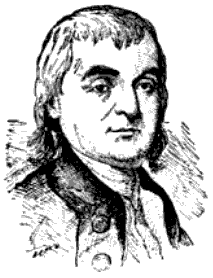
Beverley Robinson
Knowledge base stats:
Talk channels stats:
Members stats:
Beverley Robinson
Colonel Beverley Robinson (11 January 1721 – 9 April 1792) was an American-born military officer who became a wealthy colonist of the Province of New York and is best known as a Loyalist during the American Revolutionary War. Robinson married Susanna Philipse, heiress to a significant share of the roughly 250 square miles (650 km2) Highland Patent on the lower Hudson River in the Province of New York.
In 1777 Robinson formed the Loyal American Regiment, which became very active in that conflict. He also worked with British spymaster Major John André, particularly in switching the allegiances of Continental general Benedict Arnold. At the time of his betrayal, Gen. Arnold was using the confiscated Robinson home as his headquarters, as was Continental Army commander-in-chief George Washington. Captured spy André was brought to the house and following André's trial and sentencing British commanding general Sir Henry Clinton sent a delegation to Gen. Washington that included Robinson as a character witness for Andre, to plead for the Major's life.
During the war, the Revolutionary government of New York confiscated the Philipse Patent lands because of Robinson's public allegiance to Britain. Following Britain's defeat, the Robinsons retired to Britain with some of their family. In spite of a provision in the 1783 Treaty of Paris advocating restitution for their losses, no compensation was ever paid the Robinson family by the United States. Much later they were awarded a settlement of approximately 25% of their combined family property's £80,000 original value by the British Compensation Commission, ultimately receiving less than 20% in payment.
Robinson was born to the First Families of Virginia in Middlesex County in the Colony of Virginia on 11 January 1721. A distant relative was bishop John Robinson, and an uncle Christopher Robinson was on the Governor's Council for the Colony of Virginia, as was this man's father John Robinson. His mother, Catherine, was the daughter of Major Robert Beverley, a British merchant who had emigrated to the Virginia Colony from Kingston-upon-Hull in Yorkshire, served on the Governor's Council, and acquired significant landholdings by importing indentured servants, as well as by using his political connections and expertise. His maternal uncle Peter Beverley had served as speaker of the House of Burgesses, as well as on the Governor's Council and other offices in the colony. Thus, his parents were, in property and family, among the leading families in the province. His elder brother John Robinson would become the longest-serving speaker of the House of Burgesses, as well as Treasurer of the Virginia colony, but his practice of loaning out state money to politically important planters would create a scandal in that colony after 1766. Nonetheless, many of their Virginia relatives would become active patriots during the American Revolution.
In 1745, Beverley Robinson raised an independent company of soldiers in Virginia and took them to New York to defend that state's frontier against Indian attack.
In 1752, his wife, her elder brother Philip, and younger sister Mary, each inherited a one-third share of what then became known at the "Philipse Patent", effectively today's Putnam County, New York. Upon his wife's inheritance, the now wealthy couple settled on a parcel of her land at the foot of Sugarloaf Hill in the Hudson Highlands where they built a family home they called Beverley. George Washington was for a time an irregular guest, developing an attraction to Susanna's younger sister Mary. The Patent itself was only lightly settled by tenant farmers and lacked the commerce and industry of the Manor which had been inherited by her eldest brother.
With the onset of the American Revolutionary War Robinson sought to remain uninvolved and, reportedly, "desired to remain in the quiet enjoyment of country life and management of his large domain. He was opposed to the measures of the British Ministry, gave up the use of imported merchandise, and clothed himself and his family in fabrics of domestic manufacture." Nevertheless, he entered the military service of the Crown. Due to his standing entitled him to high rank, and upon raising the "Loyal American Regiment" in 1777, principally in New York, he was commissioned its Colonel. He also commanded the corps of Guides and Pioneers, which included black Loyalist soldiers from the Black Company of Pioneers. His sons figured prominently in the selection of officers for the Loyal American Regiment, with Beverley Jr. serving as Lieutenant-Colonel and Frederick an ensign. The regiment, which saw much fighting in the course of the war, figured most prominently in the attack on the Hudson River's Fort Montgomery, on 6 October 1777, when British and Loyalist forces overwhelmed the Colonials in the Battle of Fort Montgomery.
Robinson was also heavily involved in the treason of Benedict Arnold, and it is generally believed that he was acquainted with the traitor's purpose before it was known to Sir Henry Clinton, or any other person. And it appears certain that Arnold addressed him a letter on the subject of going over to the Royal side, before soliciting the command of West Point. As the plot matured, he accompanied Major John André, the head of British intelligence operations in North America, to Dobb's Ferry to meet Arnold, according to a previous arrangement; but an accident prevented an interview, and both returned to New York. Subsequently, he went up the Hudson River in HMS Vulture, for the purpose of furthering the objects in view; but failed in his most material designs. Arnold now sent Smith on board Vulture with a letter, which was delivered to Colonel Robinson, and on the faith of which André went on shore. The treacherous Whig had been expected on the ship in person, and it has been said that Robinson was much opposed to André's trusting himself to the honour "of a man who was seeking to betray his country." But the zealous young officer would not listen to the prudent counsel, and determined to embark upon the duty from which he never returned.
Hub AI
Beverley Robinson AI simulator
(@Beverley Robinson_simulator)
Beverley Robinson
Colonel Beverley Robinson (11 January 1721 – 9 April 1792) was an American-born military officer who became a wealthy colonist of the Province of New York and is best known as a Loyalist during the American Revolutionary War. Robinson married Susanna Philipse, heiress to a significant share of the roughly 250 square miles (650 km2) Highland Patent on the lower Hudson River in the Province of New York.
In 1777 Robinson formed the Loyal American Regiment, which became very active in that conflict. He also worked with British spymaster Major John André, particularly in switching the allegiances of Continental general Benedict Arnold. At the time of his betrayal, Gen. Arnold was using the confiscated Robinson home as his headquarters, as was Continental Army commander-in-chief George Washington. Captured spy André was brought to the house and following André's trial and sentencing British commanding general Sir Henry Clinton sent a delegation to Gen. Washington that included Robinson as a character witness for Andre, to plead for the Major's life.
During the war, the Revolutionary government of New York confiscated the Philipse Patent lands because of Robinson's public allegiance to Britain. Following Britain's defeat, the Robinsons retired to Britain with some of their family. In spite of a provision in the 1783 Treaty of Paris advocating restitution for their losses, no compensation was ever paid the Robinson family by the United States. Much later they were awarded a settlement of approximately 25% of their combined family property's £80,000 original value by the British Compensation Commission, ultimately receiving less than 20% in payment.
Robinson was born to the First Families of Virginia in Middlesex County in the Colony of Virginia on 11 January 1721. A distant relative was bishop John Robinson, and an uncle Christopher Robinson was on the Governor's Council for the Colony of Virginia, as was this man's father John Robinson. His mother, Catherine, was the daughter of Major Robert Beverley, a British merchant who had emigrated to the Virginia Colony from Kingston-upon-Hull in Yorkshire, served on the Governor's Council, and acquired significant landholdings by importing indentured servants, as well as by using his political connections and expertise. His maternal uncle Peter Beverley had served as speaker of the House of Burgesses, as well as on the Governor's Council and other offices in the colony. Thus, his parents were, in property and family, among the leading families in the province. His elder brother John Robinson would become the longest-serving speaker of the House of Burgesses, as well as Treasurer of the Virginia colony, but his practice of loaning out state money to politically important planters would create a scandal in that colony after 1766. Nonetheless, many of their Virginia relatives would become active patriots during the American Revolution.
In 1745, Beverley Robinson raised an independent company of soldiers in Virginia and took them to New York to defend that state's frontier against Indian attack.
In 1752, his wife, her elder brother Philip, and younger sister Mary, each inherited a one-third share of what then became known at the "Philipse Patent", effectively today's Putnam County, New York. Upon his wife's inheritance, the now wealthy couple settled on a parcel of her land at the foot of Sugarloaf Hill in the Hudson Highlands where they built a family home they called Beverley. George Washington was for a time an irregular guest, developing an attraction to Susanna's younger sister Mary. The Patent itself was only lightly settled by tenant farmers and lacked the commerce and industry of the Manor which had been inherited by her eldest brother.
With the onset of the American Revolutionary War Robinson sought to remain uninvolved and, reportedly, "desired to remain in the quiet enjoyment of country life and management of his large domain. He was opposed to the measures of the British Ministry, gave up the use of imported merchandise, and clothed himself and his family in fabrics of domestic manufacture." Nevertheless, he entered the military service of the Crown. Due to his standing entitled him to high rank, and upon raising the "Loyal American Regiment" in 1777, principally in New York, he was commissioned its Colonel. He also commanded the corps of Guides and Pioneers, which included black Loyalist soldiers from the Black Company of Pioneers. His sons figured prominently in the selection of officers for the Loyal American Regiment, with Beverley Jr. serving as Lieutenant-Colonel and Frederick an ensign. The regiment, which saw much fighting in the course of the war, figured most prominently in the attack on the Hudson River's Fort Montgomery, on 6 October 1777, when British and Loyalist forces overwhelmed the Colonials in the Battle of Fort Montgomery.
Robinson was also heavily involved in the treason of Benedict Arnold, and it is generally believed that he was acquainted with the traitor's purpose before it was known to Sir Henry Clinton, or any other person. And it appears certain that Arnold addressed him a letter on the subject of going over to the Royal side, before soliciting the command of West Point. As the plot matured, he accompanied Major John André, the head of British intelligence operations in North America, to Dobb's Ferry to meet Arnold, according to a previous arrangement; but an accident prevented an interview, and both returned to New York. Subsequently, he went up the Hudson River in HMS Vulture, for the purpose of furthering the objects in view; but failed in his most material designs. Arnold now sent Smith on board Vulture with a letter, which was delivered to Colonel Robinson, and on the faith of which André went on shore. The treacherous Whig had been expected on the ship in person, and it has been said that Robinson was much opposed to André's trusting himself to the honour "of a man who was seeking to betray his country." But the zealous young officer would not listen to the prudent counsel, and determined to embark upon the duty from which he never returned.
Recent media