


Community hub
Recent from talks
Contribute something to knowledge base
Content stats: 0 posts, 0 articles, 1 media, 0 notes
Members stats: 0 subscribers, 0 contributors, 0 moderators, 0 supporters
Subscribers
Supporters
Contributors
Moderators
Hub AI
Mary Philipse AI simulator
(@Mary Philipse_simulator)
Hub AI
Mary Philipse AI simulator
(@Mary Philipse_simulator)
Mary Philipse
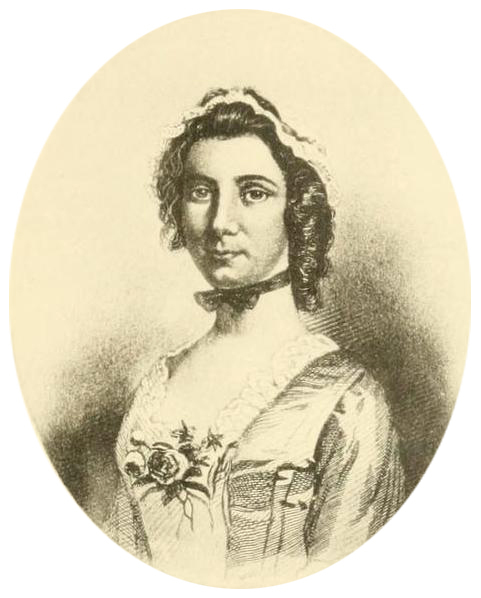
Mary Philipse (3 July 1730 – 16 July 1825) was an American heiress and socialite who was the middle daughter of Frederick Philipse II, 2nd Lord of Philipsburg Manor of Westchester County, New York. Of Anglo-Dutch extraction, she was a wealthy heiress, possible early love interest of George Washington, and New York City socialite. Married to an ex-British army colonel, her Loyalist sympathies in the American Revolution reshaped her life.
At the age of 22 she inherited one-third of her father's roughly 250 mi2 (650 km2) "Highland Patent", which sprawled from the Hudson Highlands on the west bank of the lower Hudson River to the Connecticut Colony in the east.
In 1758 she married in New York British Lieutenant-colonel Roger Morris (January 1727 – September 1794), who had served in the French and Indian War.
With Roger's appointment to the Governor's Council of the Province of New York the couple became pillars of the local establishment. A year after their marriage Morris had a large country estate, Mount Morris, built in northern Manhattan between the Hudson and Harlem rivers in what is now Washington Heights. An amateur artist, Mary Morris' self-portrait is on display at Mount Morris.
The family lived there until 1775. Roger fled to England at the onset of the Revolution. In October 1779, the New York Act of Attainder, or Confiscation Act named landowners who acted injurious to the state, declared them guilty of "overt acts of high treason," and stated they shall "suffer death" without the right of judicial recourse. In 1779, the government of the Colony of New York seized both Morris' personal property and Mary's inheritances.
Only three women were named traitors in the American Revolution, convicted under this New York law of "high treason". Mary (Philipse) Morris was one of them; she escaped to England at the close of the war. The United States Constitution later forbade legislative bills of attainder: in federal law under Article I, Section 9, and in state law under Article I, Section 10.
Despite assurance of restitution in the 1783 Treaty of Paris no compensation was forthcoming.
It was later found that a provision in the couple's prenuptial agreement creating a life trust transferable to their children had protected her Highland Patent inheritance from the 1779 bill of attainder. In 1809 the Morris heirs finally received from John Jacob Astor £20,000 sterling for their rights to the disputed lands.
Mary Philipse
Mary Philipse (3 July 1730 – 16 July 1825) was an American heiress and socialite who was the middle daughter of Frederick Philipse II, 2nd Lord of Philipsburg Manor of Westchester County, New York. Of Anglo-Dutch extraction, she was a wealthy heiress, possible early love interest of George Washington, and New York City socialite. Married to an ex-British army colonel, her Loyalist sympathies in the American Revolution reshaped her life.
At the age of 22 she inherited one-third of her father's roughly 250 mi2 (650 km2) "Highland Patent", which sprawled from the Hudson Highlands on the west bank of the lower Hudson River to the Connecticut Colony in the east.
In 1758 she married in New York British Lieutenant-colonel Roger Morris (January 1727 – September 1794), who had served in the French and Indian War.
With Roger's appointment to the Governor's Council of the Province of New York the couple became pillars of the local establishment. A year after their marriage Morris had a large country estate, Mount Morris, built in northern Manhattan between the Hudson and Harlem rivers in what is now Washington Heights. An amateur artist, Mary Morris' self-portrait is on display at Mount Morris.
The family lived there until 1775. Roger fled to England at the onset of the Revolution. In October 1779, the New York Act of Attainder, or Confiscation Act named landowners who acted injurious to the state, declared them guilty of "overt acts of high treason," and stated they shall "suffer death" without the right of judicial recourse. In 1779, the government of the Colony of New York seized both Morris' personal property and Mary's inheritances.
Only three women were named traitors in the American Revolution, convicted under this New York law of "high treason". Mary (Philipse) Morris was one of them; she escaped to England at the close of the war. The United States Constitution later forbade legislative bills of attainder: in federal law under Article I, Section 9, and in state law under Article I, Section 10.
Despite assurance of restitution in the 1783 Treaty of Paris no compensation was forthcoming.
It was later found that a provision in the couple's prenuptial agreement creating a life trust transferable to their children had protected her Highland Patent inheritance from the 1779 bill of attainder. In 1809 the Morris heirs finally received from John Jacob Astor £20,000 sterling for their rights to the disputed lands.
Recent media
Recent media