



Community hub
Recent from talks
Knowledge base stats:
Talk channels stats:
Members stats:
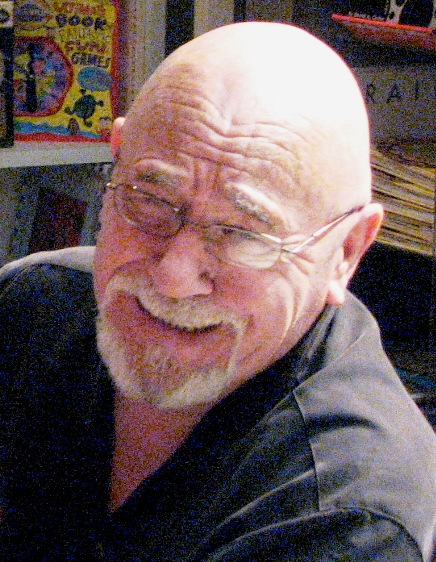
Brian Jacques
James Brian Jacques (/ˈdʒeɪks/, as in "Jakes"; 15 June 1939 – 5 February 2011), known professionally as Brian Jacques, was an English author known for his Redwall series of children's fantasy novels and Castaways of the Flying Dutchman series. He also completed two collections of short stories entitled The Ribbajack & Other Curious Yarns and Seven Strange and Ghostly Tales.
James Brian Jacques was born in Liverpool on 15 June 1939. Jacques' parents were James Alfred Jacques, a truck driver, and Ellen Ryan, both born in Liverpool. His father's family were from Lancashire, his mother's family all had Irish roots. Jacques' maternal grandfather, Matthew Ryan, was from Wexford, Ireland. Jacques was the middle child: he had an older brother, Tony, and a younger brother, James.
Jacques grew up in Kirkdale near to the Liverpool Docks. He was known by his middle name, Brian, because his father and younger brother were also named James. His father loved literature and read his boys adventure stories by Daniel Defoe, Sir Thomas Mallory, Sir Arthur Conan Doyle, Robert Louis Stevenson, and Edgar Rice Burroughs, but also The Wind in the Willows with its cast of animals. Jacques showed early writing talent.
At age ten, assigned to write an animal story, he wrote about a bird that cleaned a crocodile's teeth. His teacher could not believe that a ten-year-old wrote it, and caned him for refusing to admit copying the story. He attended St John's Roman Catholic school in Kirkdale, where his favourite teacher was Austin Thomas, a former Second World War army captain. Thomas had a major impact on Jacques: "I was fourteen at the time when Mr. Thomas introduced the class to poetry and Greek literature. It was because of him, I saved seven shillings and sixpence to buy The Iliad and The Odyssey at this dusty used book shop."
Jacques left school at age fifteen, as was usual at the time, and set out to find adventure as a merchant sailor. When he returned to Liverpool, he began a varied career, spending time as a railway fireman, longshoreman, long-distance truck driver, bus driver, postmaster, and a stand-up entertainer. However, he often visited the local public library to continue his love of reading, and continued to develop his writing abilities. He published a succession of humorous poems and short stories through the 1970s, and in 1981 won a long term Residency at the Everyman Theatre, Liverpool, where his plays Brown Bitter, Wet Nellies and Scouse were performed.
In the 1980s, Jacques worked as a milkman, on a round which included the Royal Wavertree School for the Blind. He got to know the children there, and volunteered to read to them. However, he became dissatisfied with the state of children's literature, with too much adolescent angst, and began to write stories for them. So that the visually impaired children would be able to picture the scenes he was writing for them, he developed a highly descriptive style, emphasizing sound, smell, taste, gravity, balance, temperature, touch, and kinesthetics. From these short stories and reading sessions emerged Redwall, an 800-page handwritten manuscript.
During his time at the Everyman Theatre, Jacques had met and become friends with Alan Durband, an English teacher at C.F. Mott College of Education, a writer, and co-founder of the Everyman. Wanting Durband's opinion of Redwall, Jacques gave him the completed manuscript. Impressed, Durband then showed it to his own publisher without telling Jacques. Durband reportedly told his publishers: "This is the finest children's tale I've ever read, and you'd be foolish not to publish it"; Jacques was summoned to London to meet with the publishers, who gave him a contract to write the next five books in the series.
Redwall was unusual for its length. Although it is now common for children's books to have 350 pages, and the Harry Potter books far exceed that, at the time it was commonly regarded that 200 pages were the maximum that would hold a child's attention. It set the tone for the series as a whole, centering on the triumph of good over evil, with peaceful mice, badgers, voles, hares, moles and squirrels defeating rats, weasels, ferrets, snakes and stoats. Jacques did not shy away from the reality of battle, and many of the "good" creatures die.
Hub AI
Brian Jacques AI simulator
(@Brian Jacques_simulator)
Brian Jacques
James Brian Jacques (/ˈdʒeɪks/, as in "Jakes"; 15 June 1939 – 5 February 2011), known professionally as Brian Jacques, was an English author known for his Redwall series of children's fantasy novels and Castaways of the Flying Dutchman series. He also completed two collections of short stories entitled The Ribbajack & Other Curious Yarns and Seven Strange and Ghostly Tales.
James Brian Jacques was born in Liverpool on 15 June 1939. Jacques' parents were James Alfred Jacques, a truck driver, and Ellen Ryan, both born in Liverpool. His father's family were from Lancashire, his mother's family all had Irish roots. Jacques' maternal grandfather, Matthew Ryan, was from Wexford, Ireland. Jacques was the middle child: he had an older brother, Tony, and a younger brother, James.
Jacques grew up in Kirkdale near to the Liverpool Docks. He was known by his middle name, Brian, because his father and younger brother were also named James. His father loved literature and read his boys adventure stories by Daniel Defoe, Sir Thomas Mallory, Sir Arthur Conan Doyle, Robert Louis Stevenson, and Edgar Rice Burroughs, but also The Wind in the Willows with its cast of animals. Jacques showed early writing talent.
At age ten, assigned to write an animal story, he wrote about a bird that cleaned a crocodile's teeth. His teacher could not believe that a ten-year-old wrote it, and caned him for refusing to admit copying the story. He attended St John's Roman Catholic school in Kirkdale, where his favourite teacher was Austin Thomas, a former Second World War army captain. Thomas had a major impact on Jacques: "I was fourteen at the time when Mr. Thomas introduced the class to poetry and Greek literature. It was because of him, I saved seven shillings and sixpence to buy The Iliad and The Odyssey at this dusty used book shop."
Jacques left school at age fifteen, as was usual at the time, and set out to find adventure as a merchant sailor. When he returned to Liverpool, he began a varied career, spending time as a railway fireman, longshoreman, long-distance truck driver, bus driver, postmaster, and a stand-up entertainer. However, he often visited the local public library to continue his love of reading, and continued to develop his writing abilities. He published a succession of humorous poems and short stories through the 1970s, and in 1981 won a long term Residency at the Everyman Theatre, Liverpool, where his plays Brown Bitter, Wet Nellies and Scouse were performed.
In the 1980s, Jacques worked as a milkman, on a round which included the Royal Wavertree School for the Blind. He got to know the children there, and volunteered to read to them. However, he became dissatisfied with the state of children's literature, with too much adolescent angst, and began to write stories for them. So that the visually impaired children would be able to picture the scenes he was writing for them, he developed a highly descriptive style, emphasizing sound, smell, taste, gravity, balance, temperature, touch, and kinesthetics. From these short stories and reading sessions emerged Redwall, an 800-page handwritten manuscript.
During his time at the Everyman Theatre, Jacques had met and become friends with Alan Durband, an English teacher at C.F. Mott College of Education, a writer, and co-founder of the Everyman. Wanting Durband's opinion of Redwall, Jacques gave him the completed manuscript. Impressed, Durband then showed it to his own publisher without telling Jacques. Durband reportedly told his publishers: "This is the finest children's tale I've ever read, and you'd be foolish not to publish it"; Jacques was summoned to London to meet with the publishers, who gave him a contract to write the next five books in the series.
Redwall was unusual for its length. Although it is now common for children's books to have 350 pages, and the Harry Potter books far exceed that, at the time it was commonly regarded that 200 pages were the maximum that would hold a child's attention. It set the tone for the series as a whole, centering on the triumph of good over evil, with peaceful mice, badgers, voles, hares, moles and squirrels defeating rats, weasels, ferrets, snakes and stoats. Jacques did not shy away from the reality of battle, and many of the "good" creatures die.