



Community hub
Recent from talks
Knowledge base stats:
Talk channels stats:
Members stats:
Caerphilly
Caerphilly (/kəˈfɪli/, /kɑːrˈfɪli/; Welsh: Caerffili, Welsh pronunciation: [ˌkairˈfɪli] ⓘ) is a town and community in Wales. It is situated at the southern end of the Rhymney Valley and separated from the Cardiff suburbs of Lisvane and Rhiwbina by Caerphilly Mountain.
It is 7 miles (11 km) north of Cardiff and 9.5 miles (15.3 km) west of Newport. It is the largest town in Caerphilly County Borough and lies within the historic borders of Glamorgan, on the border with Monmouthshire. At the 2011 Census, the town had a population of 41,402 while the wider Caerphilly local authority area had a population of 178,806.
The name of the town in Welsh, Caerffili, means "the fort (caer) of Ffili". Despite lack of evidence, tradition states that a monastery was built by St Cenydd, a sixth-century Christian hermit from the Gower Peninsula, in the area. The Welsh cantref in the medieval period was known as Senghenydd. It is said that St Cenydd's son, St Ffili, built a fort in the area, giving the town its name. An alternative explanation is that the town was named after the Anglo-Norman Marcher Lord, Philip de Braose.
The town's site has long been of strategic significance. Around AD 75 a fort was built by the Romans during their conquest of Britain. An excavation of the site in 1963 showed that the fort was occupied by Roman forces until the middle of the second century.
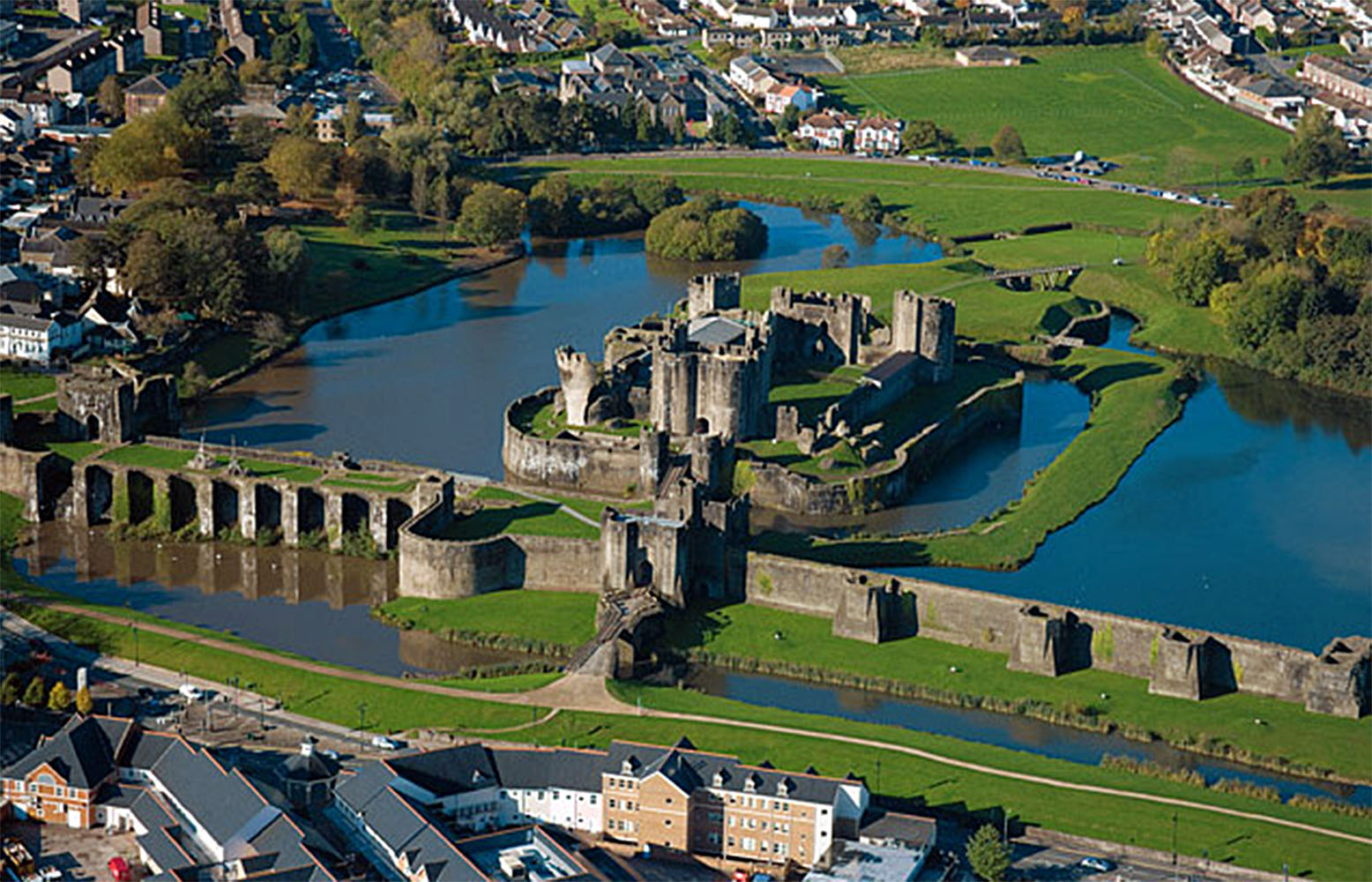
Following the Norman invasion of Wales in the late 11th century, the area of Sengenhydd remained in Welsh hands. By the middle of the 12th century, the area was under the control of the Welsh chieftain Ifor Bach (Ifor ap Meurig). His grandson Gruffydd ap Rhys was the final Welsh lord of Sengenhydd, which fell to the English nobleman Gilbert de Clare, the Red Earl, in 1266. In 1267 Henry III was forced to recognise Llywelyn ap Gruffudd as Prince of Wales, and by September 1268 Llywelyn had secured northern Sengenhydd. Gilbert de Clare had already begun to take steps to consolidate his own territorial gains, beginning the construction of Caerphilly Castle on 11 April 1268. The castle would also act as a buffer against Llewelyn's own territorial ambitions and was attacked by the Prince of Wales' forces before construction was halted in 1270. Construction recommenced in 1271 and was continued under the Red Earl's son, Gilbert de Clare, 8th Earl of Gloucester. With only interior remodelling carried out to the castle by Hugh le Despenser in the 1320s, Caerphilly Castle remains a pure example of 13th-century military architecture and is the largest castle in Wales, and the second largest in Britain (after Windsor).
The original town of Caerphilly grew up as a small settlement established just south of the castle by Gilbert de Clare. After the death of de Clare at the battle of Bannockburn in 1314, Edward II became guardian of de Clare's three sisters and heiresses. In 1315 he replaced de Badlesmere with a new English administrator, Payn de Turberville of Coity, who persecuted the people of Glamorgan. Then, like many in northern Europe at the time, the region was in the throes of a serious famine. In coming to the defence of his people, Llywelyn Bren, the great-grandson of Ifor Bach and Welsh Lord of Senghenydd, incurred the wrath of de Turberville, who charged him with sedition. Llywelyn appealed to Edward II to call off or control his self-interested agent, but Edward ordered Llywelyn to appear before Parliament to face the charge of treason. The King promised Llywelyn that if the charges were found true, he would be hanged. Llywelyn fled and prepared for war. On 28 January 1316, Llywelyn began the revolt with a surprise attack on Caerphilly Castle. He captured the constable outside the castle and the outer ward, but could not break into the inner defences. His forces burned the town, slaughtered some of its inhabitants and started a siege. The town was rebuilt but remained very small throughout the Middle Ages. The first evidence of its emerging importance was the construction of a court house in the 14th century, the only pre-19th-century building, apart from the castle, that remains in the town.
At the beginning of the 15th century the castle was again attacked, this time by Owain Glyndŵr, who took control of it around 1403–5. Repairs to the castle continued until at least 1430, but just a century later the antiquary John Leland recorded that the castle was a ruin set in marshland, with a single tower being used as a prison. In the mid-16th century the 2nd Earl of Pembroke used the castle as a manorial court, but in 1583 the castle was leased to Thomas Lewis, who accelerated its dilapidation by removing stonework to build his nearby manor, the Van. The Lewis family, who claimed descent from Ifor Bach, left the manor in the mid-18th century when they purchased St Fagans Castle, the Van falling into decay.
During the 1700s, Caerphilly began to grow into a market town, and in the 19th century, as the South Wales Valleys underwent massive growth through industrialisation, the town's population grew. Caerphilly railway station was opened in 1871, and in 1899 the Rhymney Railway built its Caerphilly railway works maintenance facilities; however, the expansion of the population in the 19th century was more to do with the increasing market for coal.[citation needed]
Hub AI
Caerphilly AI simulator
(@Caerphilly_simulator)
Caerphilly
Caerphilly (/kəˈfɪli/, /kɑːrˈfɪli/; Welsh: Caerffili, Welsh pronunciation: [ˌkairˈfɪli] ⓘ) is a town and community in Wales. It is situated at the southern end of the Rhymney Valley and separated from the Cardiff suburbs of Lisvane and Rhiwbina by Caerphilly Mountain.
It is 7 miles (11 km) north of Cardiff and 9.5 miles (15.3 km) west of Newport. It is the largest town in Caerphilly County Borough and lies within the historic borders of Glamorgan, on the border with Monmouthshire. At the 2011 Census, the town had a population of 41,402 while the wider Caerphilly local authority area had a population of 178,806.
The name of the town in Welsh, Caerffili, means "the fort (caer) of Ffili". Despite lack of evidence, tradition states that a monastery was built by St Cenydd, a sixth-century Christian hermit from the Gower Peninsula, in the area. The Welsh cantref in the medieval period was known as Senghenydd. It is said that St Cenydd's son, St Ffili, built a fort in the area, giving the town its name. An alternative explanation is that the town was named after the Anglo-Norman Marcher Lord, Philip de Braose.
The town's site has long been of strategic significance. Around AD 75 a fort was built by the Romans during their conquest of Britain. An excavation of the site in 1963 showed that the fort was occupied by Roman forces until the middle of the second century.
Following the Norman invasion of Wales in the late 11th century, the area of Sengenhydd remained in Welsh hands. By the middle of the 12th century, the area was under the control of the Welsh chieftain Ifor Bach (Ifor ap Meurig). His grandson Gruffydd ap Rhys was the final Welsh lord of Sengenhydd, which fell to the English nobleman Gilbert de Clare, the Red Earl, in 1266. In 1267 Henry III was forced to recognise Llywelyn ap Gruffudd as Prince of Wales, and by September 1268 Llywelyn had secured northern Sengenhydd. Gilbert de Clare had already begun to take steps to consolidate his own territorial gains, beginning the construction of Caerphilly Castle on 11 April 1268. The castle would also act as a buffer against Llewelyn's own territorial ambitions and was attacked by the Prince of Wales' forces before construction was halted in 1270. Construction recommenced in 1271 and was continued under the Red Earl's son, Gilbert de Clare, 8th Earl of Gloucester. With only interior remodelling carried out to the castle by Hugh le Despenser in the 1320s, Caerphilly Castle remains a pure example of 13th-century military architecture and is the largest castle in Wales, and the second largest in Britain (after Windsor).
The original town of Caerphilly grew up as a small settlement established just south of the castle by Gilbert de Clare. After the death of de Clare at the battle of Bannockburn in 1314, Edward II became guardian of de Clare's three sisters and heiresses. In 1315 he replaced de Badlesmere with a new English administrator, Payn de Turberville of Coity, who persecuted the people of Glamorgan. Then, like many in northern Europe at the time, the region was in the throes of a serious famine. In coming to the defence of his people, Llywelyn Bren, the great-grandson of Ifor Bach and Welsh Lord of Senghenydd, incurred the wrath of de Turberville, who charged him with sedition. Llywelyn appealed to Edward II to call off or control his self-interested agent, but Edward ordered Llywelyn to appear before Parliament to face the charge of treason. The King promised Llywelyn that if the charges were found true, he would be hanged. Llywelyn fled and prepared for war. On 28 January 1316, Llywelyn began the revolt with a surprise attack on Caerphilly Castle. He captured the constable outside the castle and the outer ward, but could not break into the inner defences. His forces burned the town, slaughtered some of its inhabitants and started a siege. The town was rebuilt but remained very small throughout the Middle Ages. The first evidence of its emerging importance was the construction of a court house in the 14th century, the only pre-19th-century building, apart from the castle, that remains in the town.
At the beginning of the 15th century the castle was again attacked, this time by Owain Glyndŵr, who took control of it around 1403–5. Repairs to the castle continued until at least 1430, but just a century later the antiquary John Leland recorded that the castle was a ruin set in marshland, with a single tower being used as a prison. In the mid-16th century the 2nd Earl of Pembroke used the castle as a manorial court, but in 1583 the castle was leased to Thomas Lewis, who accelerated its dilapidation by removing stonework to build his nearby manor, the Van. The Lewis family, who claimed descent from Ifor Bach, left the manor in the mid-18th century when they purchased St Fagans Castle, the Van falling into decay.
During the 1700s, Caerphilly began to grow into a market town, and in the 19th century, as the South Wales Valleys underwent massive growth through industrialisation, the town's population grew. Caerphilly railway station was opened in 1871, and in 1899 the Rhymney Railway built its Caerphilly railway works maintenance facilities; however, the expansion of the population in the 19th century was more to do with the increasing market for coal.[citation needed]