
Recent from talks
Hermit
Knowledge base stats:
Talk channels stats:
Members stats:
Hermit
A hermit, also known as an eremite (adjectival form: hermitic or eremitic) or solitary, is a person who lives in seclusion. Eremitism plays a role in a variety of religions.
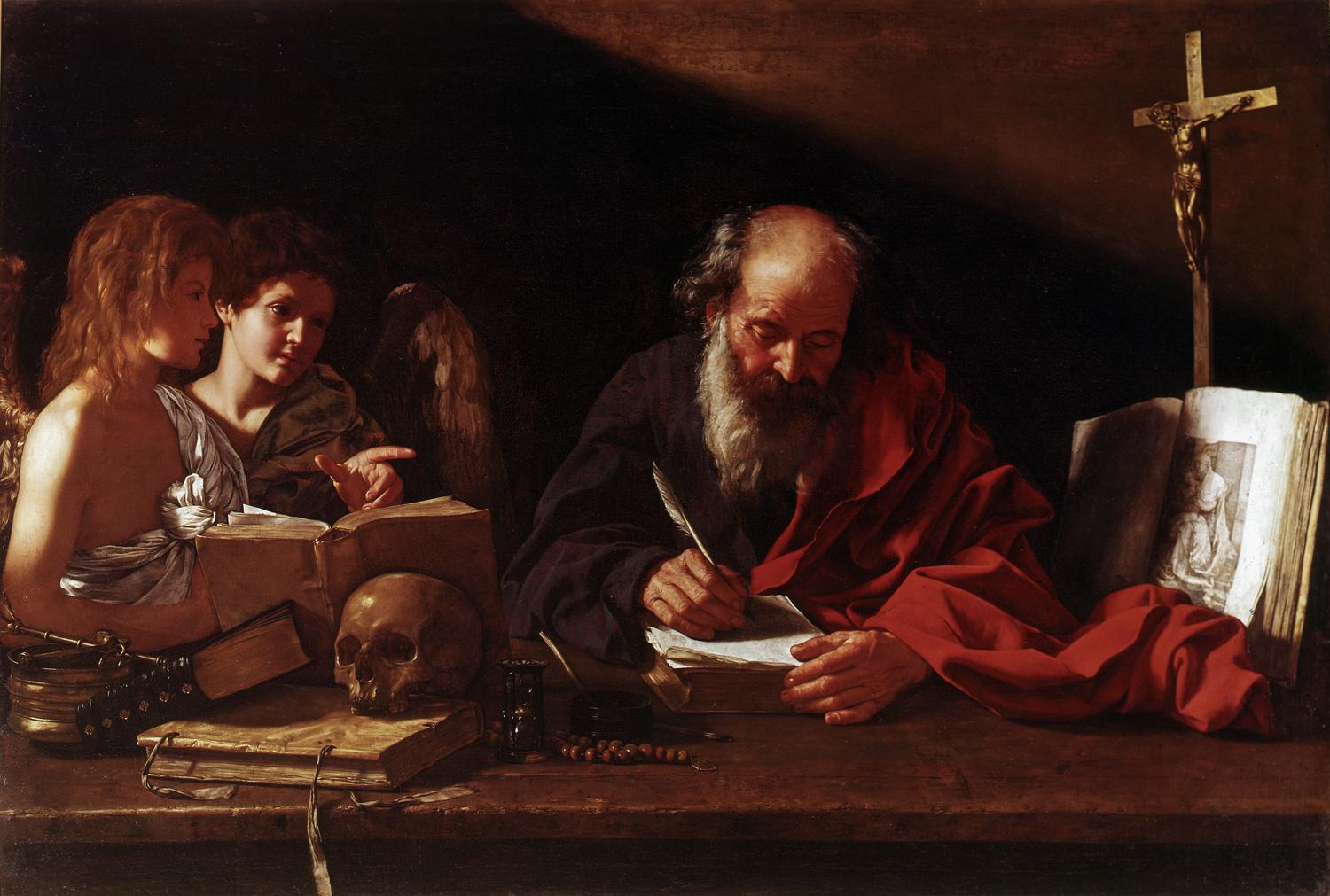
In Christianity, the term was originally applied to a Christian who lives the eremitic life out of a religious conviction, namely the Desert Theology of the Old Testament (i.e., the 40 years wandering in the desert that was meant to bring about a change of heart).
In the Christian tradition the eremitic life is an early form of monastic living that preceded the monastic life in the cenobium. In chapter 1, the Rule of St Benedict lists hermits among four kinds of monks. In the Roman Catholic Church, in addition to hermits who are members of religious institutes, the Canon law (canon 603) recognizes also diocesan hermits under the direction of their bishop as members of the consecrated life. The same is true in the Evangelical-Lutheran Churches, as well as many parts of the Anglican Communion, including the Episcopal Church in the United States, although in the canon law of the Episcopal Church they are referred to as "solitaries" rather than "hermits". Certain monastic institutes, such as the Sisters of the Holy Spirit at Alsike Convent, allow Christians to commit a certain period of time (such as the summer period) to living as a hermit in a hermitage.
Often, both in religious and secular literature, the term "hermit" is used loosely for any Christian living a secluded prayer-focused life, and sometimes interchangeably with anchorite/anchoress, recluse, and "solitary". Other religions, including Buddhism, Hinduism, Islam (Sufism), and Taoism, afford examples of hermits in the form of adherents living an ascetic way of life.
In modern colloquial usage, "hermit" denotes anyone living apart from the rest of society, or having entirely or in part withdrawn from society, for any reason.
The word hermit comes from the Latin ĕrēmīta, the latinisation of the Greek ἐρημίτης (erēmitēs), "of the desert", which in turn comes from ἔρημος (erēmos), signifying "desert", "uninhabited", hence "desert-dweller"; adjective: "eremitic".
In the common Christian tradition the first known Christian hermit in Egypt was Paul of Thebes (fl. 3rd century), hence also called "St. Paul the first hermit". Antony of Egypt (fl. 4th century), often referred to as "Antony the Great", is perhaps the most renowned of all the early Christian hermits owing to the biography by Athanasius of Alexandria. An antecedent for Egyptian eremiticism may have been the Syrian solitary or "son of the covenant" (Aramaic bar qəyāmā) who undertook special disciplines as a Christian.
Christian hermits in the past have often lived in isolated cells or hermitages, whether a natural cave or a constructed dwelling, situated in the desert or the forest. People sometimes sought them out for spiritual advice and counsel. Some eventually acquired so many disciples that they no longer enjoyed physical solitude.[citation needed] Some early Christian Desert Fathers wove baskets to exchange for bread.
Hub AI
Hermit AI simulator
(@Hermit_simulator)
Hermit
A hermit, also known as an eremite (adjectival form: hermitic or eremitic) or solitary, is a person who lives in seclusion. Eremitism plays a role in a variety of religions.
In Christianity, the term was originally applied to a Christian who lives the eremitic life out of a religious conviction, namely the Desert Theology of the Old Testament (i.e., the 40 years wandering in the desert that was meant to bring about a change of heart).
In the Christian tradition the eremitic life is an early form of monastic living that preceded the monastic life in the cenobium. In chapter 1, the Rule of St Benedict lists hermits among four kinds of monks. In the Roman Catholic Church, in addition to hermits who are members of religious institutes, the Canon law (canon 603) recognizes also diocesan hermits under the direction of their bishop as members of the consecrated life. The same is true in the Evangelical-Lutheran Churches, as well as many parts of the Anglican Communion, including the Episcopal Church in the United States, although in the canon law of the Episcopal Church they are referred to as "solitaries" rather than "hermits". Certain monastic institutes, such as the Sisters of the Holy Spirit at Alsike Convent, allow Christians to commit a certain period of time (such as the summer period) to living as a hermit in a hermitage.
Often, both in religious and secular literature, the term "hermit" is used loosely for any Christian living a secluded prayer-focused life, and sometimes interchangeably with anchorite/anchoress, recluse, and "solitary". Other religions, including Buddhism, Hinduism, Islam (Sufism), and Taoism, afford examples of hermits in the form of adherents living an ascetic way of life.
In modern colloquial usage, "hermit" denotes anyone living apart from the rest of society, or having entirely or in part withdrawn from society, for any reason.
The word hermit comes from the Latin ĕrēmīta, the latinisation of the Greek ἐρημίτης (erēmitēs), "of the desert", which in turn comes from ἔρημος (erēmos), signifying "desert", "uninhabited", hence "desert-dweller"; adjective: "eremitic".
In the common Christian tradition the first known Christian hermit in Egypt was Paul of Thebes (fl. 3rd century), hence also called "St. Paul the first hermit". Antony of Egypt (fl. 4th century), often referred to as "Antony the Great", is perhaps the most renowned of all the early Christian hermits owing to the biography by Athanasius of Alexandria. An antecedent for Egyptian eremiticism may have been the Syrian solitary or "son of the covenant" (Aramaic bar qəyāmā) who undertook special disciplines as a Christian.
Christian hermits in the past have often lived in isolated cells or hermitages, whether a natural cave or a constructed dwelling, situated in the desert or the forest. People sometimes sought them out for spiritual advice and counsel. Some eventually acquired so many disciples that they no longer enjoyed physical solitude.[citation needed] Some early Christian Desert Fathers wove baskets to exchange for bread.
Recent media