
Recent from talks
Camilo Osías
Knowledge base stats:
Talk channels stats:
Members stats:
Camilo Osías
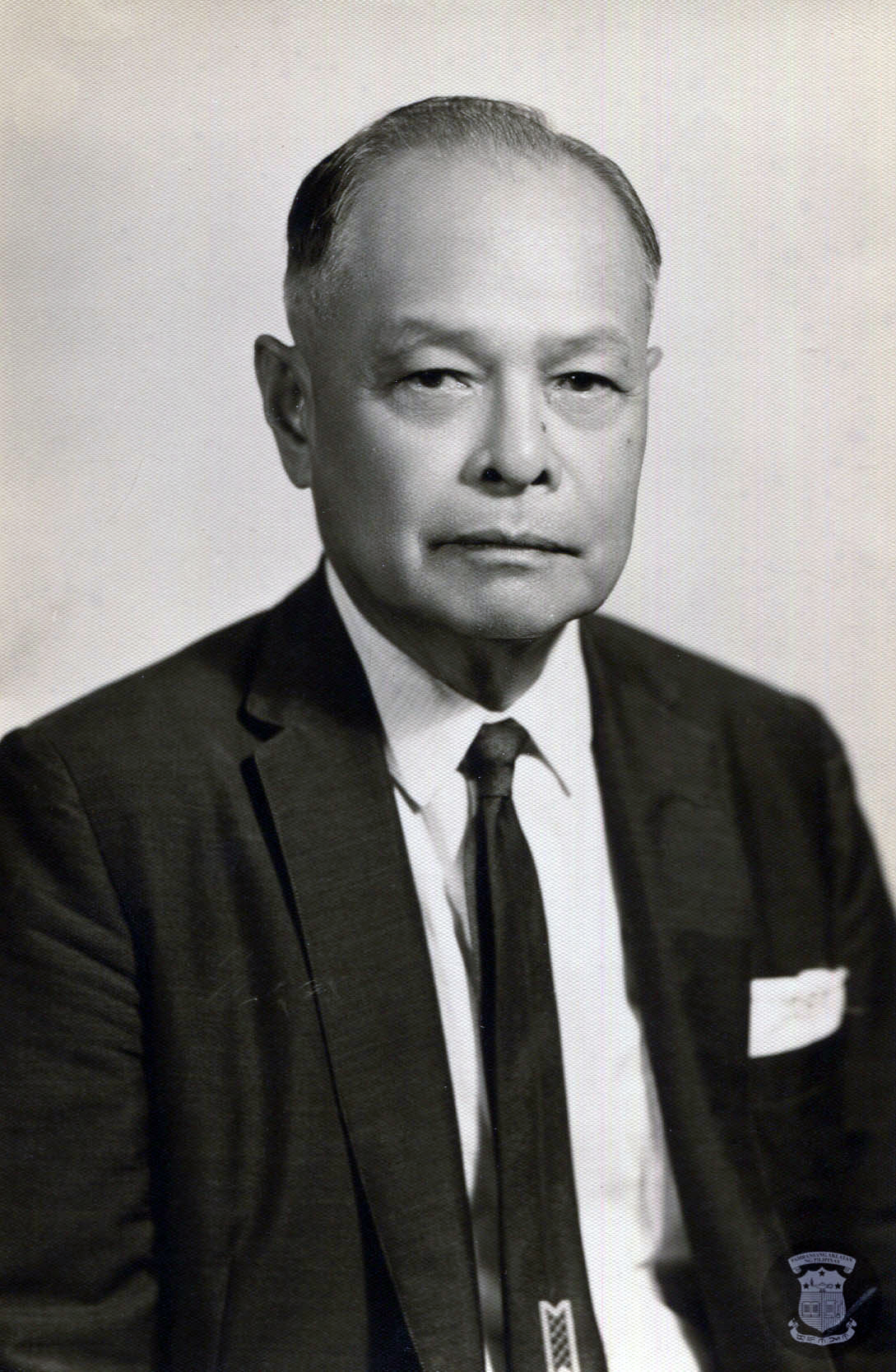
Camilo Osías y Olaviano (March 23, 1889 – May 20, 1976), was a Filipino politician, twice for a short time President of the Senate of the Philippines. Along with American Mary A. Lane, Osías translated into English the poem Filipinas that was set to the Marcha Nacional Filipina, producing the Philippine Hymn, now the national anthem Lupang Hinirang. Until June 2026, Osías held the record for the second-shortest total tenure as Senate President at 26 days due to party changes after the war in 1952-1953, with each term lasting 13 days, making either the shortest single term in history.
Osías attended school in Balaoan, Vigan and San Fernando, and was selected a government scholar to the United States in 1905. He studied at the University of Chicago in 1906 and 1907. He graduated from the Western Illinois State Teachers College at Macomb, Illinois in 1908, and from the Teachers College of Columbia University in New York City in 1910.
On his return to the Philippines, he taught and later assumed various administrative positions, particularly in the field of education. He successively became the first Filipino Superintendent of Schools (1915 to 1916), Assistant Director of Education (1917 to 1921), a lecturer at the University of the Philippines (1919 to 1921), and President of National University (1921–1936), a private institution.
Osías then entered national politics. He was a member of the first Philippine mission to the United States from 1919 to 1920. He was elected to the Philippine Senate in 1925, and as a Nacionalista, until he resigned to become a Resident Commissioner in the United States House of Representatives in 1929. He was reelected as Resident Commissioner in 1931 and served until January 3, 1935, when his term expired in accordance with the new government of the Philippine Commonwealth. In 1934, he was an unsuccessful candidate for election to the Philippine Senate, but became a member of the Constitutional Convention in 1934, and a member of the first National Assembly for La Union's 1st district in 1935. In 1939, he was a member of the Economic Mission to the United States, and chairman of the Educational Mission between 1938 and 1941.
Back in the Philippines, Osías became chairman of the National Council of Education in 1941, Director of Publicity and Propaganda until January 1942, chairman of the National Cooperative Administration in 1941, later Assistant Commissioner of the Ministry of Education, Health, and Public Welfare, then Minister of Education until 1945. He was also Chancellor of Osías Colleges. He was elected again to the Philippine Senate in 1947 for a term expiring in 1953. He served two brief terms as President of the Senate of the Philippines (in 1952 and 1953), both of which began with the ouster of his predecessor and ended with his own. His first stint from April 17 to 30, 1952, remains the shortest term for a Senate President in the history of the chamber to date. He was the Philippines' representative to the Inter-Parliamentary Union in Rome and to the International Trade Conference in Genoa in 1948. He ran for reelection in 1953, but lost and again in 1955. He was elected again, this time as a Liberal to the Philippine Senate (1961–1967), and served as president pro tempore. He was a resident of Mandaluyong, Rizal (since incorporated into Metro Manila), until his death.
On April 12, 1953, Osias, being a prominent figure in the Nacionalista Party, lost the presidential nomination to Ramon Magsaysay at the Nacionalista Convention. Despite his experience and contributions to the party, Osias faced challenges due to his religious affiliation, being a Protestant to a Catholic-majority country, and the overwhelming popularity of Magsaysay. Feeling disrespected and defeated, Osias eventually switched to the Liberal Party.
Osías was married to Ildefonsa Cuaresma, a former public school teacher from Bacnotan, near his hometown, in 1914. The couple raised seven children, Camilo Jr., Salvador, Victor, Apolinario, Rebecca, Benjamin and Rosita. After more than 20 years of marriage, Camilo divorced Ildefonsa and married Avelina Lorenzana in Reno, Nevada. That marriage produced no children.
Camilo Osías St. in New Haven Subdivision, Quezon City was named after the senator.
Hub AI
Camilo Osías AI simulator
(@Camilo Osías_simulator)
Camilo Osías
Camilo Osías y Olaviano (March 23, 1889 – May 20, 1976), was a Filipino politician, twice for a short time President of the Senate of the Philippines. Along with American Mary A. Lane, Osías translated into English the poem Filipinas that was set to the Marcha Nacional Filipina, producing the Philippine Hymn, now the national anthem Lupang Hinirang. Until June 2026, Osías held the record for the second-shortest total tenure as Senate President at 26 days due to party changes after the war in 1952-1953, with each term lasting 13 days, making either the shortest single term in history.
Osías attended school in Balaoan, Vigan and San Fernando, and was selected a government scholar to the United States in 1905. He studied at the University of Chicago in 1906 and 1907. He graduated from the Western Illinois State Teachers College at Macomb, Illinois in 1908, and from the Teachers College of Columbia University in New York City in 1910.
On his return to the Philippines, he taught and later assumed various administrative positions, particularly in the field of education. He successively became the first Filipino Superintendent of Schools (1915 to 1916), Assistant Director of Education (1917 to 1921), a lecturer at the University of the Philippines (1919 to 1921), and President of National University (1921–1936), a private institution.
Osías then entered national politics. He was a member of the first Philippine mission to the United States from 1919 to 1920. He was elected to the Philippine Senate in 1925, and as a Nacionalista, until he resigned to become a Resident Commissioner in the United States House of Representatives in 1929. He was reelected as Resident Commissioner in 1931 and served until January 3, 1935, when his term expired in accordance with the new government of the Philippine Commonwealth. In 1934, he was an unsuccessful candidate for election to the Philippine Senate, but became a member of the Constitutional Convention in 1934, and a member of the first National Assembly for La Union's 1st district in 1935. In 1939, he was a member of the Economic Mission to the United States, and chairman of the Educational Mission between 1938 and 1941.
Back in the Philippines, Osías became chairman of the National Council of Education in 1941, Director of Publicity and Propaganda until January 1942, chairman of the National Cooperative Administration in 1941, later Assistant Commissioner of the Ministry of Education, Health, and Public Welfare, then Minister of Education until 1945. He was also Chancellor of Osías Colleges. He was elected again to the Philippine Senate in 1947 for a term expiring in 1953. He served two brief terms as President of the Senate of the Philippines (in 1952 and 1953), both of which began with the ouster of his predecessor and ended with his own. His first stint from April 17 to 30, 1952, remains the shortest term for a Senate President in the history of the chamber to date. He was the Philippines' representative to the Inter-Parliamentary Union in Rome and to the International Trade Conference in Genoa in 1948. He ran for reelection in 1953, but lost and again in 1955. He was elected again, this time as a Liberal to the Philippine Senate (1961–1967), and served as president pro tempore. He was a resident of Mandaluyong, Rizal (since incorporated into Metro Manila), until his death.
On April 12, 1953, Osias, being a prominent figure in the Nacionalista Party, lost the presidential nomination to Ramon Magsaysay at the Nacionalista Convention. Despite his experience and contributions to the party, Osias faced challenges due to his religious affiliation, being a Protestant to a Catholic-majority country, and the overwhelming popularity of Magsaysay. Feeling disrespected and defeated, Osias eventually switched to the Liberal Party.
Osías was married to Ildefonsa Cuaresma, a former public school teacher from Bacnotan, near his hometown, in 1914. The couple raised seven children, Camilo Jr., Salvador, Victor, Apolinario, Rebecca, Benjamin and Rosita. After more than 20 years of marriage, Camilo divorced Ildefonsa and married Avelina Lorenzana in Reno, Nevada. That marriage produced no children.
Camilo Osías St. in New Haven Subdivision, Quezon City was named after the senator.
Recent media