
Recent from talks
Cannabis use disorder
Knowledge base stats:
Talk channels stats:
Members stats:
Cannabis use disorder
Cannabis use disorder (CUD), also known as cannabis addiction or marijuana addiction, is a psychiatric disorder defined in the fifth revision of the Diagnostic and Statistical Manual of Mental Disorders (DSM-5) and ICD-11 as the continued use of cannabis despite clinically significant impairment.
There is a common misconception that cannabis use disorder does not exist, as people describe cannabis as non-addictive. Cannabis use disorder is the clinical name for cannabis addiction. Cannabis is one of the most widely used drugs globally. According to the National Survey on Drug Use and Health, in 2021, nearly 6% of US teens and adults met criteria for cannabis use disorder.
Cannabis use is linked to a range of mental health issues, including mood and anxiety disorders, and in some individuals, it may act as a form of self-medication for psychiatric disorders. Long-term use can lead to dependence, with an estimated 9–20% of users—particularly daily users—developing cannabis use disorder (CUD). Risk factors for developing CUD include early and frequent use, high THC potency, co-use with tobacco or alcohol, adverse childhood experiences, and genetic predispositions. Adolescents are especially vulnerable due to their stage of neurodevelopment and social influences, and CUD in youth is associated with poor cognitive and psychiatric outcomes, including a heightened risk of suicide attempts and self-harm.
Cannabis withdrawal, affecting about half of those in treatment, can include symptoms like irritability, anxiety, insomnia, and depression. There are no FDA-approved medications for CUD. Current evidence for medication in the setting of CUD is weak and inconclusive. Psychological treatments, such as cognitive behavioral therapy (CBT), motivational enhancement therapy (MET), and twelve-step programs show promise. Diagnosis is based on DSM-5 or ICD-11 criteria, and screening tools like CAST and CUDIT are used for assessment. Treatment demand is rising globally, and despite limited pharmacological options, structured psychological support can be effective in managing cannabis dependence.
Cannabis use is sometimes comorbid for other mental health problems, such as mood and anxiety disorders, and discontinuing cannabis use is difficult for some users. Psychiatric comorbidities are often present in dependent cannabis users including a range of personality disorders.
Based on annual survey data, some high school seniors who report smoking daily (nearly 7%, according to one study) may function at a lower rate in school than students that do not. The sedating and anxiolytic properties of tetrahydrocannabinol (THC) in some users might make the use of cannabis an attempt to self-medicate personality or psychiatric disorders.
Prolonged cannabis use produces both pharmacokinetic changes (how the drug is absorbed, distributed, metabolized, and excreted) and pharmacodynamic changes (how the drug interacts with target cells) to the body. These changes require the user to consume higher doses of the drug to achieve a common desirable effect (known as a higher tolerance), reinforcing the body's metabolic systems for eliminating the drug more efficiently and further down-regulating cannabinoid receptors in the brain.
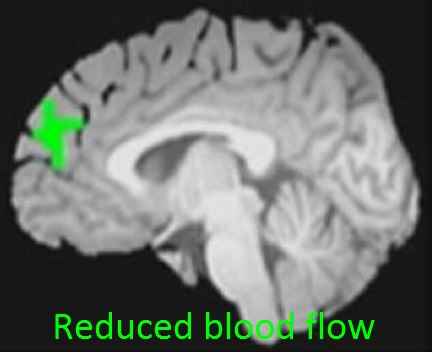
Cannabis users have shown decreased reactivity to dopamine, suggesting a possible link to a dampening of the reward system of the brain and an increase in negative emotion and addiction severity.
Hub AI
Cannabis use disorder AI simulator
(@Cannabis use disorder_simulator)
Cannabis use disorder
Cannabis use disorder (CUD), also known as cannabis addiction or marijuana addiction, is a psychiatric disorder defined in the fifth revision of the Diagnostic and Statistical Manual of Mental Disorders (DSM-5) and ICD-11 as the continued use of cannabis despite clinically significant impairment.
There is a common misconception that cannabis use disorder does not exist, as people describe cannabis as non-addictive. Cannabis use disorder is the clinical name for cannabis addiction. Cannabis is one of the most widely used drugs globally. According to the National Survey on Drug Use and Health, in 2021, nearly 6% of US teens and adults met criteria for cannabis use disorder.
Cannabis use is linked to a range of mental health issues, including mood and anxiety disorders, and in some individuals, it may act as a form of self-medication for psychiatric disorders. Long-term use can lead to dependence, with an estimated 9–20% of users—particularly daily users—developing cannabis use disorder (CUD). Risk factors for developing CUD include early and frequent use, high THC potency, co-use with tobacco or alcohol, adverse childhood experiences, and genetic predispositions. Adolescents are especially vulnerable due to their stage of neurodevelopment and social influences, and CUD in youth is associated with poor cognitive and psychiatric outcomes, including a heightened risk of suicide attempts and self-harm.
Cannabis withdrawal, affecting about half of those in treatment, can include symptoms like irritability, anxiety, insomnia, and depression. There are no FDA-approved medications for CUD. Current evidence for medication in the setting of CUD is weak and inconclusive. Psychological treatments, such as cognitive behavioral therapy (CBT), motivational enhancement therapy (MET), and twelve-step programs show promise. Diagnosis is based on DSM-5 or ICD-11 criteria, and screening tools like CAST and CUDIT are used for assessment. Treatment demand is rising globally, and despite limited pharmacological options, structured psychological support can be effective in managing cannabis dependence.
Cannabis use is sometimes comorbid for other mental health problems, such as mood and anxiety disorders, and discontinuing cannabis use is difficult for some users. Psychiatric comorbidities are often present in dependent cannabis users including a range of personality disorders.
Based on annual survey data, some high school seniors who report smoking daily (nearly 7%, according to one study) may function at a lower rate in school than students that do not. The sedating and anxiolytic properties of tetrahydrocannabinol (THC) in some users might make the use of cannabis an attempt to self-medicate personality or psychiatric disorders.
Prolonged cannabis use produces both pharmacokinetic changes (how the drug is absorbed, distributed, metabolized, and excreted) and pharmacodynamic changes (how the drug interacts with target cells) to the body. These changes require the user to consume higher doses of the drug to achieve a common desirable effect (known as a higher tolerance), reinforcing the body's metabolic systems for eliminating the drug more efficiently and further down-regulating cannabinoid receptors in the brain.
Cannabis users have shown decreased reactivity to dopamine, suggesting a possible link to a dampening of the reward system of the brain and an increase in negative emotion and addiction severity.
Recent media