Recent from talks
Contribute something
Nothing was collected or created yet.
Sedation
View on WikipediaThis article needs additional citations for verification. (February 2022) |

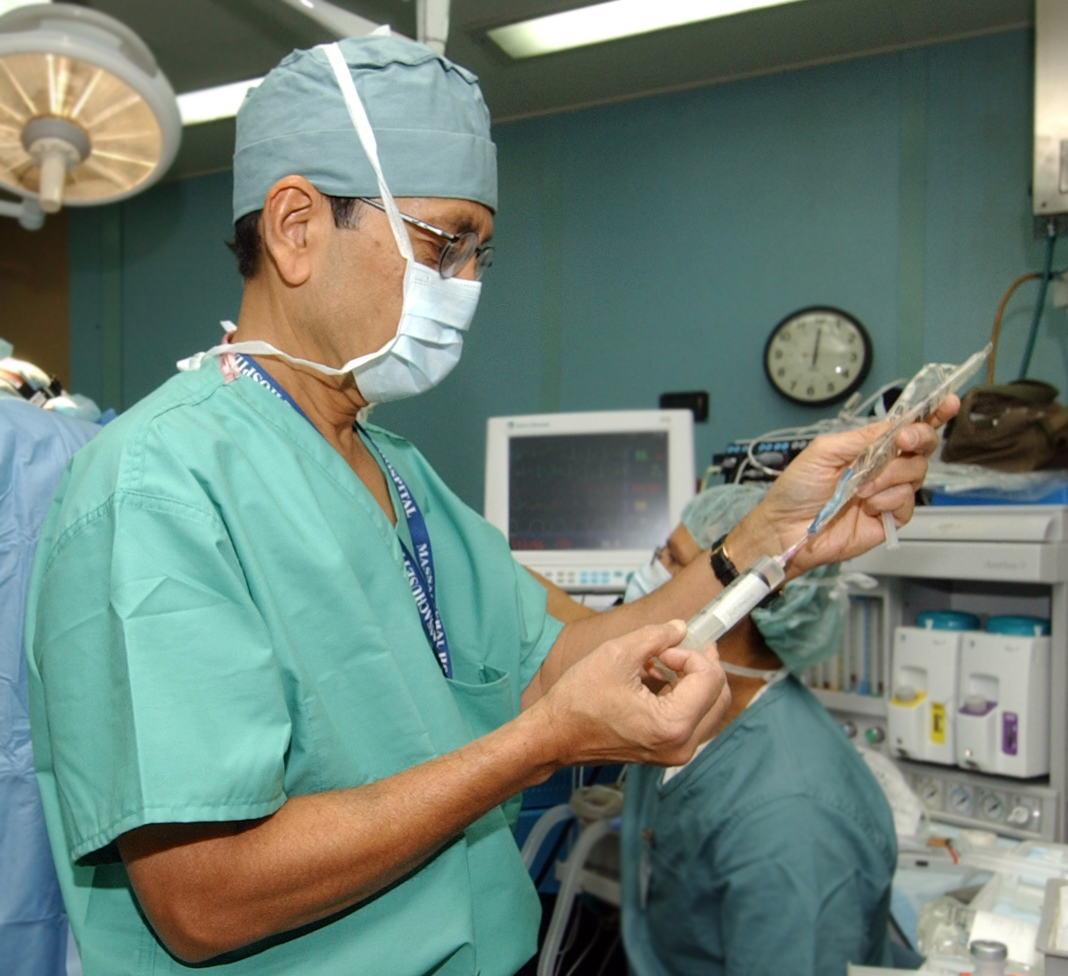
Sedation is the reduction of irritability or agitation by administration of sedative drugs, generally to facilitate a medical procedure or diagnostic procedure. Examples of drugs which can be used for sedation include isoflurane, diethyl ether, propofol, etomidate, ketamine, pentobarbital, lorazepam and midazolam.[1]
Medical uses
[edit]Sedation is typically used in minor surgical procedures such as endoscopy, vasectomy, or dentistry and for reconstructive surgery, some cosmetic surgeries, removal of wisdom teeth, or for high-anxiety patients.[2] Sedation methods in dentistry include inhalation sedation (using nitrous oxide), oral sedation, and intravenous (IV) sedation. Inhalation sedation is also sometimes referred to as "relative analgesia".[citation needed]
Sedation is also used extensively in the intensive care unit so that patients who are being ventilated tolerate having an endotracheal tube in their trachea. It can also be used during a long term brain EEG to help patient relax.[citation needed]
Risks
[edit]There are studies claiming that sedation accounts for 40 percent to 50 percent procedure-related complications.[3] Airway obstruction, apnea, and hypotension are not uncommon during sedation and require the presence of health professionals who are suitably trained to detect and manage these problems. Aside from the respiratory depression, risks also include unintended levels of sedation, postoperative somnolence, aspiration,[4] and adverse reactions to sedation medications.[5] Complications could also include perforation, bleeding, and the stimulation of vasovagal reflexes.[6] To avoid sedation risks, care providers conduct a thorough pre-sedation evaluation and this process includes pre-sedation history and physicals with emphasis on the determining characteristics that indicate potential risks to the patient and potential difficult airway management.[7] This process can also reveal if the sedation period needs to be prolonged or additional therapeutic procedures are required.[8]
Levels of sedation
[edit]Sedation scales are used in medical situations in conjunction with a medical history in assessing the applicable degree of sedation in patients in order to avoid under-sedation (the patient risks experiencing pain or distress) and over-sedation (the patient risks side effects such as suppression of breathing, which might lead to death).[citation needed]
Examples of sedation scales include MSAT (Minnesota Sedation Assessment Tool), UMSS (University of Michigan Sedation Scale), the Ramsay Scale (Ramsay, et al. 1974) and the RASS (Richmond Agitation-Sedation Scale).[citation needed]
The American Society of Anesthesiologists defines the continuum of sedation as follows:[9]
- Minimal sedation – normal response to verbal stimuli.
- Moderate sedation – purposeful response to verbal/tactile stimulation. (This is usually referred to as "conscious sedation")
- Deep sedation – purposeful response to repeated or painful stimulation.
- General anesthesia – unarousable even with painful stimulus.
In the United Kingdom, deep sedation is considered to be a part of the spectrum of general anesthesia, as opposed to conscious sedation.
In addition to the aforementioned precautions, patients should be interviewed to determine if they have any other condition that may lead to complications while undergoing treatment. Any head, neck, or spinal cord injuries should be noted as well as any diagnosis of osteoporosis.[citation needed]
Intravenous sedation
[edit]The most common standard conscious sedation technique for adults is intravenous sedation using Midazolam.
Indications:[citation needed]
- Reduced dental anxiety and phobia
- Traumatic or prolonged dental procedures
- Patients with gag reflex
- Medical conditions potentially aggravated by the stress of dental treatment
- Special care (mild intellectual or physical disability)
- Some disorders involving its spasticity due to its muscle relaxant properties
Contraindications:[citation needed]
- Uncooperative patient
- Psychologically immature individuals
- Patients unable to provide a suitable escort
- Difficult oral surgery or prolonged surgical procedure
- Muscle diseases or diseases which cause muscle wastage
- ASA III or above
- Allergy or hypersensitivity to benzodiazepines
- Pregnancy and breast feeding
- History of psychiatric disorders
- Kidney or liver dysfunction
- Acute pulmonary insufficiency
- Preexisting respiratory conditions as patients are susceptible to respiratory depression
- Alcohol or drug addiction
- Lack of visible superficial veins
Sedation for pediatric patients
[edit]This section may require cleanup to meet Wikipedia's quality standards. The specific problem is: Grammar, formatting. (December 2023) |
Present drugs commonly used to sedate children: Methohexital; Thiopental; Benzodiazepines; Diazepam; Midazolam; Ketamine; Opioids; Morphine; Meperidine; Fentanyl.
Whenever it is necessary to sedate a child, one must consider the type of procedure planned (painful or nonpainful), the duration of the procedure (important in choosing the appropriate sedative), the underlying medical condition of the patient (proper fasting, contracted blood volume, interaction with other medications, and intact mechanisms of drug elimination), the need for anxiolysis or narcosis, and experience with alternative techniques or routes of administration.
A child undergoing a procedure that is nonpainful (e.g., CT scan or small laceration infiltrated with local anesthetic) does not require a narcotic. Conversely, a child undergoing a painful procedure may require an opioid.[10]
See also
[edit]References
[edit]- ^ Brown, TB.; Lovato, LM.; Parker, D. (Jan 2005). "Procedural sedation in the acute care setting". Am Fam Physician. 71 (1): 85–90. PMID 15663030.
- ^ "Sedation Dentistry for Anxious Patients". Archived from the original on 2014-09-23. Retrieved 2014-09-11.
- ^ Vargo, John (2016). Sedation and Monitoring in Gastrointestinal Endoscopy, An Issue of Gastrointestinal Endoscopy Clinics of North America. Philadelphia, PA: Elsevier Health Sciences. p. 465. ISBN 9780323448451.
- ^ Odom-Forren, Jan; Watson, Donna (2005). Practical Guide to Moderate Sedation/analgesia. St. Louis, MO: Elsevier Mosby. p. 84. ISBN 0323020240.
- ^ Vargo, John (2016). Sedation and Monitoring in Gastrointestinal Endoscopy, An Issue of Gastrointestinal Endoscopy Clinics of North America. Philadelphia, PA: Elsevier Health Sciences. p. 554. ISBN 9780323448451.
- ^ Skelly, Meg; Palmer, Diane (2006). Conscious Sedation: A Handbook for Nurse Practitioners. London: Whurr Publishers. pp. 69]. ISBN 1861562667.
- ^ Mason, Keira (2011). Pediatric Sedation Outside of the Operating Room: A Multispecialty International Collaboration. New York: Springer. p. 166. ISBN 9780387097138.
- ^ Winter, Harland; Murphy, Stephen; Mougenot, Jean Francois; Cadranel, Samy (2006). Pediatric Gastrointestinal Endoscopy: Textbook and Atlas. Hamilton, Ontario: BC Decker Inc. p. 59. ISBN 1550092235.
- ^ "Continuum of Depth of Sedation: Definition of general anesthesia and levels of sedation/analgesia". American Society of Anesthesiologists. 21 October 2009. Archived from the original (pdf) on 2010-11-20. Retrieved 2010-11-29.
- ^ Coté, Charles J. (February 1994). "Sedation for the Pediatric Patient: A Review". Pediatric Clinics of North America. 41 (1): 31–58. doi:10.1016/S0031-3955(16)38690-4.
External links
[edit]Sedation
View on GrokipediaOverview and Fundamentals
Definition and Purpose
Sedation refers to a medically induced state of calm, relaxation, or partial suppression of consciousness, achieved through the administration of sedative medications to alleviate anxiety, discomfort, or awareness during diagnostic or therapeutic procedures, while generally preserving the patient's responsiveness to verbal commands or light tactile stimulation.[3] This state, often termed conscious or procedural sedation, allows patients to tolerate interventions that might otherwise be distressing, without progressing to full unconsciousness.[4] The primary purposes of sedation in clinical practice include facilitating the performance of minor surgical, diagnostic, or therapeutic procedures, such as endoscopies or wound repairs, by minimizing patient movement and distress; serving as an adjunct to analgesia for pain control during these interventions; and aiding behavioral management in uncooperative or agitated patients, including children or those with cognitive impairments.[8] These objectives enhance procedural efficiency and patient comfort, contributing to safer and more effective medical care. In the United States, procedural sedation is utilized in over 20 million invasive procedures annually, underscoring its widespread application across healthcare settings.[9] Sedation is distinct from natural sleep, a physiological restorative process driven by endogenous mechanisms rather than external drugs; from hypnosis, which induces relaxation through psychological suggestion without pharmacological alteration of consciousness; and from general anesthesia, a deeper intervention that eliminates protective airway reflexes and requires airway management due to complete unresponsiveness.[3] The concept of sedation has evolved from its origins in early 20th-century pharmacology, where barbiturates were first employed as sedative-hypnotics for calming effects, to the contemporary understanding of sedation as a dynamic continuum ranging from minimal anxiolysis to deeper states approaching anesthesia.[10] This modern framework, formalized by the American Society of Anesthesiologists in the mid-1990s, emphasizes individualized dosing to navigate the spectrum safely.[11]Historical Context
The use of natural sedatives dates back to ancient civilizations, where opium from the Papaver somniferum plant was employed for its calming and pain-relieving effects. Sumerian records from around 3400 BCE document the cultivation of opium poppies for medicinal purposes, including sedation.[12] In ancient Egypt, the Ebers Papyrus, dating to approximately 1550 BCE, describes opium mixtures used to sedate children and alleviate distress.[13] Alcohol, derived from fermented beverages, was also widely utilized across Mesopotamian, Egyptian, and Greek societies for inducing relaxation and managing anxiety, often in ritual or therapeutic contexts.[14] The 19th century marked significant advancements with the introduction of synthetic sedatives, expanding beyond natural substances. Potassium bromide emerged in the 1850s as one of the first chemical sedatives, initially used for epilepsy but adopted for its calming properties in psychiatric care.[15] Chloral hydrate, synthesized in 1832 and introduced clinically in 1869 by Mathias Liebreich, became the first widely used hypnotic agent for inducing sleep without the risks associated with opium.[16] Barbiturates followed in 1903 with the synthesis of barbital by Emil Fischer and Joseph von Mering, representing the initial class of synthetic sedatives that offered more predictable dosing but carried risks of overdose and dependence.[16] In the mid-20th century, the development of benzodiazepines in the 1950s revolutionized sedation by providing safer alternatives to barbiturates. Chlordiazepoxide, the first benzodiazepine, was synthesized in 1955 and approved in 1960, offering anxiolytic effects with lower toxicity and reduced respiratory depression.[17] This shift was accelerated by the thalidomide tragedy of the early 1960s, where the sedative's link to severe birth defects prompted global regulatory reforms, emphasizing rigorous safety testing and favoring agents like benzodiazepines over riskier options.[18] The late 20th and early 21st centuries saw further refinements in sedation practices, including the adoption of the continuum of depth of sedation model by the American Society of Anesthesiologists in 1999, which standardized levels from minimal to deep sedation for safer procedural use.[19] Propofol, introduced in Europe in 1986 and approved in the US in 1989, gained prominence for its rapid onset and short duration, transforming ambulatory anesthesia.[20] Dexmedetomidine, an alpha-2 agonist approved by the FDA in 1999, emerged as a selective sedative sparing respiratory function, particularly in intensive care.[21] Key milestones included the 1985 publication of the Mallampati classification, which improved airway risk assessment during sedation.[22] In the 2010s, FDA warnings in 2016 highlighted neurodevelopmental risks of prolonged sedation in young children, influencing pediatric protocols.[23] Amid the opioid crisis, the 2020s emphasized non-opioid alternatives to mitigate addiction risks.[24] Post-2000 developments featured target-controlled infusion systems, with second-generation pumps approved in 2003 for precise drug delivery based on pharmacokinetic models.[25] By 2022–2025, AI-assisted dosing systems began integrating real-time patient data for automated adjustments, enhancing safety in closed-loop anesthesia.[26]Pharmacological and Physiological Basis
Sedative Agents and Classes
Sedative agents are categorized into several major classes based on their chemical structure, primary mechanisms, and clinical applications, with selection guided by factors such as procedure duration, patient age, and comorbidities.[27] Benzodiazepines represent one of the most commonly used classes for sedation, providing anxiolysis, amnesia, and sedation through enhancement of GABA activity. Midazolam, a prototypical short-acting benzodiazepine, exhibits an onset of action within 1 to 5 minutes when administered intravenously and has an elimination half-life of approximately 1 to 4 hours, making it suitable for brief procedures.[28] Barbiturates, such as phenobarbital, were historically employed for sedation but are now rarely used due to their narrow therapeutic index, risk of respiratory depression, and potential for dependence.[29] Non-benzodiazepine hypnotics, exemplified by zolpidem, offer sedation with a more selective affinity for GABA-A receptors, though they are primarily indicated for sleep induction and used adjunctively in procedural settings.[30] Opioids like fentanyl serve as adjuncts to enhance analgesia during sedation, often combined with other agents to mitigate pain without primary sedative effects.[27] Novel agents such as dexmedetomidine, an alpha-2 adrenergic agonist, provide sedation with minimal respiratory depression and are favored in intensive care for their sympatholytic properties.[31] Other important categories include intravenous anesthetics, dissociative agents, and inhaled sedatives. Propofol, a widely used intravenous anesthetic, induces sedation with a rapid onset of less than 1 minute and recovery within 5 to 15 minutes, attributed to its lipid emulsion formulation allowing quick redistribution.[32] Ketamine, a dissociative agent, uniquely preserves airway reflexes and respiratory drive while providing analgesia and sedation, making it valuable for patients at risk of aspiration.[27] Inhaled agents like nitrous oxide, typically administered at 50% concentration in oxygen, produce mild sedation with rapid onset and offset, suitable for minor procedures due to its minimal cardiovascular impact.[33] Recent developments include ultra-short-acting agents like remimazolam, an esterase-metabolized benzodiazepine approved by the FDA in 2020 for procedural sedation in adults, offering predictable recovery without accumulation in prolonged use.[34] Ciprofol, a GABA-A agonist structurally related to propofol, has emerged as an alternative since its approval by the NMPA in China on December 15, 2020, for sedation during gastrointestinal endoscopy (with expanded indications including induction and maintenance of general anesthesia and sedation during intensive care by 2023), demonstrating higher potency and fewer adverse effects such as injection pain.[35] Selection of sedative agents depends on procedure duration, with short-acting options like midazolam preferred for brief interventions and longer-acting ones avoided to minimize recovery time; patient age influences dosing, as elderly individuals require reduced amounts due to slower clearance; comorbidities, such as liver disease, contraindicate barbiturates owing to impaired metabolism. Typical dosing for midazolam in procedural sedation is 0.02 to 0.1 mg/kg intravenously, titrated to effect while monitoring for oversedation.[36][37] Pharmacokinetics of key classes, particularly benzodiazepines, involve rapid absorption from the gastrointestinal tract or intravenous administration, wide distribution due to high lipid solubility, hepatic metabolism primarily via cytochrome P450 3A4 (CYP3A4) enzymes leading to active or inactive metabolites, and renal elimination of conjugates.[38][39] This profile allows for predictable titration but necessitates caution in patients with CYP3A4 inhibitors, which can prolong effects.[40]| Class | Example | Onset (IV) | Half-Life | Key Considerations |
|---|---|---|---|---|
| Benzodiazepines | Midazolam | 1-5 min | 1-4 hours | Anxiolysis, amnesia; CYP3A4 metabolism[28] |
| Barbiturates | Phenobarbital | 5-10 min | 53-118 hours | Rarely used; high risk in liver impairment[29] |
| Non-benzodiazepine Hypnotics | Zolpidem | 15-30 min (oral) | 2-3 hours | Selective GABA-A; adjunctive use[30] |
| Alpha-2 Agonists | Dexmedetomidine | 5-10 min | 2 hours | Minimal respiratory depression[31] |
| Intravenous Anesthetics | Propofol | <1 min | 2-24 hours (context-sensitive) | Rapid recovery; hypotension risk[32] |
| Dissociative Agents | Ketamine | 1-2 min | 2-3 hours | Preserves reflexes; emergence reactions[27] |
| Inhaled Agents | Nitrous Oxide | Immediate | Minutes (washout) | Mild effects; 50% concentration typical[33] |
| Novel Benzodiazepines | Remimazolam | 1-2 min | <10 min (metabolites inactive) | Ultra-short; FDA 2020 approval[34] |
| GABA-A Agonists | Ciprofol | <1 min | ~2 hours | Propofol alternative; less injection pain[35] |
Mechanisms of Action
Sedatives primarily exert their effects through modulation of key neurotransmitters in the central nervous system (CNS), leading to inhibition of neuronal activity and reduced arousal. Benzodiazepines, a major class of sedatives, enhance the inhibitory actions of gamma-aminobutyric acid (GABA), the primary inhibitory neurotransmitter, by binding to the benzodiazepine site on GABA_A receptors. This allosteric modulation increases the frequency of chloride channel opening in response to GABA, resulting in greater chloride influx into neurons, membrane hyperpolarization, and decreased excitability.[41] Sedating effects are predominantly mediated by GABA_A receptors containing the α1 subunit, which are enriched in brain regions involved in arousal and sleep regulation.[42] Another prominent mechanism involves antagonism of excitatory neurotransmission. Ketamine, a dissociative sedative, acts primarily as a non-competitive antagonist at N-methyl-D-aspartate (NMDA) receptors, which are glutamate-gated ion channels critical for synaptic plasticity and arousal. By blocking NMDA receptor activation, ketamine disrupts excitatory signaling in thalamocortical pathways, producing dissociative states characterized by analgesia, amnesia, and sedation without significant respiratory depression at subanesthetic doses.[43] Additional pathways contribute to sedative effects through diverse receptor interactions. Dexmedetomidine, a selective α2-adrenergic agonist, inhibits noradrenergic neurons in the locus coeruleus, a brainstem nucleus that serves as the primary source of norepinephrine in the brain, thereby reducing norepinephrine release and suppressing arousal signals to the cortex and thalamus.[44] This leads to a cooperative sedation with preserved respiratory drive and analgesia. Opioids, such as morphine, bind to mu-opioid receptors in the CNS, including brainstem and cortical areas, to induce sedation via inhibition of ascending arousal pathways; this mechanism synergizes with their primary analgesic effects at the same receptors, enhancing overall therapeutic utility in pain-sedation contexts.[45] Physiologically, sedatives depress the reticular activating system (RAS) in the brainstem, a network that maintains wakefulness by projecting excitatory signals to the cortex, resulting in generalized CNS suppression and reduced consciousness.[46] These agents also produce dose-dependent impacts on vital functions: respiration is depressed through mu-opioid receptor-mediated inhibition in the pre-Bötzinger complex and GABAergic effects on respiratory centers, often leading to 20-50% reductions in minute ventilation during moderate sedation.[47] Cardiovascular stability is generally preserved with agents like dexmedetomidine due to sympatholytic actions that minimize tachycardia, though others like opioids may cause mild bradycardia via vagal enhancement.[48] The pharmacodynamics of sedative effects can be modeled using the Hill equation to describe receptor occupancy and resultant drug effect, particularly for GABA agonists like benzodiazepines: Here, is the maximum effect, is the drug concentration, is the concentration producing half-maximal effect, and is the Hill coefficient reflecting cooperativity (often >1 for GABA_A potentiators due to allosteric enhancement). This sigmoid relationship illustrates how low doses yield minimal hyperpolarization, while higher doses approach full receptor saturation and profound sedation.[49] Recent neuroimaging studies using functional magnetic resonance imaging (fMRI) have revealed that sedation involves deactivation of the prefrontal cortex, a key region for executive function and consciousness, with reduced blood oxygen level-dependent (BOLD) signals correlating to diminished default mode network activity and impaired awareness.[50]Classification and Administration
Levels of Sedation
Sedation exists on a continuum of depth, ranging from minimal sedation (anxiolysis) to general anesthesia, as defined by the American Society of Anesthesiologists (ASA). This model, originally approved in 1999 and amended in 2014, was last amended on October 23, 2024.[3] It emphasizes the fluid nature of sedation states where patients can unintentionally progress to deeper levels. The ASA classification provides standardized criteria to guide clinical practice, ensuring appropriate monitoring and intervention based on the patient's responsiveness, ventilatory function, and cardiovascular stability.[3] The levels are differentiated by the degree of consciousness depression and physiological impacts:- Minimal Sedation (Anxiolysis): Patients respond normally to verbal commands, though cognitive function and coordination may be mildly impaired; ventilatory and cardiovascular functions remain unaffected, with no need for airway support.[3]
- Moderate Sedation/Analgesia (Conscious Sedation): Patients exhibit purposeful responses to verbal commands or light tactile stimulation; the airway is maintained independently, spontaneous ventilation is adequate, and cardiovascular function is typically stable without interventions.[3]
- Deep Sedation/Analgesia: Patients are not easily aroused but respond purposefully to repeated or painful stimuli; ventilatory function may be impaired, requiring potential airway assistance, while cardiovascular function is usually maintained.[3]
- General Anesthesia: Patients are unarousable even with painful stimulation; airway, ventilation, and often cardiovascular support are required due to frequent impairment of these functions.[3]
