
Recent from talks
Carol II of Romania
Knowledge base stats:
Talk channels stats:
Members stats:
Carol II of Romania
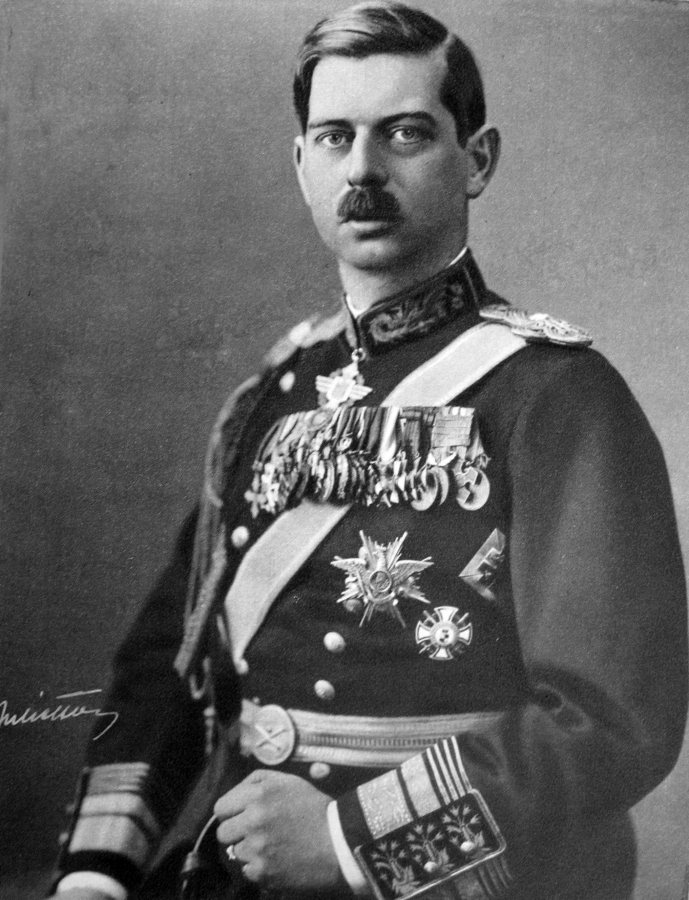
Carol II (15 October 1893 [O.S. 3 October 1893] – 4 April 1953) was King of Romania from 8 June 1930 following a coup that deposed his son until his forced abdication on 6 September 1940. As the eldest son of King Ferdinand I, he was crown prince from the death of his granduncle, King Carol I, in 1914 until he was forced to renounce his right to the throne in 1925.
Carol's life and reign were surrounded by controversy, such as his desertion from the army during World War I. Another controversy was his marriage to Zizi Lambrino, who was not from a royal lineage. After the dissolution of his first marriage, he met Princess Helen of Greece and Denmark, daughter of King Constantine I of Greece, married her in March 1921, and later that year, they had a son, Michael. Due to his continued extramarital affair with Elena Lupescu, Carol was forced to renounce his succession rights in 1925. His father removed Carol from the royal house of Romania and he was exiled to France along with Lupescu. Michael, aged 5, inherited the throne on the death of King Ferdinand in 1927. Princess Helen divorced Carol in 1928.
In the political crisis resulting from the deaths of King Ferdinand and the prime minister and the ineffective regency of Prince Nicholas of Romania, Miron Cristea, and Gheorghe Buzdugan, Carol was allowed to return to Romania in 1930. His name was restored by the royal house of Romania, and he deposed his son and claimed the throne as Carol II. The beginning of his reign was marked by the negative economic effects of the Great Depression. He weakened the parliament of Romania, often appointing minority factions of historical parties to the government and attempting to form nationally concentrated governments, such as the Iorga-Argetoianu government. He surrounded himself with a corrupt circle of advisors, which included Lupescu. Another political crisis followed the December 1937 elections, in which no party achieved an absolute majority and a coalition could not be formed because of disagreements between the various political factions. Following this crisis, Carol established a royal dictatorship in 1938 by suspending the 1923 constitution, abolishing all political parties, and forming a single new political party which consisted mostly of former members of the National Peasants' Party and the National Christian Party who he had patronized. The National Renaissance Front was the last of several attempts to counter the popularity of the fascist Iron Guard.
At the outbreak of World War II, Carol reaffirmed the Polish–Romanian alliance. Poland, which wished to follow the Romanian Bridgehead plan, declined Romanian military assistance. Following the fall of Poland and the involvement of the Soviet Union, Carol maintained a neutrality policy. After the fall of France, he shifted his policy in favor of re-alignment with Nazi Germany in hopes of gaining a guarantee that Germany would not invade Romania. The year 1940 marked the fragmentation of Greater Romania by the seceding of Bessarabia and Northern Bukovina to the Soviet Union, Northern Transylvania to Hungary and Southern Dobruja to Bulgaria. Although a German guarantee had been achieved, the cost destroyed Carol's reputation, his regime collapsed and he was forced to abdicate by General Ion Antonescu, the newly appointed and Nazi-backed prime minister. He was succeeded by his son Michael. After his abdication, Carol was permitted to leave the country with a train loaded with 30 truckloads of his personal fortune, which he had acquired during his time as king. In a failed attempt to assassinate Carol, the Iron Guard shot at the train as it was passing through Timișoara station. After World War II, Carol II wanted to regain the throne but was stopped by the Western Allies. For the rest of his life, he traveled the world, finally marrying Lupescu while living in Brazil in 1947. After settling in the Portuguese Riviera, Carol II died peacefully at the age of 59 in exile. His son Michael I refused to attend his funeral out of disgust for the treatment of his mother, Princess Helen by his father.
Carol was born in Peleș Castle and grew up under the thumb of his dominating grand-uncle, King Carol I. King Carol I largely excluded Carol's parents, the German-born Crown Prince Ferdinand and the British-born Crown Princess Marie, from any role in raising him. Romania in the early 20th century had a famously relaxed "Latin" sexual morality, and the British Princess Marie of Edinburgh had a long series of affairs with various Romanian men with whom she could obtain more emotional and sexual satisfaction than with Ferdinand, who fiercely resented being cuckolded. The stern Carol I felt that Marie was unqualified to raise Prince Carol because of her affairs and her young age, as she was only seventeen when Carol was born, while Marie regarded the King as a cold, overbearing tyrant who would crush the life out of her son.
The childless Carol I, who had always wanted a son, treated Prince Carol as his surrogate son and thoroughly spoiled him, indulging his every whim. Ferdinand was a rather shy and weak man who was easily overshadowed by the charismatic Marie, who became the most loved member of the Romanian royal family. Growing up, Carol felt ashamed of his father, whom both his grand-uncle and mother pushed around. Carol as a child was caught in an emotional tug-of-war between Carol I and Marie, who had very different ideas about how to raise him. The Romanian historian Marie Bucur described the battle between Carol I and Princess Marie as one between traditional 19th-century Prussian conservatism as personified by Carol I versus the 20th-century liberal, modernist, and sexually deviant values of the "New Woman" as personified by Princess Marie. Aspects of both Marie's and Carol I's personalities were present in Carol II. Largely because of the battle between the King and Marie, Carol ended up being both spoiled and deprived of love.
During his teenage years, Carol (Romanian for "Charles") acquired the "playboy" image that was to become his defining persona for the rest of his life. Carol expressed some concern at the direction that Prince Carol was taking, as the young Prince's only serious interest was stamp collecting and he spent an inordinate amount of time drinking, partying, and chasing after women. Young Carol fathered at least two illegitimate children by the teenage schoolgirl Maria Martini by the time that he was 19. Carol rapidly became a favorite of gossip columnists around the world owing to the frequent photographs that appeared in the newspapers showing him at various parties with him holding a drink in one hand and a woman in the other.
In order to teach the prince the value of Prussian virtues, the King had the prince commissioned as an officer in 1913. His time with the 1st Prussian Guards regiment did not achieve the desired results, and Carol remained the "playboy prince". Romania in the early 20th century was an intensely Francophile nation, indeed perhaps the most Francophile nation in the entire world as the Romanian elite obsessively went about embracing all things French as the model for perfection in everything. To a certain extent, Carol was influenced by the prevailing Francophilia, but at the same time, he inherited from Carol I, in the words of the American historian Margaret Sankey, a "profound love of German militarism" and the idea that all democratic governments were weak governments.
Hub AI
Carol II of Romania AI simulator
(@Carol II of Romania_simulator)
Carol II of Romania
Carol II (15 October 1893 [O.S. 3 October 1893] – 4 April 1953) was King of Romania from 8 June 1930 following a coup that deposed his son until his forced abdication on 6 September 1940. As the eldest son of King Ferdinand I, he was crown prince from the death of his granduncle, King Carol I, in 1914 until he was forced to renounce his right to the throne in 1925.
Carol's life and reign were surrounded by controversy, such as his desertion from the army during World War I. Another controversy was his marriage to Zizi Lambrino, who was not from a royal lineage. After the dissolution of his first marriage, he met Princess Helen of Greece and Denmark, daughter of King Constantine I of Greece, married her in March 1921, and later that year, they had a son, Michael. Due to his continued extramarital affair with Elena Lupescu, Carol was forced to renounce his succession rights in 1925. His father removed Carol from the royal house of Romania and he was exiled to France along with Lupescu. Michael, aged 5, inherited the throne on the death of King Ferdinand in 1927. Princess Helen divorced Carol in 1928.
In the political crisis resulting from the deaths of King Ferdinand and the prime minister and the ineffective regency of Prince Nicholas of Romania, Miron Cristea, and Gheorghe Buzdugan, Carol was allowed to return to Romania in 1930. His name was restored by the royal house of Romania, and he deposed his son and claimed the throne as Carol II. The beginning of his reign was marked by the negative economic effects of the Great Depression. He weakened the parliament of Romania, often appointing minority factions of historical parties to the government and attempting to form nationally concentrated governments, such as the Iorga-Argetoianu government. He surrounded himself with a corrupt circle of advisors, which included Lupescu. Another political crisis followed the December 1937 elections, in which no party achieved an absolute majority and a coalition could not be formed because of disagreements between the various political factions. Following this crisis, Carol established a royal dictatorship in 1938 by suspending the 1923 constitution, abolishing all political parties, and forming a single new political party which consisted mostly of former members of the National Peasants' Party and the National Christian Party who he had patronized. The National Renaissance Front was the last of several attempts to counter the popularity of the fascist Iron Guard.
At the outbreak of World War II, Carol reaffirmed the Polish–Romanian alliance. Poland, which wished to follow the Romanian Bridgehead plan, declined Romanian military assistance. Following the fall of Poland and the involvement of the Soviet Union, Carol maintained a neutrality policy. After the fall of France, he shifted his policy in favor of re-alignment with Nazi Germany in hopes of gaining a guarantee that Germany would not invade Romania. The year 1940 marked the fragmentation of Greater Romania by the seceding of Bessarabia and Northern Bukovina to the Soviet Union, Northern Transylvania to Hungary and Southern Dobruja to Bulgaria. Although a German guarantee had been achieved, the cost destroyed Carol's reputation, his regime collapsed and he was forced to abdicate by General Ion Antonescu, the newly appointed and Nazi-backed prime minister. He was succeeded by his son Michael. After his abdication, Carol was permitted to leave the country with a train loaded with 30 truckloads of his personal fortune, which he had acquired during his time as king. In a failed attempt to assassinate Carol, the Iron Guard shot at the train as it was passing through Timișoara station. After World War II, Carol II wanted to regain the throne but was stopped by the Western Allies. For the rest of his life, he traveled the world, finally marrying Lupescu while living in Brazil in 1947. After settling in the Portuguese Riviera, Carol II died peacefully at the age of 59 in exile. His son Michael I refused to attend his funeral out of disgust for the treatment of his mother, Princess Helen by his father.
Carol was born in Peleș Castle and grew up under the thumb of his dominating grand-uncle, King Carol I. King Carol I largely excluded Carol's parents, the German-born Crown Prince Ferdinand and the British-born Crown Princess Marie, from any role in raising him. Romania in the early 20th century had a famously relaxed "Latin" sexual morality, and the British Princess Marie of Edinburgh had a long series of affairs with various Romanian men with whom she could obtain more emotional and sexual satisfaction than with Ferdinand, who fiercely resented being cuckolded. The stern Carol I felt that Marie was unqualified to raise Prince Carol because of her affairs and her young age, as she was only seventeen when Carol was born, while Marie regarded the King as a cold, overbearing tyrant who would crush the life out of her son.
The childless Carol I, who had always wanted a son, treated Prince Carol as his surrogate son and thoroughly spoiled him, indulging his every whim. Ferdinand was a rather shy and weak man who was easily overshadowed by the charismatic Marie, who became the most loved member of the Romanian royal family. Growing up, Carol felt ashamed of his father, whom both his grand-uncle and mother pushed around. Carol as a child was caught in an emotional tug-of-war between Carol I and Marie, who had very different ideas about how to raise him. The Romanian historian Marie Bucur described the battle between Carol I and Princess Marie as one between traditional 19th-century Prussian conservatism as personified by Carol I versus the 20th-century liberal, modernist, and sexually deviant values of the "New Woman" as personified by Princess Marie. Aspects of both Marie's and Carol I's personalities were present in Carol II. Largely because of the battle between the King and Marie, Carol ended up being both spoiled and deprived of love.
During his teenage years, Carol (Romanian for "Charles") acquired the "playboy" image that was to become his defining persona for the rest of his life. Carol expressed some concern at the direction that Prince Carol was taking, as the young Prince's only serious interest was stamp collecting and he spent an inordinate amount of time drinking, partying, and chasing after women. Young Carol fathered at least two illegitimate children by the teenage schoolgirl Maria Martini by the time that he was 19. Carol rapidly became a favorite of gossip columnists around the world owing to the frequent photographs that appeared in the newspapers showing him at various parties with him holding a drink in one hand and a woman in the other.
In order to teach the prince the value of Prussian virtues, the King had the prince commissioned as an officer in 1913. His time with the 1st Prussian Guards regiment did not achieve the desired results, and Carol remained the "playboy prince". Romania in the early 20th century was an intensely Francophile nation, indeed perhaps the most Francophile nation in the entire world as the Romanian elite obsessively went about embracing all things French as the model for perfection in everything. To a certain extent, Carol was influenced by the prevailing Francophilia, but at the same time, he inherited from Carol I, in the words of the American historian Margaret Sankey, a "profound love of German militarism" and the idea that all democratic governments were weak governments.
Recent media