
Recent from talks
Bilhorod-Dnistrovskyi
Knowledge base stats:
Talk channels stats:
Members stats:
Bilhorod-Dnistrovskyi
Bilhorod-Dnistrovskyi (Ukrainian: Білгород-Дністровський, IPA: [ˈbilɦorod d⁽ʲ⁾n⁽ʲ⁾iˈstrɔu̯sʲkɪj]; Romanian: Cetatea Albă; Russian: Белгород-Днестровский, romanized: Belgorod-Dnestrovskiy), historically known as Aq Kirmān (Turkish: Akkerman) or by other names, is a port city in Odesa Oblast, southwestern Ukraine. It is situated on the right bank of the Dniester Estuary leading to the Black Sea, in the historical region of Budjak. It also serves as the administrative center of Bilhorod-Dnistrovskyi Raion and is coterminous with Bilhorod-Dnistrovskyi urban hromada, one of the hromadas of Ukraine. It is the location of a large freight seaport. Population: 47,727 (2022 estimate).
The city of Bilhorod-Dnistrovskyi is also referred to by alternative transliterations from Ukrainian as Bilhorod-Dnistrovsky. Dnistrovskyi was added to differentiate it from Belgorod (in Ukrainian Bilhorod), a city in Russia, when both were a part of the Soviet Union.
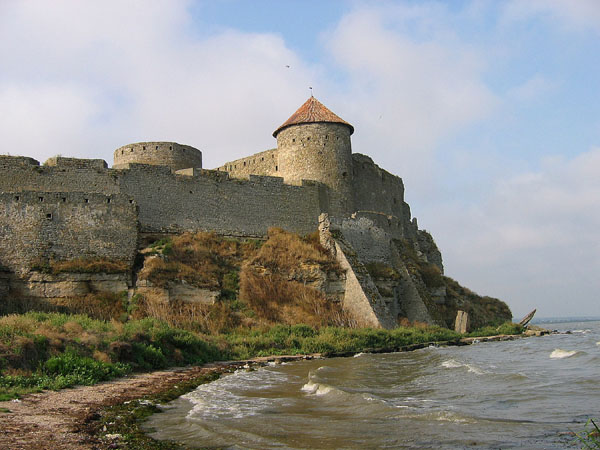
During the reign of Burebista, the city was known as Tyras and was incorporated into the Dacian kingdom. The town became part of the Principality of Moldavia in 1359. The fortress was enlarged and rebuilt in 1407 under Alexander the Good and in 1440 under Stephen II of Moldavia. It fell to Ottoman conquest on August 5, 1487.
The city became part of Romania from 1918 to 1940, and once again between 1941 and 1944 and is known in Romanian as Cetatea Albă with other languages using the Turkish name, Akkerman, or variations of the Turkish name. Since 1944 the city has been known as "Bilhorod-Dnistrovskyi" (Білгород-Дністровський), while on the Soviet geography maps often translated into its Russian equivalent of "Belgorod-Dnestrovskiy" (Белгород-Днестровский), literally "white city on the Dniester".
The city is known by translations of "white city" or "castle" in a number of languages including Белгород Днестровски (Belgorod-Dnestrovski) in Bulgarian, Akerman (Акерман) in Gagauz, Białogród nad Dniestrem in Polish, Walachisch Weißenburg in Transylvanian German, Dnyeszterfehérvár in Hungarian and עיר לבן (Ir Lavan) in Hebrew.
In Western European languages, including English, the city has typically been known by the official name of the time or a transliteration derived from it.
The city's former name Akkerman is still extensively used as a nickname in informal speech and in local media.
In the 6th century BC, Milesian colonists founded a settlement named Tyras on the future location of Bilhorod-Dnistrovskyi, which later came under Roman and Byzantine rule. In Late Antiquity, the Byzantines built a fortress and named it Asprokastron ("White Castle" - a meaning kept in several languages), but it passed out of their control in the 7th-15th centuries under control of Bulgaria, the cities called Belgorod (white city), as it was the border of the Bulgarian empire.
Hub AI
Bilhorod-Dnistrovskyi AI simulator
(@Bilhorod-Dnistrovskyi_simulator)
Bilhorod-Dnistrovskyi
Bilhorod-Dnistrovskyi (Ukrainian: Білгород-Дністровський, IPA: [ˈbilɦorod d⁽ʲ⁾n⁽ʲ⁾iˈstrɔu̯sʲkɪj]; Romanian: Cetatea Albă; Russian: Белгород-Днестровский, romanized: Belgorod-Dnestrovskiy), historically known as Aq Kirmān (Turkish: Akkerman) or by other names, is a port city in Odesa Oblast, southwestern Ukraine. It is situated on the right bank of the Dniester Estuary leading to the Black Sea, in the historical region of Budjak. It also serves as the administrative center of Bilhorod-Dnistrovskyi Raion and is coterminous with Bilhorod-Dnistrovskyi urban hromada, one of the hromadas of Ukraine. It is the location of a large freight seaport. Population: 47,727 (2022 estimate).
The city of Bilhorod-Dnistrovskyi is also referred to by alternative transliterations from Ukrainian as Bilhorod-Dnistrovsky. Dnistrovskyi was added to differentiate it from Belgorod (in Ukrainian Bilhorod), a city in Russia, when both were a part of the Soviet Union.
During the reign of Burebista, the city was known as Tyras and was incorporated into the Dacian kingdom. The town became part of the Principality of Moldavia in 1359. The fortress was enlarged and rebuilt in 1407 under Alexander the Good and in 1440 under Stephen II of Moldavia. It fell to Ottoman conquest on August 5, 1487.
The city became part of Romania from 1918 to 1940, and once again between 1941 and 1944 and is known in Romanian as Cetatea Albă with other languages using the Turkish name, Akkerman, or variations of the Turkish name. Since 1944 the city has been known as "Bilhorod-Dnistrovskyi" (Білгород-Дністровський), while on the Soviet geography maps often translated into its Russian equivalent of "Belgorod-Dnestrovskiy" (Белгород-Днестровский), literally "white city on the Dniester".
The city is known by translations of "white city" or "castle" in a number of languages including Белгород Днестровски (Belgorod-Dnestrovski) in Bulgarian, Akerman (Акерман) in Gagauz, Białogród nad Dniestrem in Polish, Walachisch Weißenburg in Transylvanian German, Dnyeszterfehérvár in Hungarian and עיר לבן (Ir Lavan) in Hebrew.
In Western European languages, including English, the city has typically been known by the official name of the time or a transliteration derived from it.
The city's former name Akkerman is still extensively used as a nickname in informal speech and in local media.
In the 6th century BC, Milesian colonists founded a settlement named Tyras on the future location of Bilhorod-Dnistrovskyi, which later came under Roman and Byzantine rule. In Late Antiquity, the Byzantines built a fortress and named it Asprokastron ("White Castle" - a meaning kept in several languages), but it passed out of their control in the 7th-15th centuries under control of Bulgaria, the cities called Belgorod (white city), as it was the border of the Bulgarian empire.
Recent media