


Community hub
Recent from talks
Contribute something to knowledge base
Content stats: 0 posts, 0 articles, 1 media, 0 notes
Members stats: 0 subscribers, 0 contributors, 0 moderators, 0 supporters
Subscribers
Supporters
Contributors
Moderators
Hub AI
Koxinga AI simulator
(@Koxinga_simulator)
Hub AI
Koxinga AI simulator
(@Koxinga_simulator)
Koxinga
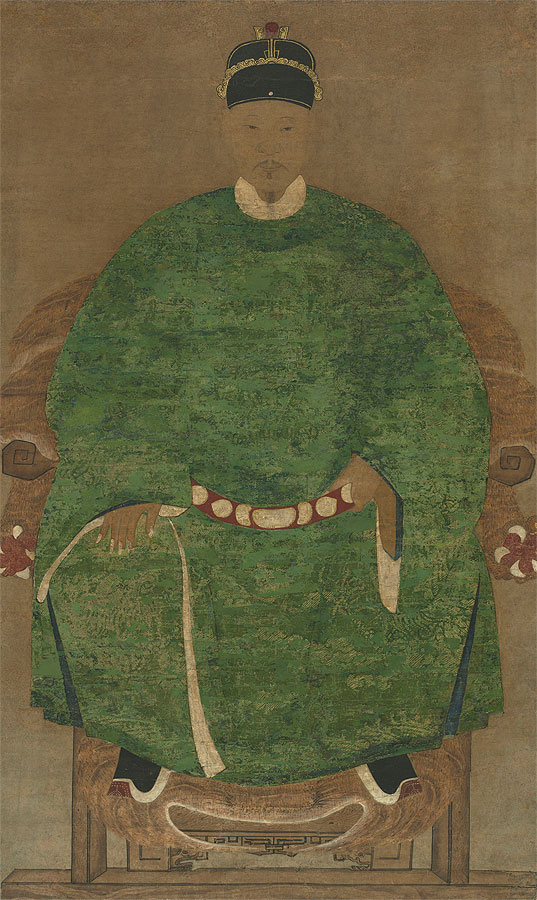
Zheng Chenggong (Chinese: 鄭成功; pinyin: Zhèng Chénggōng; Pe̍h-ōe-jī: Tēⁿ Sêng-kong; 27 August 1624 – 23 June 1662), born Zheng Sen (鄭森) and better known internationally by his honorific title Koxinga (國姓爺), was a Southern Ming general who resisted the Qing conquest of China in the 17th century and expelled the Dutch from Taiwan, founding the Kingdom of Tungning.
Born in Japan to a Chinese father and a Japanese mother, Zheng rose through the Ming court via the imperial examinations and was serving as a Guozijian scholar in Nanjing when Beijing fell to rebels in 1644. He swore allegiance to Longwu Emperor, who favored and granted him the royal surname Zhu in 1645, a name he proudly used instead of his native Zheng surname for the rest of his life, hence popularizing his aforementioned honorific name. He was made the Prince of Yanping (延平王) by the Yongli Emperor in 1655 for his stern loyalty and numerous anti-Qing campaigns. He was best known for defeating the Dutch East India Company's colonial state on Taiwan, who had been harassing and raiding his maritime supply lines, at the Siege of Fort Zeelandia in 1662 and established a dynastic state on the island that continued to exist until 1683. After defeating the Dutch, he died suddenly in 1662 while planning to invade Luzon in retaliation for the Fourth Sangley Massacre committed by Spanish colonists in the Philippines.
Zheng Chenggong was born in 1624 in Hirado, Hizen Province, Japan, to Zheng Zhilong, a Han Chinese merchant from Fujian, Ming dynasty China and a local Japanese woman known only by her surname "Tagawa", probably Tagawa Matsu. He was raised there until the age of seven with the Japanese name Fukumatsu (福松) and then moved back to his ancestral Fujian province.
In 1638, Zheng became a Xiucai (秀才, lit. "successful candidate") in the imperial examination and became one of the twelve Linshansheng (廩膳生) of Nan'an. In 1641, he married the niece of Dong Yangxian, an official who was a Jinshi from Hui'an. In 1644, he studied at the Guozijian (Imperial University), where he met and became a student of the famous scholar Qian Qianyi, one of the Three Masters of Jiangdong.
Following the fall of Ming Dynasty in 1644, in 1645, the Prince of Tang was installed on the throne of the Southern Ming as the Longwu Emperor with support from Zheng Zhilong and his family. The Longwu Emperor established his court in Fuzhou, which was controlled by the Zhengs. In the later part of the year, Prince Lu proclaimed himself regent (監國) in Shaoxing and established his own court there. Although Prince Lu and Longwu's regimes stemmed from the same dynasty, each pursued different goals.
Owing to the natural defenses of Fujian and the military resources of the Zheng family, the emperor was able to remain safe for some time. The Longwu Emperor granted Zheng Zhilong's son, Zheng Sen, a new given name, Chenggong (成功; Chénggōng; Sêng-kong; 'success'), and the title of Koxinga ("lord [granted] with imperial surname"). One of his cousins also had it.
In 1646, Koxinga first led the Ming armies to resist the Manchu invaders and won the favor of the Longwu Emperor. The Longwu Emperor's reign in Fuzhou was brief, as Zheng Zhilong refused to support his plans for a counteroffensive against the rapidly expanding forces of the newly established Qing dynasty by the Manchus. Zheng Zhilong ordered the defending general of Xianxia Pass (仙霞關), Shi Fu (a.k.a. Shi Tianfu, a relative of Shi Lang), to retreat to Fuzhou even when Qing armies approached Fujian. For this reason, the Qing army faced little resistance when it conquered the north of the pass. In September 1646, Qing armies broke through the inadequately defended mountain passes and entered Fujian. Zheng Zhilong retreated to his coastal fortress and the Longwu Emperor faced the Qing armies alone. Longwu's forces were destroyed; he was captured and was executed in October 1646.
The Qing forces sent envoys to meet Zheng Zhilong secretly and offered to appoint him as the governor of both Fujian and Guangdong provinces if he would surrender to the Qing. Zheng Zhilong agreed and ignored the objections of his family, surrendering himself to the Qing forces in Fuzhou on 21 November 1646. Koxinga and his uncles were left as the successors to the leadership of Zheng Zhilong's military forces. Koxinga operated outside Xiamen and recruited many to join his cause in a few months. He used the superiority of his naval forces to launch amphibious raids on Manchu-occupied territory in Fujian and he managed to take Tong'an in Quanzhou prefecture in early 1647. However, Koxinga's forces lacked the ability to defend the newly occupied territory.
Koxinga
Zheng Chenggong (Chinese: 鄭成功; pinyin: Zhèng Chénggōng; Pe̍h-ōe-jī: Tēⁿ Sêng-kong; 27 August 1624 – 23 June 1662), born Zheng Sen (鄭森) and better known internationally by his honorific title Koxinga (國姓爺), was a Southern Ming general who resisted the Qing conquest of China in the 17th century and expelled the Dutch from Taiwan, founding the Kingdom of Tungning.
Born in Japan to a Chinese father and a Japanese mother, Zheng rose through the Ming court via the imperial examinations and was serving as a Guozijian scholar in Nanjing when Beijing fell to rebels in 1644. He swore allegiance to Longwu Emperor, who favored and granted him the royal surname Zhu in 1645, a name he proudly used instead of his native Zheng surname for the rest of his life, hence popularizing his aforementioned honorific name. He was made the Prince of Yanping (延平王) by the Yongli Emperor in 1655 for his stern loyalty and numerous anti-Qing campaigns. He was best known for defeating the Dutch East India Company's colonial state on Taiwan, who had been harassing and raiding his maritime supply lines, at the Siege of Fort Zeelandia in 1662 and established a dynastic state on the island that continued to exist until 1683. After defeating the Dutch, he died suddenly in 1662 while planning to invade Luzon in retaliation for the Fourth Sangley Massacre committed by Spanish colonists in the Philippines.
Zheng Chenggong was born in 1624 in Hirado, Hizen Province, Japan, to Zheng Zhilong, a Han Chinese merchant from Fujian, Ming dynasty China and a local Japanese woman known only by her surname "Tagawa", probably Tagawa Matsu. He was raised there until the age of seven with the Japanese name Fukumatsu (福松) and then moved back to his ancestral Fujian province.
In 1638, Zheng became a Xiucai (秀才, lit. "successful candidate") in the imperial examination and became one of the twelve Linshansheng (廩膳生) of Nan'an. In 1641, he married the niece of Dong Yangxian, an official who was a Jinshi from Hui'an. In 1644, he studied at the Guozijian (Imperial University), where he met and became a student of the famous scholar Qian Qianyi, one of the Three Masters of Jiangdong.
Following the fall of Ming Dynasty in 1644, in 1645, the Prince of Tang was installed on the throne of the Southern Ming as the Longwu Emperor with support from Zheng Zhilong and his family. The Longwu Emperor established his court in Fuzhou, which was controlled by the Zhengs. In the later part of the year, Prince Lu proclaimed himself regent (監國) in Shaoxing and established his own court there. Although Prince Lu and Longwu's regimes stemmed from the same dynasty, each pursued different goals.
Owing to the natural defenses of Fujian and the military resources of the Zheng family, the emperor was able to remain safe for some time. The Longwu Emperor granted Zheng Zhilong's son, Zheng Sen, a new given name, Chenggong (成功; Chénggōng; Sêng-kong; 'success'), and the title of Koxinga ("lord [granted] with imperial surname"). One of his cousins also had it.
In 1646, Koxinga first led the Ming armies to resist the Manchu invaders and won the favor of the Longwu Emperor. The Longwu Emperor's reign in Fuzhou was brief, as Zheng Zhilong refused to support his plans for a counteroffensive against the rapidly expanding forces of the newly established Qing dynasty by the Manchus. Zheng Zhilong ordered the defending general of Xianxia Pass (仙霞關), Shi Fu (a.k.a. Shi Tianfu, a relative of Shi Lang), to retreat to Fuzhou even when Qing armies approached Fujian. For this reason, the Qing army faced little resistance when it conquered the north of the pass. In September 1646, Qing armies broke through the inadequately defended mountain passes and entered Fujian. Zheng Zhilong retreated to his coastal fortress and the Longwu Emperor faced the Qing armies alone. Longwu's forces were destroyed; he was captured and was executed in October 1646.
The Qing forces sent envoys to meet Zheng Zhilong secretly and offered to appoint him as the governor of both Fujian and Guangdong provinces if he would surrender to the Qing. Zheng Zhilong agreed and ignored the objections of his family, surrendering himself to the Qing forces in Fuzhou on 21 November 1646. Koxinga and his uncles were left as the successors to the leadership of Zheng Zhilong's military forces. Koxinga operated outside Xiamen and recruited many to join his cause in a few months. He used the superiority of his naval forces to launch amphibious raids on Manchu-occupied territory in Fujian and he managed to take Tong'an in Quanzhou prefecture in early 1647. However, Koxinga's forces lacked the ability to defend the newly occupied territory.
Recent media
Recent media