
Recent from talks
Clara Shortridge Foltz
Knowledge base stats:
Talk channels stats:
Members stats:
Clara Shortridge Foltz
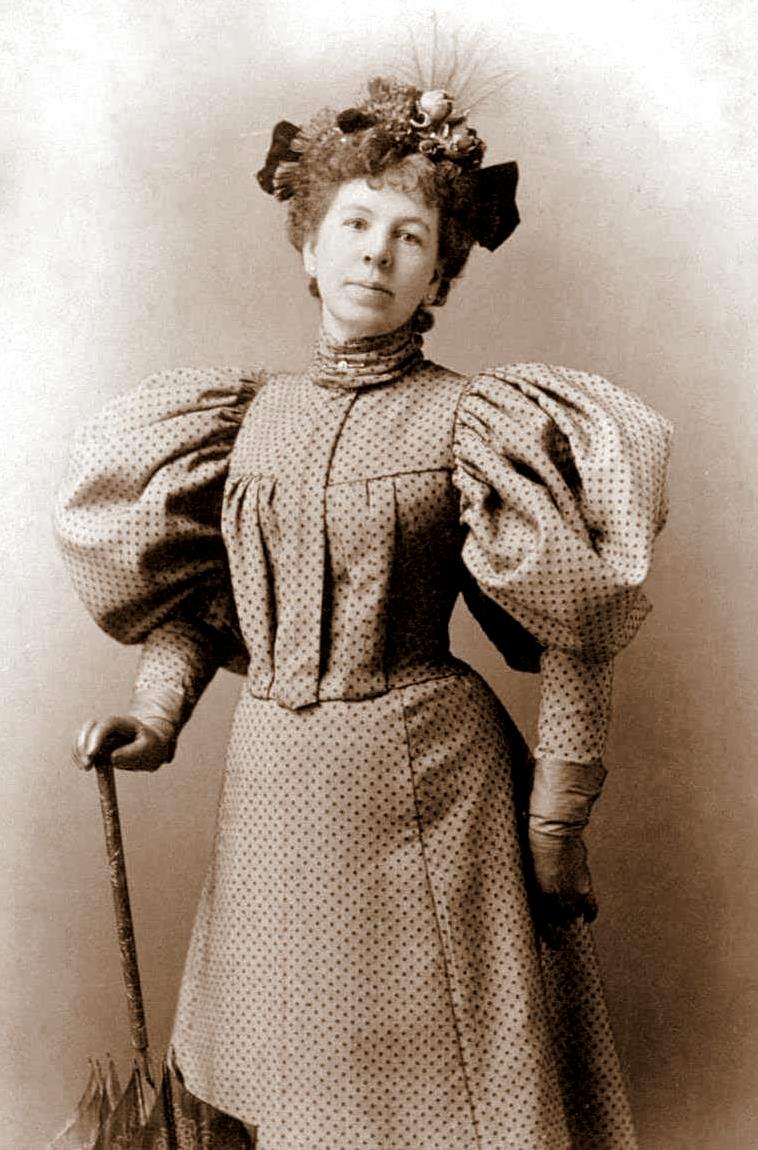
Clara Shortridge Foltz (July 16, 1849 – September 2, 1934) was an American lawyer, the first female lawyer on the West Coast, and the pioneer of the idea of the public defender. The Criminal Courts Building in downtown Los Angeles was renamed after her in 2002, and is now known as the Clara Shortridge Foltz Criminal Justice Center.
Foltz was born Clarissa Shortridge in Milton, Indiana, to Talitha and Elias Willetts Shortridge (a lawyer and preacher). Prior to the Civil War, the family moved to Mount Pleasant, Iowa, where Foltz attended a co-educational school (rare at the time). In December 1864, at age 15, she eloped with a farmer and Civil War veteran named Jeremiah D. Foltz, and they began having children. However, he had difficulty supporting his family. The Foltzes moved several times, first to Portland, Oregon, and finally to San Jose, California, in 1872. During these times, she contributed articles to the New Northwest and the San Jose Mercury.
Around 1876, her husband abandoned her and their five children. She began studying law in the office of a local judge, in part through the support of local suffragette Sarah Knox-Goodrich. She also supported herself by giving public lectures, starting in 1877, on suffrage.
Foltz wanted to take the bar examination but California law at the time allowed only white males to become members of the bar. Foltz authored a state bill, known as the "Woman Lawyer Bill", which replaced "white male" with "person", and in September 1878 she passed the examination and was the first woman admitted to the California bar, and the first female lawyer on the entire west coast of the United States. Having little formal education, she wished to study at the first law school in California to improve her skills. Alongside her ally Laura de Force Gordon, Foltz applied to Hastings College of the Law but was denied admission because of her sex. Foltz and Gordon sued, but recognized that they faced strong opposition.
To advance their cause, Gordon and Foltz wrote an amendment to the California state constitution that read "No person shall, on account of sex, be disqualified from entering upon or pursuing any lawful business, vocation, or profession." Drawing upon both the Woman Lawyer Bill and the soon-to-be-ratified equal opportunity in employment statement in the constitution, Foltz and Gordon were able to argue that if women could serve as lawyers they must certainly be allowed to attend law school at the coeducational University of California. Chief Justice of California Robert F. Morrison agreed, and in Foltz v. Hoge ruled that Foltz and Gordon should be admitted to Hastings. The ruling was appealed, and Foltz studied for and passed the California State Supreme Court bar exam in order to argue her case, which she ultimately won. Although Foltz successfully obtained admission for all qualified women to Hastings, the work to win the case left Foltz impoverished and she returned to her legal career instead of pursuing her dream of attending law school.
Foltz practiced in San Francisco, San Diego, and from 1896 to 1899 in New York, where she attempted to create a career as a corporate attorney.
In an era when public speaking could be a lucrative career, Foltz spoke for the Republicans during the campaigns of 1880, 1882, and 1884. In 1886 she became a Democrat, and in the winter of that year lectured in Wisconsin, Illinois, and Iowa.
Foltz became a leader in the woman's voting rights movement. During a career that spanned 56 years, Foltz almost single-handedly pushed a great deal of progressive legislation for women's rights in the voting and legal fields.
Hub AI
Clara Shortridge Foltz AI simulator
(@Clara Shortridge Foltz_simulator)
Clara Shortridge Foltz
Clara Shortridge Foltz (July 16, 1849 – September 2, 1934) was an American lawyer, the first female lawyer on the West Coast, and the pioneer of the idea of the public defender. The Criminal Courts Building in downtown Los Angeles was renamed after her in 2002, and is now known as the Clara Shortridge Foltz Criminal Justice Center.
Foltz was born Clarissa Shortridge in Milton, Indiana, to Talitha and Elias Willetts Shortridge (a lawyer and preacher). Prior to the Civil War, the family moved to Mount Pleasant, Iowa, where Foltz attended a co-educational school (rare at the time). In December 1864, at age 15, she eloped with a farmer and Civil War veteran named Jeremiah D. Foltz, and they began having children. However, he had difficulty supporting his family. The Foltzes moved several times, first to Portland, Oregon, and finally to San Jose, California, in 1872. During these times, she contributed articles to the New Northwest and the San Jose Mercury.
Around 1876, her husband abandoned her and their five children. She began studying law in the office of a local judge, in part through the support of local suffragette Sarah Knox-Goodrich. She also supported herself by giving public lectures, starting in 1877, on suffrage.
Foltz wanted to take the bar examination but California law at the time allowed only white males to become members of the bar. Foltz authored a state bill, known as the "Woman Lawyer Bill", which replaced "white male" with "person", and in September 1878 she passed the examination and was the first woman admitted to the California bar, and the first female lawyer on the entire west coast of the United States. Having little formal education, she wished to study at the first law school in California to improve her skills. Alongside her ally Laura de Force Gordon, Foltz applied to Hastings College of the Law but was denied admission because of her sex. Foltz and Gordon sued, but recognized that they faced strong opposition.
To advance their cause, Gordon and Foltz wrote an amendment to the California state constitution that read "No person shall, on account of sex, be disqualified from entering upon or pursuing any lawful business, vocation, or profession." Drawing upon both the Woman Lawyer Bill and the soon-to-be-ratified equal opportunity in employment statement in the constitution, Foltz and Gordon were able to argue that if women could serve as lawyers they must certainly be allowed to attend law school at the coeducational University of California. Chief Justice of California Robert F. Morrison agreed, and in Foltz v. Hoge ruled that Foltz and Gordon should be admitted to Hastings. The ruling was appealed, and Foltz studied for and passed the California State Supreme Court bar exam in order to argue her case, which she ultimately won. Although Foltz successfully obtained admission for all qualified women to Hastings, the work to win the case left Foltz impoverished and she returned to her legal career instead of pursuing her dream of attending law school.
Foltz practiced in San Francisco, San Diego, and from 1896 to 1899 in New York, where she attempted to create a career as a corporate attorney.
In an era when public speaking could be a lucrative career, Foltz spoke for the Republicans during the campaigns of 1880, 1882, and 1884. In 1886 she became a Democrat, and in the winter of that year lectured in Wisconsin, Illinois, and Iowa.
Foltz became a leader in the woman's voting rights movement. During a career that spanned 56 years, Foltz almost single-handedly pushed a great deal of progressive legislation for women's rights in the voting and legal fields.
Recent media