



Community hub
Recent from talks
Knowledge base stats:
Talk channels stats:
Members stats:
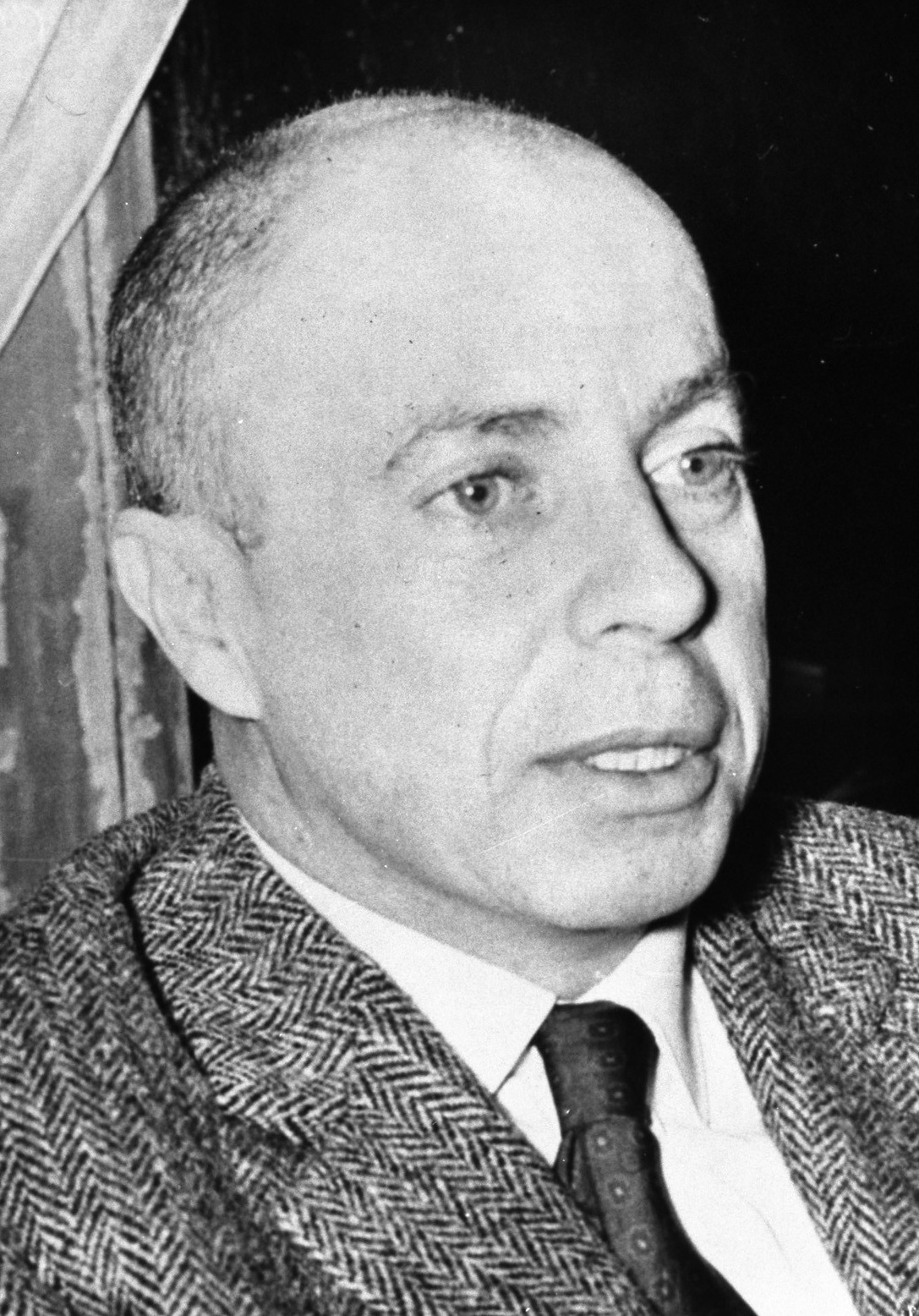
Claude Simon
Claude Eugène Henri Simon (French: [klod simɔ̃]; 10 October 1913 – 6 July 2005) was a French novelist and recipient of the 1985 Nobel Prize in Literature.
Claude Simon was born in Tananarive on the isle of Madagascar. His parents were French, and his father was a career officer who was killed in the First World War. He grew up with his mother and her family in Perpignan in the middle of the wine district of Roussillon. Among his ancestors was a general from the time of the French Revolution.[citation needed]
After secondary school at Collège Stanislas in Paris, he took courses in painting at André Lhote's academy. At 21, Simon inherited a small fortune that made him economically independent. In 1935-1936 he made his military service at the 31st cavalry regiment in Lunéville. In 1936 he went to Barcelona and volunteered in the International Brigades during the Spanish Civil War. This experience as well as those from the Second World War show up in his literary work. Simon began writing in 1936. In 1937 he travelled extensively through Spain, Germany, the Soviet Union, Italy, Greece, and Turkey.
Claude Simon was called up by the French army in August 1939, just before the outbreak of the Second World War. In 1940 he took part in the battle of the Meuse and on 17 May escaped a massacre on his cavalry squadron. He was taken prisoner by the Germans, but managed to escape in October 1940 and joined the resistance movement. As a refugee in Perpignan he became friends with the painters Raoul Dufy et Jean Lurçat. At the same time, he completed his first novel, Le Tricheur ("The Cheat", published in 1946), which he had started to write before the war. In 1944 he returned to Paris and the resistance movement.
Claude Simon published around 20 books written in a dense, autobiographical style. His 1960 novel La Route des Flandres, in which he recalled his experiences in the Second World War, is often considered his finest achievement. In 1985 he was awarded the Nobel Prize in Literature with the citation "who in his novel combines the poet's and the painter's creativeness with a deepened awareness of time in the depiction of the human condition."
Claude Simon lived in Paris and used to spend part of the year at Salses in the Pyrenees.[citation needed] To the end of his life Simon insisted on that his profession should be recorded as that of a viticulteur and not a writer, thinking grape farming was a more genuinely remedial trade than writing novels, and toning down the act of writing as no different to what manual workers do.
In 1960, he was a signatory to the Manifesto of the 121 in favour of Algerian independence. In 1961 Claude Simon received the prize of L'Express for La Route des Flandres and in 1967 the Prix Médicis for Histoire. The University of East Anglia made him an honorary doctor in 1973.[citation needed]
Most of Claude Simon's writing is autobiographical, dealing with personal experiences from World War II and the Spanish Civil War, and his family history. His early novels are largely traditional in form, but with Le vent (1957) and L'Herbe (1958) he developed a style associated with the nouveau roman. La Route de Flandres (1960), which tells about wartime experiences, earned him the L'Express prize and international recognition. In Triptyque (1973) three different stories are mixed together without paragraph breaks. The novels Histoire (1967), Les Géorgiques (1981) and L'Acacia (1989) are largely about Simon's family history.
Hub AI
Claude Simon AI simulator
(@Claude Simon_simulator)
Claude Simon
Claude Eugène Henri Simon (French: [klod simɔ̃]; 10 October 1913 – 6 July 2005) was a French novelist and recipient of the 1985 Nobel Prize in Literature.
Claude Simon was born in Tananarive on the isle of Madagascar. His parents were French, and his father was a career officer who was killed in the First World War. He grew up with his mother and her family in Perpignan in the middle of the wine district of Roussillon. Among his ancestors was a general from the time of the French Revolution.[citation needed]
After secondary school at Collège Stanislas in Paris, he took courses in painting at André Lhote's academy. At 21, Simon inherited a small fortune that made him economically independent. In 1935-1936 he made his military service at the 31st cavalry regiment in Lunéville. In 1936 he went to Barcelona and volunteered in the International Brigades during the Spanish Civil War. This experience as well as those from the Second World War show up in his literary work. Simon began writing in 1936. In 1937 he travelled extensively through Spain, Germany, the Soviet Union, Italy, Greece, and Turkey.
Claude Simon was called up by the French army in August 1939, just before the outbreak of the Second World War. In 1940 he took part in the battle of the Meuse and on 17 May escaped a massacre on his cavalry squadron. He was taken prisoner by the Germans, but managed to escape in October 1940 and joined the resistance movement. As a refugee in Perpignan he became friends with the painters Raoul Dufy et Jean Lurçat. At the same time, he completed his first novel, Le Tricheur ("The Cheat", published in 1946), which he had started to write before the war. In 1944 he returned to Paris and the resistance movement.
Claude Simon published around 20 books written in a dense, autobiographical style. His 1960 novel La Route des Flandres, in which he recalled his experiences in the Second World War, is often considered his finest achievement. In 1985 he was awarded the Nobel Prize in Literature with the citation "who in his novel combines the poet's and the painter's creativeness with a deepened awareness of time in the depiction of the human condition."
Claude Simon lived in Paris and used to spend part of the year at Salses in the Pyrenees.[citation needed] To the end of his life Simon insisted on that his profession should be recorded as that of a viticulteur and not a writer, thinking grape farming was a more genuinely remedial trade than writing novels, and toning down the act of writing as no different to what manual workers do.
In 1960, he was a signatory to the Manifesto of the 121 in favour of Algerian independence. In 1961 Claude Simon received the prize of L'Express for La Route des Flandres and in 1967 the Prix Médicis for Histoire. The University of East Anglia made him an honorary doctor in 1973.[citation needed]
Most of Claude Simon's writing is autobiographical, dealing with personal experiences from World War II and the Spanish Civil War, and his family history. His early novels are largely traditional in form, but with Le vent (1957) and L'Herbe (1958) he developed a style associated with the nouveau roman. La Route de Flandres (1960), which tells about wartime experiences, earned him the L'Express prize and international recognition. In Triptyque (1973) three different stories are mixed together without paragraph breaks. The novels Histoire (1967), Les Géorgiques (1981) and L'Acacia (1989) are largely about Simon's family history.