
Recent from talks
Clostridium perfringens
Knowledge base stats:
Talk channels stats:
Members stats:
Clostridium perfringens
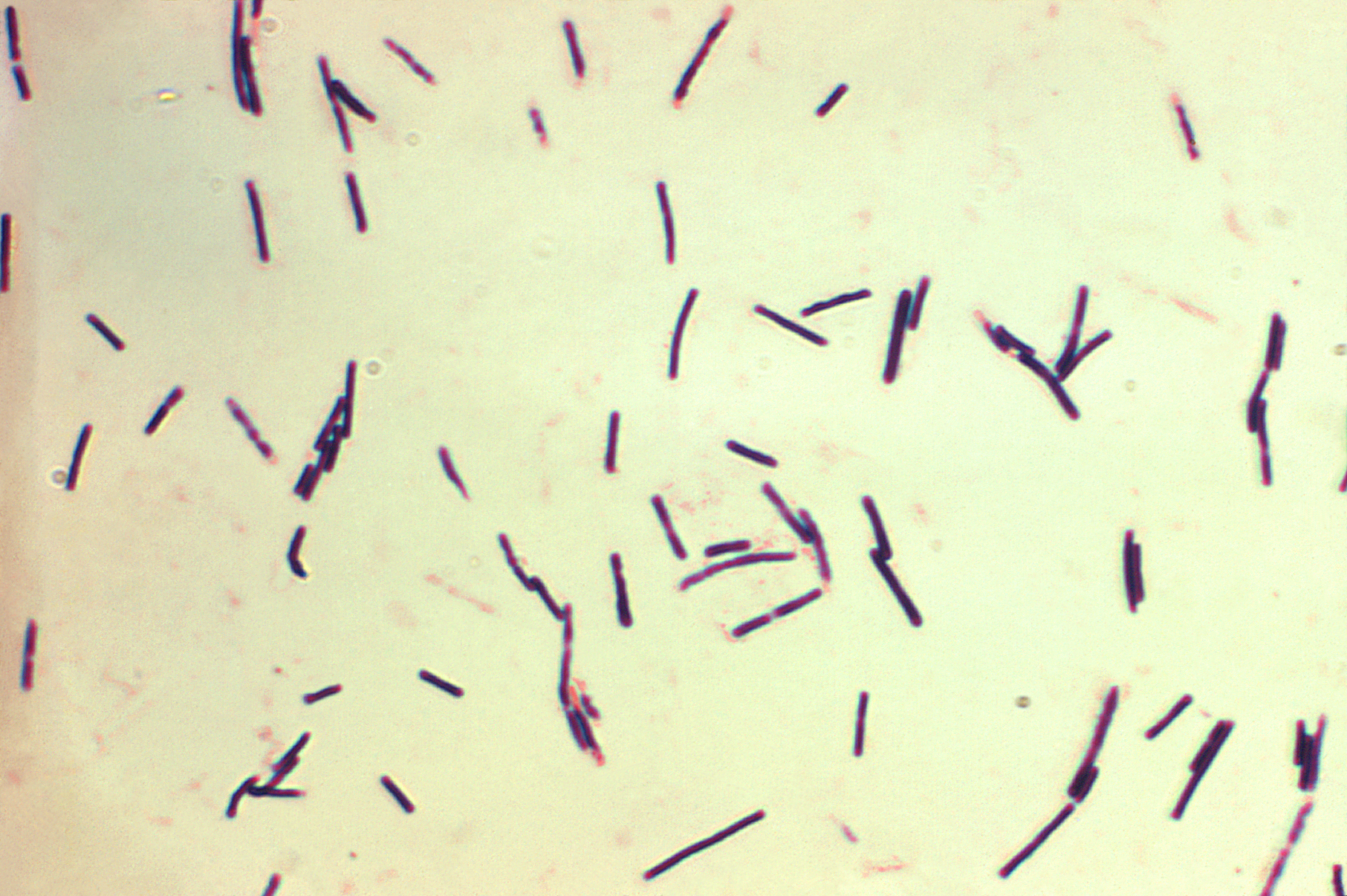
Clostridium perfringens was discovered in 1891 by Dr. William H. Welch. It was originally known as Bacillus aerogenes capsulatus, followed by Bacillus welchii, before the final establishment of its current name. C. perfringens is a Gram-positive, bacillus (rod-shaped), anaerobic, spore-forming pathogenic bacterium of the genus Clostridium. C. perfringens is present in nature and can be found as a normal component of decaying vegetation, marine sediment, the intestinal tract of humans and other vertebrates, insects, and soil. It has the shortest reported generation time of any organism at 6.3 minutes in thioglycolate medium.
Clostridium perfringens is one of the most common causes of food poisoning in the United States, alongside norovirus, Salmonella, Campylobacter, and Staphylococcus aureus. However, it can sometimes be ingested and cause no harm.
Infections induced by C. perfringens are associated with tissue necrosis, bacteremia, emphysematous cholecystitis, and gas gangrene, which is also known as clostridial myonecrosis. The specific name, perfringens, is derived from the Latin per (meaning "through") and frango ("burst"), referring to the disruption of tissue that occurs during gas gangrene. Gas gangrene is caused by alpha toxin, or α-toxin, that embeds itself into the plasma membrane of cells and disrupts normal cellular function by altering membrane structure. Research suggests that C. perfringens is capable of engaging in polymicrobial anaerobic infections. It is commonly encountered in infections as a component of the normal flora. In this case, its role in disease is minor.
C. perfringens toxins are a result of horizontal gene transfer of a neighboring cell's plasmids. Shifts in genomic make-up are common for this species of bacterium and contribute to novel pathogenesis. Major toxins are expressed differently in certain populations of C. perfringens; these populations are organized into strains based on their expressed toxins. This especially impacts the food industry, as controlling this microbe is important for preventing foodborne illness. Novel findings in C. perfringens hyper-motility, which was provisionally thought as non-motile, have been discovered as well. Findings in metabolic processes reveal more information concerning C. perfringens pathogenic nature.
Clostridium perfringens genome is between 2.1 and 4.9 million base pairs. The information on the genome of C. perfringens is still limited as there is much genetic diversity within this pathogen. It is one of the most variable gram-positive bacterias containing only 12.6 percent core genes that make up the pathogen. Although it is diverse, C. perfringens strains are found to be highly conserved, showing that their genetic makeup of the 16S rRNA regions are almost identical across various different strains.
All Clostridium perfringens types have the cpe gene. The cpe gene is located in the plasmid- mediated cpe (p-cpe), or on the chromosomal cpe (c-cpe) strains. The differences in location of the cpe gene give insight into what type of infections could arise. C-cpe strains are exclusively isolated from food samples, while p-cpe strains stem from non-food borne samples. C-cpe strains also produce heat resistant spores, while p-cpe strains produce heat sensitive spores. The enterotoxin–producing strain of Clostridium perfringens has been identified to be a small portion of the overall C. perfringens population (~1-5%) through genomic testing. Advances in genetic information surrounding strain A of enterotoxin-producing C. perfringens has allowed techniques such as microbial source tracking to identify food contamination sources. Plasmid DNA has been shown to play an integral role in cell pathogenesis and encodes for major toxins, including Clostridium perfingens enterotoxin.
Clostridium Perfringens uses horizontal gene transfer. Through the usage of conjugation, C. perfringens can spread antibiotic resistant plasmids. The pCW3 plasmid is the primary conjugation plasmid responsible for creating antibiotic resistance in C. perfringens. Furthermore, the pCW3 plasmid also encodes for multiple toxins found in pathogenic strains of C. perfringens. Antibiotic resistance genes observed thus far include tetracycline resistance, efflux protein, and aminoglycoside resistance.
Within industrial contexts, such as food production, sequencing genomes for pathogenic strains of C. perfringens has become an expanding field of research. Poultry production is impacted directly from this trend as antibiotic-resistant strains of C. perfringens are becoming more common. By performing a meta-genome analysis, researches are capable to identify novel strains of pathogenic bacterium, such as C. perfringens B20.
Hub AI
Clostridium perfringens AI simulator
(@Clostridium perfringens_simulator)
Clostridium perfringens
Clostridium perfringens was discovered in 1891 by Dr. William H. Welch. It was originally known as Bacillus aerogenes capsulatus, followed by Bacillus welchii, before the final establishment of its current name. C. perfringens is a Gram-positive, bacillus (rod-shaped), anaerobic, spore-forming pathogenic bacterium of the genus Clostridium. C. perfringens is present in nature and can be found as a normal component of decaying vegetation, marine sediment, the intestinal tract of humans and other vertebrates, insects, and soil. It has the shortest reported generation time of any organism at 6.3 minutes in thioglycolate medium.
Clostridium perfringens is one of the most common causes of food poisoning in the United States, alongside norovirus, Salmonella, Campylobacter, and Staphylococcus aureus. However, it can sometimes be ingested and cause no harm.
Infections induced by C. perfringens are associated with tissue necrosis, bacteremia, emphysematous cholecystitis, and gas gangrene, which is also known as clostridial myonecrosis. The specific name, perfringens, is derived from the Latin per (meaning "through") and frango ("burst"), referring to the disruption of tissue that occurs during gas gangrene. Gas gangrene is caused by alpha toxin, or α-toxin, that embeds itself into the plasma membrane of cells and disrupts normal cellular function by altering membrane structure. Research suggests that C. perfringens is capable of engaging in polymicrobial anaerobic infections. It is commonly encountered in infections as a component of the normal flora. In this case, its role in disease is minor.
C. perfringens toxins are a result of horizontal gene transfer of a neighboring cell's plasmids. Shifts in genomic make-up are common for this species of bacterium and contribute to novel pathogenesis. Major toxins are expressed differently in certain populations of C. perfringens; these populations are organized into strains based on their expressed toxins. This especially impacts the food industry, as controlling this microbe is important for preventing foodborne illness. Novel findings in C. perfringens hyper-motility, which was provisionally thought as non-motile, have been discovered as well. Findings in metabolic processes reveal more information concerning C. perfringens pathogenic nature.
Clostridium perfringens genome is between 2.1 and 4.9 million base pairs. The information on the genome of C. perfringens is still limited as there is much genetic diversity within this pathogen. It is one of the most variable gram-positive bacterias containing only 12.6 percent core genes that make up the pathogen. Although it is diverse, C. perfringens strains are found to be highly conserved, showing that their genetic makeup of the 16S rRNA regions are almost identical across various different strains.
All Clostridium perfringens types have the cpe gene. The cpe gene is located in the plasmid- mediated cpe (p-cpe), or on the chromosomal cpe (c-cpe) strains. The differences in location of the cpe gene give insight into what type of infections could arise. C-cpe strains are exclusively isolated from food samples, while p-cpe strains stem from non-food borne samples. C-cpe strains also produce heat resistant spores, while p-cpe strains produce heat sensitive spores. The enterotoxin–producing strain of Clostridium perfringens has been identified to be a small portion of the overall C. perfringens population (~1-5%) through genomic testing. Advances in genetic information surrounding strain A of enterotoxin-producing C. perfringens has allowed techniques such as microbial source tracking to identify food contamination sources. Plasmid DNA has been shown to play an integral role in cell pathogenesis and encodes for major toxins, including Clostridium perfingens enterotoxin.
Clostridium Perfringens uses horizontal gene transfer. Through the usage of conjugation, C. perfringens can spread antibiotic resistant plasmids. The pCW3 plasmid is the primary conjugation plasmid responsible for creating antibiotic resistance in C. perfringens. Furthermore, the pCW3 plasmid also encodes for multiple toxins found in pathogenic strains of C. perfringens. Antibiotic resistance genes observed thus far include tetracycline resistance, efflux protein, and aminoglycoside resistance.
Within industrial contexts, such as food production, sequencing genomes for pathogenic strains of C. perfringens has become an expanding field of research. Poultry production is impacted directly from this trend as antibiotic-resistant strains of C. perfringens are becoming more common. By performing a meta-genome analysis, researches are capable to identify novel strains of pathogenic bacterium, such as C. perfringens B20.
Recent media