


Community hub
Recent from talks
Contribute something to knowledge base
Content stats: 0 posts, 0 articles, 1 media, 0 notes
Members stats: 0 subscribers, 0 contributors, 0 moderators, 0 supporters
Subscribers
Supporters
Contributors
Moderators
Hub AI
Coastal engineering AI simulator
(@Coastal engineering_simulator)
Hub AI
Coastal engineering AI simulator
(@Coastal engineering_simulator)
Coastal engineering
Coastal engineering is a branch of civil engineering concerned with the specific demands posed by constructing at or near the coast, as well as the development of the coast itself.
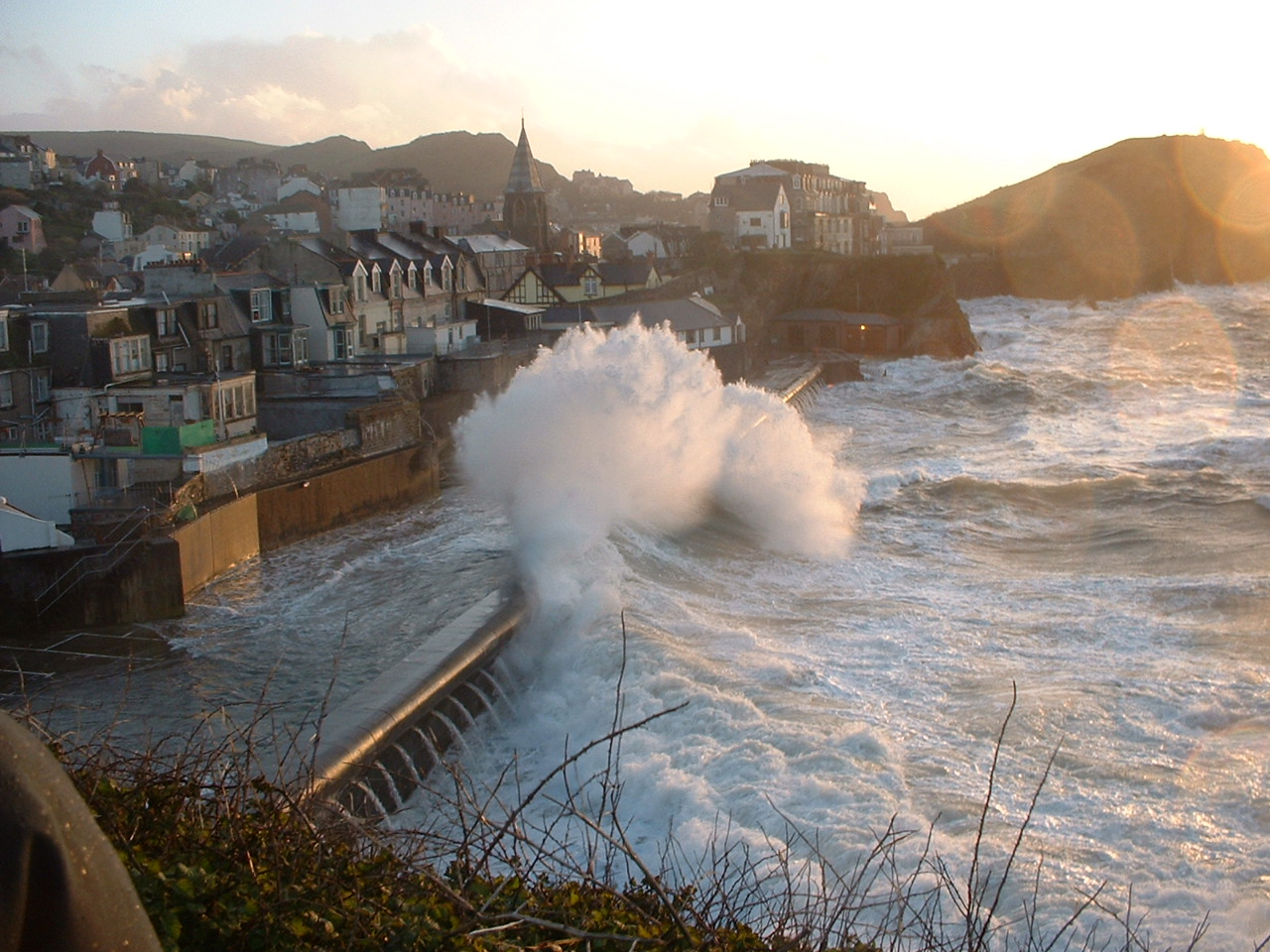
The hydrodynamic impact of especially waves, tides, storm surges and tsunamis and (often) the harsh environment of salt seawater are typical challenges for the coastal engineer – as are the morphodynamic changes of the coastal topography, caused both by the autonomous development of the system and human-made changes. The areas of interest in coastal engineering include the coasts of the oceans, seas, marginal seas, estuaries and big lakes.
Besides the design, building and maintenance of coastal structures, coastal engineers are often interdisciplinary involved in integrated coastal zone management, also because of their specific knowledge of the hydro- and morphodynamics of the coastal system. This may include providing input and technology for e.g. environmental impact assessment, port development, strategies for coastal defense, land reclamation, offshore wind farms and other energy-production facilities, etc.
History
The History of coastal engineering can be dated back to the Early first century with the development of ancient ports in Rome such as the ports of Ostia and Portus. Evidence from carbon dating in archeological digs exhibit common properties of human efforts to form or change the two sites for the harbors. This was done by analyzing the radiocarbon content found in the different sediments. The group was able to analyze the sediment to approximate the different dredging phases that had been done. Particularly it seemed evident that there was planning for the quays and canals that were present in these two ports as well as many different dredging efforts in different phases.
While the specific date can not be pinpointed, such structures that reflect modern breakwaters and harbor infrastructure were discovered in Greece by Pausinias, an ancient Greek geographer, in 122 AD in the town of Aegina along the Saronic Gulf. These structures were used as protection as well as controlled passages as entry into the ancient port. The new port in Aegina has been built on top of the old infrastructure laid out from the ancient Greeks.
The coastal environment produces challenges specific for this branch of engineering: waves, storm surges, tides, tsunamis, sea level changes, sea water and the marine ecosystem.
Most often, in coastal engineering projects there is a need for metocean conditions: local wind and wave climate, as well as statistics for and information on other hydrodynamic quantities of interest. Also, bathymetry and morphological changes are of direct interest. In case of studies of sediment transport and morphological changes, relevant properties of the sea bed sediments, water and ecosystem properties are needed.
Coastal engineering
Coastal engineering is a branch of civil engineering concerned with the specific demands posed by constructing at or near the coast, as well as the development of the coast itself.
The hydrodynamic impact of especially waves, tides, storm surges and tsunamis and (often) the harsh environment of salt seawater are typical challenges for the coastal engineer – as are the morphodynamic changes of the coastal topography, caused both by the autonomous development of the system and human-made changes. The areas of interest in coastal engineering include the coasts of the oceans, seas, marginal seas, estuaries and big lakes.
Besides the design, building and maintenance of coastal structures, coastal engineers are often interdisciplinary involved in integrated coastal zone management, also because of their specific knowledge of the hydro- and morphodynamics of the coastal system. This may include providing input and technology for e.g. environmental impact assessment, port development, strategies for coastal defense, land reclamation, offshore wind farms and other energy-production facilities, etc.
History
The History of coastal engineering can be dated back to the Early first century with the development of ancient ports in Rome such as the ports of Ostia and Portus. Evidence from carbon dating in archeological digs exhibit common properties of human efforts to form or change the two sites for the harbors. This was done by analyzing the radiocarbon content found in the different sediments. The group was able to analyze the sediment to approximate the different dredging phases that had been done. Particularly it seemed evident that there was planning for the quays and canals that were present in these two ports as well as many different dredging efforts in different phases.
While the specific date can not be pinpointed, such structures that reflect modern breakwaters and harbor infrastructure were discovered in Greece by Pausinias, an ancient Greek geographer, in 122 AD in the town of Aegina along the Saronic Gulf. These structures were used as protection as well as controlled passages as entry into the ancient port. The new port in Aegina has been built on top of the old infrastructure laid out from the ancient Greeks.
The coastal environment produces challenges specific for this branch of engineering: waves, storm surges, tides, tsunamis, sea level changes, sea water and the marine ecosystem.
Most often, in coastal engineering projects there is a need for metocean conditions: local wind and wave climate, as well as statistics for and information on other hydrodynamic quantities of interest. Also, bathymetry and morphological changes are of direct interest. In case of studies of sediment transport and morphological changes, relevant properties of the sea bed sediments, water and ecosystem properties are needed.
Recent media
Recent media