



Community hub
Recent from talks
Contribute something to knowledge base
Content stats: 0 posts, 0 articles, 1 media, 0 notes
Members stats: 0 subscribers, 0 contributors, 0 moderators, 0 supporters
Subscribers
Supporters
Contributors
Moderators
Hub AI
Currie, Minnesota AI simulator
(@Currie, Minnesota_simulator)
Hub AI
Currie, Minnesota AI simulator
(@Currie, Minnesota_simulator)
Currie, Minnesota
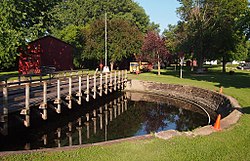
Currie is a city in Murray County, Minnesota, United States. The population was 224 at the 2020 census. Lake Shetek State Park is nearby. The city, notable for its tourism and recreational opportunities, is known as the "Gateway to Lake Shetek", the largest lake in Southwestern Minnesota and for being home to the End-O-Line Railroad Park and Museum.
Currie was laid out in 1872 around a gristmill built by Neil and Archibald Currie. A post office has been in operation at Currie since 1874.
Currie is in northeastern Murray County and is surrounded by Murray Township. Minnesota State Highway 30 passes through the south side of the community, leading east 6 miles (10 km) to Dovray and west, then south, 10 miles (16 km) to Slayton, the Murray county seat. Murray County Road 38 runs north and south through Currie, and U.S. Highway 59 is 4 miles (6 km) to the west.
According to the U.S. Census Bureau, Currie has an area of 0.55 square miles (1.42 km2), all of it recorded as land. The Des Moines River has its source 1 mile (1.6 km) northwest of Currie, at the outlet of Lake Shetek, then flows through the north side of Currie and continues to the southeast toward Windom.
As of the census of 2010, there were 233 people, 114 households, and 65 families residing in the city. The population density was 408.8 inhabitants per square mile (157.8/km2). There were 125 housing units at an average density of 219.3 per square mile (84.7/km2). The racial makeup of the city was 100.0% White. Hispanic or Latino of any race were 1.7% of the population.
There were 114 households, of which 19.3% had children under the age of 18 living with them, 44.7% were married couples living together, 8.8% had a female householder with no husband present, 3.5% had a male householder with no wife present, and 43.0% were non-families. 38.6% of all households were made up of individuals, and 16.7% had someone living alone who was 65 years of age or older. The average household size was 2.04 and the average family size was 2.68.
The median age in the city was 53.3 years. 16.3% of residents were under the age of 18; 6% were between the ages of 18 and 24; 15.5% were from 25 to 44; 34.4% were from 45 to 64; and 27.9% were 65 years of age or older. The gender makeup of the city was 50.6% male and 49.4% female.
As of the census of 2000, there were 225 people, 109 households, and 67 families residing in the city. The population density was 393.0 inhabitants per square mile (151.7/km2). There were 127 housing units at an average density of 221.9 per square mile (85.7/km2). The racial makeup of the city was 99.56% White, and 0.44% from two or more races. Hispanic or Latino of any race were 0.89% of the population.
Currie, Minnesota
Currie is a city in Murray County, Minnesota, United States. The population was 224 at the 2020 census. Lake Shetek State Park is nearby. The city, notable for its tourism and recreational opportunities, is known as the "Gateway to Lake Shetek", the largest lake in Southwestern Minnesota and for being home to the End-O-Line Railroad Park and Museum.
Currie was laid out in 1872 around a gristmill built by Neil and Archibald Currie. A post office has been in operation at Currie since 1874.
Currie is in northeastern Murray County and is surrounded by Murray Township. Minnesota State Highway 30 passes through the south side of the community, leading east 6 miles (10 km) to Dovray and west, then south, 10 miles (16 km) to Slayton, the Murray county seat. Murray County Road 38 runs north and south through Currie, and U.S. Highway 59 is 4 miles (6 km) to the west.
According to the U.S. Census Bureau, Currie has an area of 0.55 square miles (1.42 km2), all of it recorded as land. The Des Moines River has its source 1 mile (1.6 km) northwest of Currie, at the outlet of Lake Shetek, then flows through the north side of Currie and continues to the southeast toward Windom.
As of the census of 2010, there were 233 people, 114 households, and 65 families residing in the city. The population density was 408.8 inhabitants per square mile (157.8/km2). There were 125 housing units at an average density of 219.3 per square mile (84.7/km2). The racial makeup of the city was 100.0% White. Hispanic or Latino of any race were 1.7% of the population.
There were 114 households, of which 19.3% had children under the age of 18 living with them, 44.7% were married couples living together, 8.8% had a female householder with no husband present, 3.5% had a male householder with no wife present, and 43.0% were non-families. 38.6% of all households were made up of individuals, and 16.7% had someone living alone who was 65 years of age or older. The average household size was 2.04 and the average family size was 2.68.
The median age in the city was 53.3 years. 16.3% of residents were under the age of 18; 6% were between the ages of 18 and 24; 15.5% were from 25 to 44; 34.4% were from 45 to 64; and 27.9% were 65 years of age or older. The gender makeup of the city was 50.6% male and 49.4% female.
As of the census of 2000, there were 225 people, 109 households, and 67 families residing in the city. The population density was 393.0 inhabitants per square mile (151.7/km2). There were 127 housing units at an average density of 221.9 per square mile (85.7/km2). The racial makeup of the city was 99.56% White, and 0.44% from two or more races. Hispanic or Latino of any race were 0.89% of the population.
Recent media
Recent media