
Recent from talks
Daniel Chester French
Knowledge base stats:
Talk channels stats:
Members stats:
Daniel Chester French
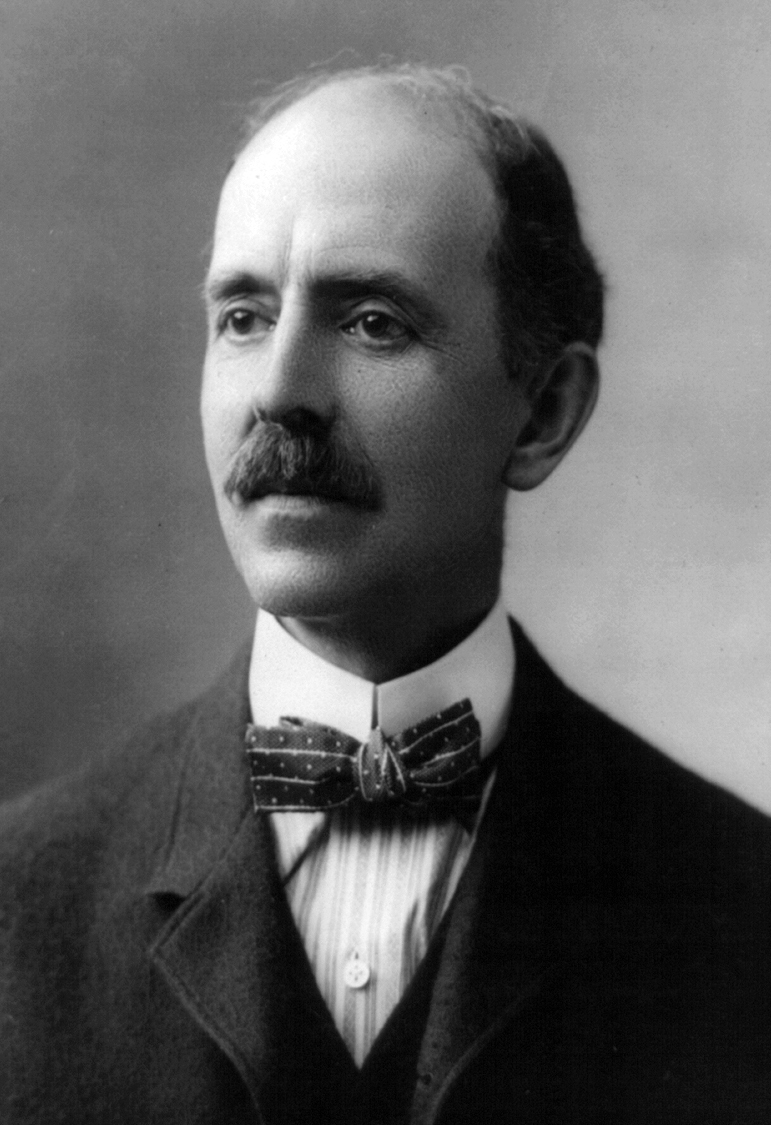
Daniel Chester French (April 20, 1850 – October 7, 1931) was an American sculptor in the late 19th and early 20th centuries. His works include The Minute Man, an 1874 statue in Concord, Massachusetts, and his 1920 monumental statue of Abraham Lincoln at the Lincoln Memorial in Washington, D.C.
French was born on April 20, 1850, in Exeter, New Hampshire, the son of Anne Richardson (1811–1856), daughter of William Merchant Richardson (1774–1838), chief justice of New Hampshire, and of Henry Flagg French (1813–1885), a lawyer, judge, Assistant U.S. Treasury Secretary, and author of a book that described the French drain. His siblings were Henriette Van Mater French Hollis (1839–1911), Sarah Flagg French Bartlett (1846–1883), and William M.R. French (1843–1914). He was the uncle of Senator Henry F. Hollis.
In 1867, French moved with his family to Concord, Massachusetts, where he was a neighbor and friend of Ralph Waldo Emerson, and the Alcott family. His decision to pursue sculpting was influenced by Louisa May Alcott's sister Abigail May Alcott.
French's early education included training in anatomy with William Rimmer and in drawing with William Morris Hunt. French spent a year studying at the Massachusetts Institute of Technology, and also several years in Florence, Italy, studying in the studio of Thomas Ball.
French first earned acclaim for The Minute Man, commissioned by the town of Concord, Massachusetts, which was unveiled April 19, 1875, on the centenary of the Battles of Lexington and Concord, the first armed conflict of the American Revolutionary War.
French established his own studio, first in Washington, D.C., which he later moved to Boston and then to New York City. In 1893, French's reputation grew with his Statue of the Republic for the World's Columbian Exposition in Chicago. Other works by French include the First Division Monument and the Butt-Millet Memorial Fountain, both in Washington, D.C., John Harvard on the campus of Harvard University in Cambridge, Massachusetts, bronze doors for the Boston Central Library in Boston, and Four Continents at the U.S. Custom House, New York, later renamed the Alexander Hamilton US Custom House. In addition to the Lincoln Memorial, French collaborated with architect Henry Bacon on memorials around the country, including the Dupont Circle fountain in Washington, D.C.
In 1893, French was a founding member of the National Sculpture Society, and he was appointed a Fellow of the American Academy of Arts and Sciences in 1913. During this time, he served as an instructor at the Art Students League of New York, teaching sculpture there in 1890 and 1898. French also became a member of the National Academy of Design (1901), the American Academy of Arts and Letters (which awarded him the Gold Medal for Sculpture in 1917), the Architectural League, and the Accademia di San Luca, of Rome. He was a trustee of the Metropolitan Museum of Art in New York City, and a co-founder of the American Academy in Rome. He was a Chevalier of the French Legion of Honor and was awarded a medal of honor from the Paris Exposition of 1900; he also was granted honorary degrees from Dartmouth, Yale, Harvard, and Columbia universities. He was a founding member of the U.S. Commission of Fine Arts, serving from 1910 to 1915, including as chairman from 1912 to 1915.
In 1917, French and a colleague, Henry Augustus Lukeman, designed the Pulitzer Prize gold medal presented to laureates. French designed the side of the prize with Benjamin Franklin on it, while Lukeman created the iconic design of the printing press and the wording on the award: "For disinterested and meritorious public service rendered by an American newspaper during the year….". In collaboration with Edward Clark Potter he modeled the George Washington statue, commissioned by a group that called itself "The Association of American Women for the Erection of a Statue of Washington in Paris" and unveiled in the Place d'Iena in Paris, France, in 1900; the General Grant statue in Fairmount Park, Philadelphia, commissioned by the Association for Public Art (formerly the Fairmount Park Art Association); and the equestrian statue of Joseph Hooker in Boston.
Hub AI
Daniel Chester French AI simulator
(@Daniel Chester French_simulator)
Daniel Chester French
Daniel Chester French (April 20, 1850 – October 7, 1931) was an American sculptor in the late 19th and early 20th centuries. His works include The Minute Man, an 1874 statue in Concord, Massachusetts, and his 1920 monumental statue of Abraham Lincoln at the Lincoln Memorial in Washington, D.C.
French was born on April 20, 1850, in Exeter, New Hampshire, the son of Anne Richardson (1811–1856), daughter of William Merchant Richardson (1774–1838), chief justice of New Hampshire, and of Henry Flagg French (1813–1885), a lawyer, judge, Assistant U.S. Treasury Secretary, and author of a book that described the French drain. His siblings were Henriette Van Mater French Hollis (1839–1911), Sarah Flagg French Bartlett (1846–1883), and William M.R. French (1843–1914). He was the uncle of Senator Henry F. Hollis.
In 1867, French moved with his family to Concord, Massachusetts, where he was a neighbor and friend of Ralph Waldo Emerson, and the Alcott family. His decision to pursue sculpting was influenced by Louisa May Alcott's sister Abigail May Alcott.
French's early education included training in anatomy with William Rimmer and in drawing with William Morris Hunt. French spent a year studying at the Massachusetts Institute of Technology, and also several years in Florence, Italy, studying in the studio of Thomas Ball.
French first earned acclaim for The Minute Man, commissioned by the town of Concord, Massachusetts, which was unveiled April 19, 1875, on the centenary of the Battles of Lexington and Concord, the first armed conflict of the American Revolutionary War.
French established his own studio, first in Washington, D.C., which he later moved to Boston and then to New York City. In 1893, French's reputation grew with his Statue of the Republic for the World's Columbian Exposition in Chicago. Other works by French include the First Division Monument and the Butt-Millet Memorial Fountain, both in Washington, D.C., John Harvard on the campus of Harvard University in Cambridge, Massachusetts, bronze doors for the Boston Central Library in Boston, and Four Continents at the U.S. Custom House, New York, later renamed the Alexander Hamilton US Custom House. In addition to the Lincoln Memorial, French collaborated with architect Henry Bacon on memorials around the country, including the Dupont Circle fountain in Washington, D.C.
In 1893, French was a founding member of the National Sculpture Society, and he was appointed a Fellow of the American Academy of Arts and Sciences in 1913. During this time, he served as an instructor at the Art Students League of New York, teaching sculpture there in 1890 and 1898. French also became a member of the National Academy of Design (1901), the American Academy of Arts and Letters (which awarded him the Gold Medal for Sculpture in 1917), the Architectural League, and the Accademia di San Luca, of Rome. He was a trustee of the Metropolitan Museum of Art in New York City, and a co-founder of the American Academy in Rome. He was a Chevalier of the French Legion of Honor and was awarded a medal of honor from the Paris Exposition of 1900; he also was granted honorary degrees from Dartmouth, Yale, Harvard, and Columbia universities. He was a founding member of the U.S. Commission of Fine Arts, serving from 1910 to 1915, including as chairman from 1912 to 1915.
In 1917, French and a colleague, Henry Augustus Lukeman, designed the Pulitzer Prize gold medal presented to laureates. French designed the side of the prize with Benjamin Franklin on it, while Lukeman created the iconic design of the printing press and the wording on the award: "For disinterested and meritorious public service rendered by an American newspaper during the year….". In collaboration with Edward Clark Potter he modeled the George Washington statue, commissioned by a group that called itself "The Association of American Women for the Erection of a Statue of Washington in Paris" and unveiled in the Place d'Iena in Paris, France, in 1900; the General Grant statue in Fairmount Park, Philadelphia, commissioned by the Association for Public Art (formerly the Fairmount Park Art Association); and the equestrian statue of Joseph Hooker in Boston.
Recent media