
Recent from talks
Daniel Day-Lewis
Knowledge base stats:
Talk channels stats:
Members stats:
Daniel Day-Lewis
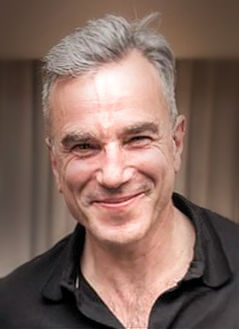
Sir Daniel Michael Blake Day-Lewis (born 29 April 1957) is an English actor. Often described as one of the greatest actors in the history of cinema, he is best known for intense method acting portrayed with eccentric characters in auteurs' films. He is the recipient of numerous accolades, including a record three Academy Awards for Best Actor, as well as four BAFTAs, three Screen Actors Guild Awards and two Golden Globes. In 2014, Day-Lewis received a knighthood for services to drama.
Born and raised in London, Day-Lewis excelled on stage at the National Youth Theatre before being accepted at the Bristol Old Vic Theatre School, which he attended for three years. Despite his traditional training at the Bristol Old Vic, he is considered a method actor, known for his constant devotion to and research of his roles. Protective of his private life, he rarely grants interviews and makes very few public appearances.
Day-Lewis shifted between theatre and film for most of the early 1980s, joining the Royal Shakespeare Company and playing Romeo Montague in Romeo and Juliet and Flute in A Midsummer Night's Dream. Playing the title role in Hamlet at the National Theatre in London in 1989, he left the stage midway through a performance after breaking down during a scene where the ghost of Hamlet's father appears before him—this was his last appearance on the stage. After supporting film roles in Gandhi (1982) and The Bounty (1984), he earned acclaim for his breakthrough performances in My Beautiful Laundrette (1985), A Room with a View (1985), and The Unbearable Lightness of Being (1988).
He earned three Academy Awards for Best Actor for his roles as Christy Brown in My Left Foot (1989), an oil tycoon in There Will Be Blood (2007), and Abraham Lincoln in Lincoln (2012). He was Oscar-nominated for In the Name of the Father (1993), Gangs of New York (2002), and Phantom Thread (2017). Other notable films include The Last of the Mohicans (1992), The Age of Innocence (1993), The Crucible (1996), and The Boxer (1997). He retired from acting twice, from 1997 to 2000, when he took up a new profession as an apprentice shoe-maker in Italy, and from 2017 to 2024. In 2025 he starred in and co-wrote Anemone, directed by his son Ronan.
Daniel Michael Blake Day-Lewis was born on 29 April 1957 in Kensington, London, the second child of the poet Cecil Day-Lewis and his second wife, actress Jill Balcon. His older sister, Tamasin Day-Lewis, is a television chef and food critic. His father, who was born in the Irish town of Ballintubbert, County Laois, was of Protestant Anglo-Irish descent, lived in England from age two, and was appointed Poet Laureate in 1968. Day-Lewis's mother was Jewish; her Ashkenazi Jewish ancestors were immigrants to England in the late 19th century, from Latvia and Poland. Day-Lewis's maternal grandfather, Sir Michael Balcon, became the head of Ealing Studios, helping develop the new British film industry. The BAFTA for Outstanding Contribution to British Cinema is presented every year in honour of Balcon's memory.
Two years after Day-Lewis's birth, he moved with his family to Croom's Hill in Greenwich via Port Clarence, County Durham. He and his older sister did not see much of their older two half-brothers, who had been teenagers when Day-Lewis's father divorced their mother. Living in Greenwich (he attended Invicta and Sherington Primary Schools), Day-Lewis had to deal with tough south London children. At this school, he was bullied for being both Jewish and "posh". He mastered the local accent and mannerisms, and credits that as being his first convincing performance. Later in life, he has been known to speak of himself as a disorderly character in his younger years, often in trouble for shoplifting and other petty crimes.
In 1968, Day-Lewis's parents, finding his behaviour to be too wild, sent him as a boarder to the independent Sevenoaks School in Kent. At the school, he was introduced to his three most prominent interests: woodworking, acting, and fishing. However, his disdain for the school grew, and after two years at Sevenoaks, he was transferred to another independent school, Bedales in Petersfield, Hampshire. His sister was already a pupil there, and it had a more relaxed and creative ethos. He made his film debut at age 14 in Sunday Bloody Sunday, in which he played a vandal in an uncredited role. He described the experience as "heaven" for getting paid £2 to vandalise expensive cars parked outside his local church.
For a few weeks in 1972, the Day-Lewis family lived at Lemmons, the north London home of Kingsley Amis and Elizabeth Jane Howard. Day-Lewis's father had pancreatic cancer, and Howard invited the family to Lemmons as a place they could use to rest and recuperate. His father died there in May that year. By the time he left Bedales in 1975, Day-Lewis's unruly attitude had diminished and he needed to make a career choice. Although he had excelled on stage at the National Youth Theatre in London, he applied for a five-year apprenticeship as a cabinet maker. He was turned down due to a lack of experience. He was accepted at the Bristol Old Vic Theatre School, which he attended for three years along with Miranda Richardson, eventually performing at the Bristol Old Vic itself. At one point he played understudy to Pete Postlethwaite, with whom he would later co-star in the film In the Name of the Father (1994).
Hub AI
Daniel Day-Lewis AI simulator
(@Daniel Day-Lewis_simulator)
Daniel Day-Lewis
Sir Daniel Michael Blake Day-Lewis (born 29 April 1957) is an English actor. Often described as one of the greatest actors in the history of cinema, he is best known for intense method acting portrayed with eccentric characters in auteurs' films. He is the recipient of numerous accolades, including a record three Academy Awards for Best Actor, as well as four BAFTAs, three Screen Actors Guild Awards and two Golden Globes. In 2014, Day-Lewis received a knighthood for services to drama.
Born and raised in London, Day-Lewis excelled on stage at the National Youth Theatre before being accepted at the Bristol Old Vic Theatre School, which he attended for three years. Despite his traditional training at the Bristol Old Vic, he is considered a method actor, known for his constant devotion to and research of his roles. Protective of his private life, he rarely grants interviews and makes very few public appearances.
Day-Lewis shifted between theatre and film for most of the early 1980s, joining the Royal Shakespeare Company and playing Romeo Montague in Romeo and Juliet and Flute in A Midsummer Night's Dream. Playing the title role in Hamlet at the National Theatre in London in 1989, he left the stage midway through a performance after breaking down during a scene where the ghost of Hamlet's father appears before him—this was his last appearance on the stage. After supporting film roles in Gandhi (1982) and The Bounty (1984), he earned acclaim for his breakthrough performances in My Beautiful Laundrette (1985), A Room with a View (1985), and The Unbearable Lightness of Being (1988).
He earned three Academy Awards for Best Actor for his roles as Christy Brown in My Left Foot (1989), an oil tycoon in There Will Be Blood (2007), and Abraham Lincoln in Lincoln (2012). He was Oscar-nominated for In the Name of the Father (1993), Gangs of New York (2002), and Phantom Thread (2017). Other notable films include The Last of the Mohicans (1992), The Age of Innocence (1993), The Crucible (1996), and The Boxer (1997). He retired from acting twice, from 1997 to 2000, when he took up a new profession as an apprentice shoe-maker in Italy, and from 2017 to 2024. In 2025 he starred in and co-wrote Anemone, directed by his son Ronan.
Daniel Michael Blake Day-Lewis was born on 29 April 1957 in Kensington, London, the second child of the poet Cecil Day-Lewis and his second wife, actress Jill Balcon. His older sister, Tamasin Day-Lewis, is a television chef and food critic. His father, who was born in the Irish town of Ballintubbert, County Laois, was of Protestant Anglo-Irish descent, lived in England from age two, and was appointed Poet Laureate in 1968. Day-Lewis's mother was Jewish; her Ashkenazi Jewish ancestors were immigrants to England in the late 19th century, from Latvia and Poland. Day-Lewis's maternal grandfather, Sir Michael Balcon, became the head of Ealing Studios, helping develop the new British film industry. The BAFTA for Outstanding Contribution to British Cinema is presented every year in honour of Balcon's memory.
Two years after Day-Lewis's birth, he moved with his family to Croom's Hill in Greenwich via Port Clarence, County Durham. He and his older sister did not see much of their older two half-brothers, who had been teenagers when Day-Lewis's father divorced their mother. Living in Greenwich (he attended Invicta and Sherington Primary Schools), Day-Lewis had to deal with tough south London children. At this school, he was bullied for being both Jewish and "posh". He mastered the local accent and mannerisms, and credits that as being his first convincing performance. Later in life, he has been known to speak of himself as a disorderly character in his younger years, often in trouble for shoplifting and other petty crimes.
In 1968, Day-Lewis's parents, finding his behaviour to be too wild, sent him as a boarder to the independent Sevenoaks School in Kent. At the school, he was introduced to his three most prominent interests: woodworking, acting, and fishing. However, his disdain for the school grew, and after two years at Sevenoaks, he was transferred to another independent school, Bedales in Petersfield, Hampshire. His sister was already a pupil there, and it had a more relaxed and creative ethos. He made his film debut at age 14 in Sunday Bloody Sunday, in which he played a vandal in an uncredited role. He described the experience as "heaven" for getting paid £2 to vandalise expensive cars parked outside his local church.
For a few weeks in 1972, the Day-Lewis family lived at Lemmons, the north London home of Kingsley Amis and Elizabeth Jane Howard. Day-Lewis's father had pancreatic cancer, and Howard invited the family to Lemmons as a place they could use to rest and recuperate. His father died there in May that year. By the time he left Bedales in 1975, Day-Lewis's unruly attitude had diminished and he needed to make a career choice. Although he had excelled on stage at the National Youth Theatre in London, he applied for a five-year apprenticeship as a cabinet maker. He was turned down due to a lack of experience. He was accepted at the Bristol Old Vic Theatre School, which he attended for three years along with Miranda Richardson, eventually performing at the Bristol Old Vic itself. At one point he played understudy to Pete Postlethwaite, with whom he would later co-star in the film In the Name of the Father (1994).
Recent media