



Community hub
Recent from talks
Knowledge base stats:
Talk channels stats:
Members stats:
Dave Brown (baseball)
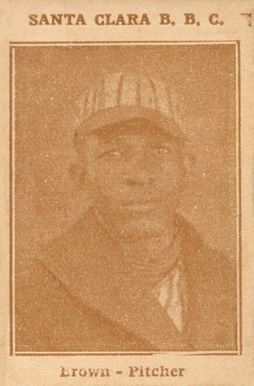
Dave K. Brown (June 9, 1897 – May 24, 1985) was an American left-handed pitcher in Negro league baseball. Considered one of the better pitchers in Negro league history, he was also known for serious off-the-field problems. His career came to a premature end when he became a fugitive after allegedly killing a man in 1925. According to his Society for American Baseball Research (SABR) biography, he was innocent of the crime and continued to play baseball under the alias "Lefty Wilson" before retiring and quietly living the rest of his life as "Alfred Basil Brown," dying in 1985.
Brown’s career winning percentage (62–22, .738) and earned run average (2.39) is the best of any Negro Major League pitcher with at least 600 innings pitched
Brown was born in Marquez, Texas. He was the ninth and final child to farm laborers Silas and Anna Brown. He had a good curveball and excellent control. He was also a good fielder and had outstanding speed, but was a weak hitter. Brown played with the Dallas Black Giants in 1917 and 1918. He was regarded as a "timid nice guy" who did not cause trouble, but during his time with the Black Giants, he was allegedly involved in a highway robbery. Although Brown was reported to have become a fugitive, Rube Foster agreed to pay $20,000 for Brown's parole, and he became a member of Foster's Chicago American Giants. However, this story may have been fabricated by Foster after Brown left the team. According to baseball researcher Frederick C. Bush, "it is also quite likely that, in his fit of pique in 1923, Foster attributed [Dave's brother] Webster's criminal history to Dave to smear his reputation."
After being used sparingly in 1919, Brown became the ace of the American Giants as they dominated Negro league baseball in the early 1920s. From 1920 through 1922, he posted a 43–8 record in league games.
In 1920, Brown led the Negro National League in ERA (1.82) and WHIP (0.908), compiling a 13–3 record to lead his team in wins. The American Giants won the pennant and engaged in a successful barnstorming tour after the season. Brown's 17–2 record led the team to another pennant in 1921, with his 1.004 WHIP leading the league and his 2.50 ERA second behind Bullet Rogan. For the second consecutive year, the American Giants played a postseason series against the Bacharach Giants, one of the best black baseball teams on the East Coast. After pitching well against the Bacharach Giants in 1920, Brown won three games in the 1921 series.
Brown was the only pitcher from the 1921 team to return to the American Giants in 1922. His 13–3 record contributed to another pennant, and he remained in the league's top five in most major pitching statistics. In the winter following the 1922 season, Brown joined Oscar Charleston for the first season of the Cuban League's Leopardos de Santa Clara.
Before the 1923 season, Brown left the American Giants for the New York Lincoln Giants of the newly formed Eastern Colored League. Foster voiced his displeasure, claiming that Brown had been paroled to him and that he had promised Brown's mother to take care of him. Foster asserted that the public would vilify Brown if he reneged on Foster's trust. Brown "appeared simply to shrug off Foster's allegations," but his performance on the field declined in 1923. He posted a 5–6 record, and his ERA rose to 3.28, only the second best on the Lincoln Giants. Brown, Charleston, and numerous other Negro League players competed in Cuba with the Leopardos the following winter. Santa Clara compiled one of the best records in Cuban baseball history, and Brown's performance improved; he maintained a 2.06 ERA across 16 games.
In 1924, the Lincoln Giants took an early lead in the standings but fell to third place by the end of the season. Brown led the league in ERA (2.00) and WHIP (1.041) while finishing second in wins and strikeouts behind Nip Winters. Brown helped the Lincoln Giants win the New York City championship in a victory over the Brooklyn Royal Giants.
Hub AI
Dave Brown (baseball) AI simulator
(@Dave Brown (baseball)_simulator)
Dave Brown (baseball)
Dave K. Brown (June 9, 1897 – May 24, 1985) was an American left-handed pitcher in Negro league baseball. Considered one of the better pitchers in Negro league history, he was also known for serious off-the-field problems. His career came to a premature end when he became a fugitive after allegedly killing a man in 1925. According to his Society for American Baseball Research (SABR) biography, he was innocent of the crime and continued to play baseball under the alias "Lefty Wilson" before retiring and quietly living the rest of his life as "Alfred Basil Brown," dying in 1985.
Brown’s career winning percentage (62–22, .738) and earned run average (2.39) is the best of any Negro Major League pitcher with at least 600 innings pitched
Brown was born in Marquez, Texas. He was the ninth and final child to farm laborers Silas and Anna Brown. He had a good curveball and excellent control. He was also a good fielder and had outstanding speed, but was a weak hitter. Brown played with the Dallas Black Giants in 1917 and 1918. He was regarded as a "timid nice guy" who did not cause trouble, but during his time with the Black Giants, he was allegedly involved in a highway robbery. Although Brown was reported to have become a fugitive, Rube Foster agreed to pay $20,000 for Brown's parole, and he became a member of Foster's Chicago American Giants. However, this story may have been fabricated by Foster after Brown left the team. According to baseball researcher Frederick C. Bush, "it is also quite likely that, in his fit of pique in 1923, Foster attributed [Dave's brother] Webster's criminal history to Dave to smear his reputation."
After being used sparingly in 1919, Brown became the ace of the American Giants as they dominated Negro league baseball in the early 1920s. From 1920 through 1922, he posted a 43–8 record in league games.
In 1920, Brown led the Negro National League in ERA (1.82) and WHIP (0.908), compiling a 13–3 record to lead his team in wins. The American Giants won the pennant and engaged in a successful barnstorming tour after the season. Brown's 17–2 record led the team to another pennant in 1921, with his 1.004 WHIP leading the league and his 2.50 ERA second behind Bullet Rogan. For the second consecutive year, the American Giants played a postseason series against the Bacharach Giants, one of the best black baseball teams on the East Coast. After pitching well against the Bacharach Giants in 1920, Brown won three games in the 1921 series.
Brown was the only pitcher from the 1921 team to return to the American Giants in 1922. His 13–3 record contributed to another pennant, and he remained in the league's top five in most major pitching statistics. In the winter following the 1922 season, Brown joined Oscar Charleston for the first season of the Cuban League's Leopardos de Santa Clara.
Before the 1923 season, Brown left the American Giants for the New York Lincoln Giants of the newly formed Eastern Colored League. Foster voiced his displeasure, claiming that Brown had been paroled to him and that he had promised Brown's mother to take care of him. Foster asserted that the public would vilify Brown if he reneged on Foster's trust. Brown "appeared simply to shrug off Foster's allegations," but his performance on the field declined in 1923. He posted a 5–6 record, and his ERA rose to 3.28, only the second best on the Lincoln Giants. Brown, Charleston, and numerous other Negro League players competed in Cuba with the Leopardos the following winter. Santa Clara compiled one of the best records in Cuban baseball history, and Brown's performance improved; he maintained a 2.06 ERA across 16 games.
In 1924, the Lincoln Giants took an early lead in the standings but fell to third place by the end of the season. Brown led the league in ERA (2.00) and WHIP (1.041) while finishing second in wins and strikeouts behind Nip Winters. Brown helped the Lincoln Giants win the New York City championship in a victory over the Brooklyn Royal Giants.