
Recent from talks
Deng Yingchao
Knowledge base stats:
Talk channels stats:
Members stats:
Deng Yingchao
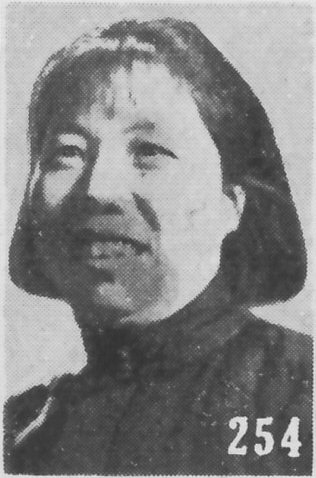
Deng Yingchao (simplified Chinese: 邓颖超; traditional Chinese: 鄧穎超; pinyin: Dèng Yǐngchāo; Jyutping: Dang6 Wing6-ciu1; 4 February 1904 – 11 July 1992) was a prominent Chinese revolutionary, politician, and women's rights advocate who played a significant role in the Chinese Communist Party (CCP) for over six decades. She served as Chairwoman of the Chinese People's Political Consultative Conference from 1983 to 1988 and was the wife of Zhou Enlai, the first Premier of the People's Republic of China.
Born in Guangxi in 1904, Deng emerged as a pioneering feminist leader in Tianjin around the 1920s, where she founded women's organizations and publications advocating for education, employment rights, and opposition to arranged marriage and foot-binding. After joining the Chinese Communist Party and marrying Zhou Enlai in 1925, she experienced the Long March and remained active in Party efforts through the Second Sino-Japanese War. Following the establishment of the People's Republic in 1949, she held influential positions and played key roles in drafting China's Marriage Law, promoting women's participation in land reform, and advocating birth control policies. In the Reform Era, she was appointed to the CCP Politburo and led international activities until her health declined in the late 1980s.
Deng Yingchao was born on 4 February 1904 as Deng Yu'ai (邓玉爱) in Nanning, Guangxi, with ancestral roots in Guangshan County, Henan. Her father, Deng Tingzhong (邓庭忠), practiced martial arts from an early age and later passed the imperial military examination, after which he was appointed as a garrison commander in Nanning. Her mother, Yang Zhende (杨振德), was born into a wealthy family in Changsha, Hunan, and was literate and educated in Traditional Chinese medicine. Following her family's decline, Yang married Deng Tingzhong.
Influenced by feudal patriarchal values, Deng Tingzhong preferred sons over daughters. Upon Deng Yingchao's birth, he intended to give her away, but Yang resisted desperately, even threatening her own life, to keep and raise the child. Deng Tingzhong showed little affection toward his daughter growing up.
Although her husband's position could have provided a comfortable life, Yang chose to live independently and supported herself by practicing medicine and teaching at an elementary school rather than by relying on him. When Deng Yingchao was about three years old, her father was exiled to Xinjiang, placing the financial burden entirely on her mother. As the family of a convicted official, Yang was no longer permitted to practice medicine in Nanning, so she decided to leave the city. To make a living and support the family, the mother and daughter moved from place to place, living successively in several cities including Guangzhou, Shanghai, and Tianjin. Despite living in poverty, these experiences broadened Deng's horizons and enriched her knowledge. Her mother taught her to read and traditional Chinese culture and opposed foot-binding for her daughter. At the age of seven, Deng began learning weaving and knitting to earn money. Around that time, her father died in Xinjiang.
In 1913, nine-year-old Deng began attending school when she and her mother moved to Beijing after Yang obtained a teaching position. Her mother gave her the formal name Deng Wenshu (邓文淑) for school. Yang actively read progressive articles and books, engaging with ideas of freedom and equality, which deeply influenced her daughter. In 1916, Deng entered the Zhili First Women's Normal School (直隶第一女子师范学校) with full scholarship, where she received a comprehensive education in various subjects. She was reported to have been among the top five students in her school.
In 1919, at the age of fifteen, Deng participated as a team leader in the May Fourth Movement, where she met Zhou Enlai, whom she would marry in 1925 and who would later become the Premier of China. During the May Fourth Movement, Deng held a pessimistic view of marriage, believing that a woman's life effectively ended when she married.
Also in 1919, Deng Yingchao helped establish the Tianjin Women Patriots' Association (Tianjin nüjie aiguo tongzhihui, 天津女界爱国同志会), which called on women to step beyond the boundaries of the household and societal expectations to participate in the "patriotic movement". As the head of its lecture group, she delivered speeches that initially appealed to women's patriotism and later expanded to advocate women's education, employment, independence, opposition to feudal marriage, and the abolition of foot-binding.
Hub AI
Deng Yingchao AI simulator
(@Deng Yingchao_simulator)
Deng Yingchao
Deng Yingchao (simplified Chinese: 邓颖超; traditional Chinese: 鄧穎超; pinyin: Dèng Yǐngchāo; Jyutping: Dang6 Wing6-ciu1; 4 February 1904 – 11 July 1992) was a prominent Chinese revolutionary, politician, and women's rights advocate who played a significant role in the Chinese Communist Party (CCP) for over six decades. She served as Chairwoman of the Chinese People's Political Consultative Conference from 1983 to 1988 and was the wife of Zhou Enlai, the first Premier of the People's Republic of China.
Born in Guangxi in 1904, Deng emerged as a pioneering feminist leader in Tianjin around the 1920s, where she founded women's organizations and publications advocating for education, employment rights, and opposition to arranged marriage and foot-binding. After joining the Chinese Communist Party and marrying Zhou Enlai in 1925, she experienced the Long March and remained active in Party efforts through the Second Sino-Japanese War. Following the establishment of the People's Republic in 1949, she held influential positions and played key roles in drafting China's Marriage Law, promoting women's participation in land reform, and advocating birth control policies. In the Reform Era, she was appointed to the CCP Politburo and led international activities until her health declined in the late 1980s.
Deng Yingchao was born on 4 February 1904 as Deng Yu'ai (邓玉爱) in Nanning, Guangxi, with ancestral roots in Guangshan County, Henan. Her father, Deng Tingzhong (邓庭忠), practiced martial arts from an early age and later passed the imperial military examination, after which he was appointed as a garrison commander in Nanning. Her mother, Yang Zhende (杨振德), was born into a wealthy family in Changsha, Hunan, and was literate and educated in Traditional Chinese medicine. Following her family's decline, Yang married Deng Tingzhong.
Influenced by feudal patriarchal values, Deng Tingzhong preferred sons over daughters. Upon Deng Yingchao's birth, he intended to give her away, but Yang resisted desperately, even threatening her own life, to keep and raise the child. Deng Tingzhong showed little affection toward his daughter growing up.
Although her husband's position could have provided a comfortable life, Yang chose to live independently and supported herself by practicing medicine and teaching at an elementary school rather than by relying on him. When Deng Yingchao was about three years old, her father was exiled to Xinjiang, placing the financial burden entirely on her mother. As the family of a convicted official, Yang was no longer permitted to practice medicine in Nanning, so she decided to leave the city. To make a living and support the family, the mother and daughter moved from place to place, living successively in several cities including Guangzhou, Shanghai, and Tianjin. Despite living in poverty, these experiences broadened Deng's horizons and enriched her knowledge. Her mother taught her to read and traditional Chinese culture and opposed foot-binding for her daughter. At the age of seven, Deng began learning weaving and knitting to earn money. Around that time, her father died in Xinjiang.
In 1913, nine-year-old Deng began attending school when she and her mother moved to Beijing after Yang obtained a teaching position. Her mother gave her the formal name Deng Wenshu (邓文淑) for school. Yang actively read progressive articles and books, engaging with ideas of freedom and equality, which deeply influenced her daughter. In 1916, Deng entered the Zhili First Women's Normal School (直隶第一女子师范学校) with full scholarship, where she received a comprehensive education in various subjects. She was reported to have been among the top five students in her school.
In 1919, at the age of fifteen, Deng participated as a team leader in the May Fourth Movement, where she met Zhou Enlai, whom she would marry in 1925 and who would later become the Premier of China. During the May Fourth Movement, Deng held a pessimistic view of marriage, believing that a woman's life effectively ended when she married.
Also in 1919, Deng Yingchao helped establish the Tianjin Women Patriots' Association (Tianjin nüjie aiguo tongzhihui, 天津女界爱国同志会), which called on women to step beyond the boundaries of the household and societal expectations to participate in the "patriotic movement". As the head of its lecture group, she delivered speeches that initially appealed to women's patriotism and later expanded to advocate women's education, employment, independence, opposition to feudal marriage, and the abolition of foot-binding.
Recent media