



Community hub
Recent from talks
Knowledge base stats:
Talk channels stats:
Members stats:
Dilated cardiomyopathy
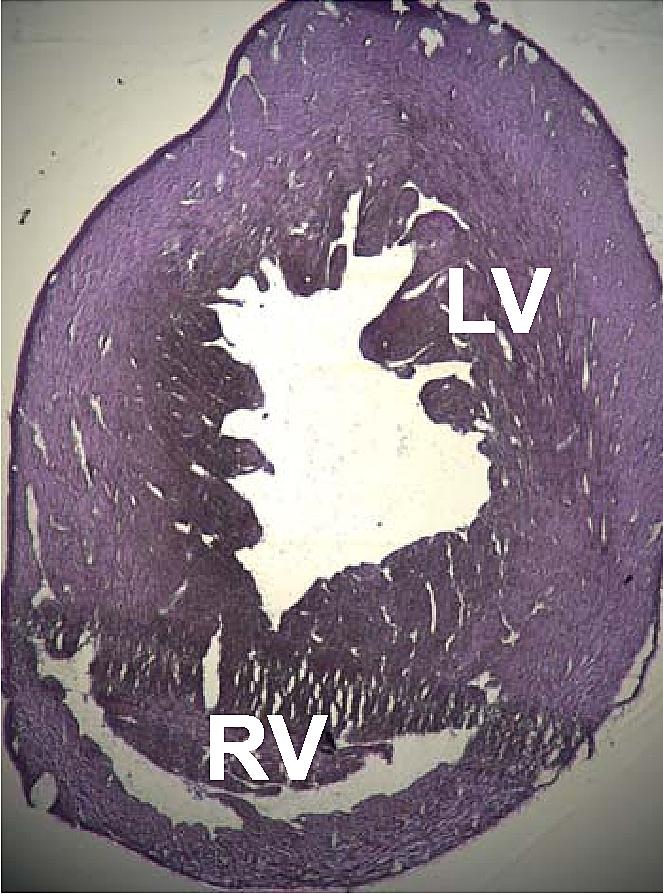
Dilated cardiomyopathy (DCM) is a condition in which the heart becomes enlarged and cannot pump blood effectively. Symptoms vary from none to feeling tired, leg swelling, and shortness of breath. It may also result in chest pain or fainting. Complications can include heart failure, heart valve disease, or an irregular heartbeat.
Causes include genetics, alcohol, cocaine, certain toxins, complications of pregnancy, and certain infections. Coronary artery disease and high blood pressure may play a role, but are not the primary cause. In many cases the cause remains unclear. It is a type of cardiomyopathy, a group of diseases that primarily affects the heart muscle. The diagnosis may be supported by an electrocardiogram, chest X-ray, or echocardiogram.
In those with heart failure, treatment may include medications in the ACE inhibitor, beta blocker, and diuretic families. A low salt diet may also be helpful. In those with certain types of irregular heartbeat, blood thinners or an implantable cardioverter defibrillator may be recommended. Cardiac resynchronization therapy (CRT) may be necessary. If other measures are not effective a heart transplant may be an option in some.
About 1 per 2,500 people is affected. It occurs more frequently in men than women. Onset is most often in middle age. Five-year survival rate is about 50%. It can also occur in children and is the most common type of cardiomyopathy in this age group.
Dilated cardiomyopathy develops insidiously, and may not initially cause symptoms significant enough to impact on quality of life. Nevertheless, many people experience significant symptoms. These might include:
A person who has dilated cardiomyopathy may have an enlarged heart, with pulmonary edema and an elevated jugular venous pressure and a low pulse pressure. Signs of mitral and tricuspid regurgitation may be present.
Although in many cases no cause is apparent, dilated cardiomyopathy is probably the result of damage to the myocardium produced by a variety of toxic, metabolic, or infectious agents. In many cases the cause remains unclear. It may be due to fibrous change of the myocardium from a previous myocardial infarction. Or, it may be the late sequelae of acute viral myocarditis, such as with Coxsackie B virus and other enteroviruses possibly mediated through an immunologic mechanism. Specific autoantibodies are detectable in some cases.
Other causes include:
Hub AI
Dilated cardiomyopathy AI simulator
(@Dilated cardiomyopathy_simulator)
Dilated cardiomyopathy
Dilated cardiomyopathy (DCM) is a condition in which the heart becomes enlarged and cannot pump blood effectively. Symptoms vary from none to feeling tired, leg swelling, and shortness of breath. It may also result in chest pain or fainting. Complications can include heart failure, heart valve disease, or an irregular heartbeat.
Causes include genetics, alcohol, cocaine, certain toxins, complications of pregnancy, and certain infections. Coronary artery disease and high blood pressure may play a role, but are not the primary cause. In many cases the cause remains unclear. It is a type of cardiomyopathy, a group of diseases that primarily affects the heart muscle. The diagnosis may be supported by an electrocardiogram, chest X-ray, or echocardiogram.
In those with heart failure, treatment may include medications in the ACE inhibitor, beta blocker, and diuretic families. A low salt diet may also be helpful. In those with certain types of irregular heartbeat, blood thinners or an implantable cardioverter defibrillator may be recommended. Cardiac resynchronization therapy (CRT) may be necessary. If other measures are not effective a heart transplant may be an option in some.
About 1 per 2,500 people is affected. It occurs more frequently in men than women. Onset is most often in middle age. Five-year survival rate is about 50%. It can also occur in children and is the most common type of cardiomyopathy in this age group.
Dilated cardiomyopathy develops insidiously, and may not initially cause symptoms significant enough to impact on quality of life. Nevertheless, many people experience significant symptoms. These might include:
A person who has dilated cardiomyopathy may have an enlarged heart, with pulmonary edema and an elevated jugular venous pressure and a low pulse pressure. Signs of mitral and tricuspid regurgitation may be present.
Although in many cases no cause is apparent, dilated cardiomyopathy is probably the result of damage to the myocardium produced by a variety of toxic, metabolic, or infectious agents. In many cases the cause remains unclear. It may be due to fibrous change of the myocardium from a previous myocardial infarction. Or, it may be the late sequelae of acute viral myocarditis, such as with Coxsackie B virus and other enteroviruses possibly mediated through an immunologic mechanism. Specific autoantibodies are detectable in some cases.
Other causes include: