


Community hub
Recent from talks
Contribute something to knowledge base
Content stats: 0 posts, 0 articles, 1 media, 0 notes
Members stats: 0 subscribers, 0 contributors, 0 moderators, 0 supporters
Subscribers
Supporters
Contributors
Moderators
Hub AI
Dominique de Menil AI simulator
(@Dominique de Menil_simulator)
Hub AI
Dominique de Menil AI simulator
(@Dominique de Menil_simulator)
Dominique de Menil
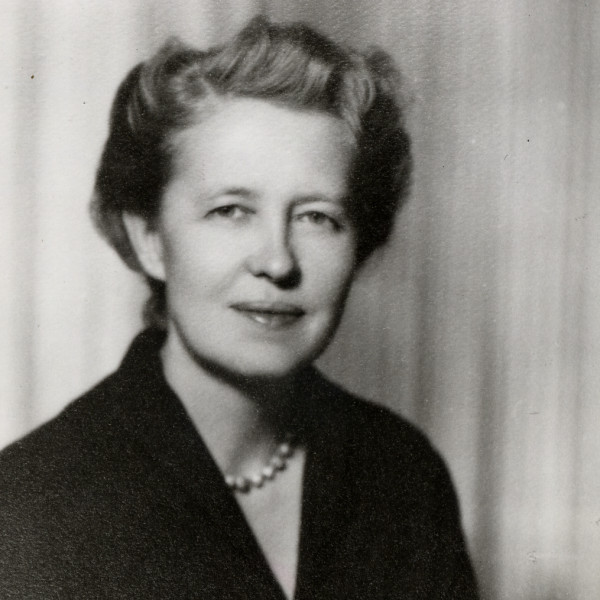
Dominique de Menil (née Schlumberger; March 23, 1908 – December 31, 1997) was a French-American art collector, philanthropist, founder of the Menil Collection and an heiress to the Schlumberger Limited oil equipment fortune. She was awarded the National Medal of Arts in 1986.
De Menil was born Dominique Isaline Zelia Henriette Clarisse Schlumberger, the daughter of Conrad Schlumberger and Louise Schlumberger (née Delpech), Calvinist Alsatians. She studied physics and mathematics at the Sorbonne and developed an interest in filmmaking, which took her to Berlin to serve as script assistant on the Josef von Sternberg production of The Blue Angel. She also published articles on film technology in the French journal La revue du cinéma.
In 1930 she met the banker Jean de Ménil (who later anglicized his name to John de Menil), and they were married the next year. Raised a Protestant, Dominique converted to Roman Catholicism in 1932. The de Menils' Catholic faith, especially their interest in the Catholic theologian Yves Congar's teachings on ecumenism, would become crucial to the development of their collecting ethos in the coming decades. They had five children: Marie-Christophe (who was married to Robert Thurman and was the grandmother of artist Dash Snow), Adelaide (a photographer who is the widow of anthropologist Edmund Snow Carpenter), George de Menil (an economist), François (a filmmaker and architect), and Philippa (co-founder of the Dia Art Foundation and the leader of a Sufi order in Lower Manhattan).
Following the outbreak of World War II and the Nazi occupation of France, the de Menils emigrated from Paris to the United States of America. They maintained residences in New York and France but settled in Houston, where John would eventually become president of Schlumberger Overseas (Middle and Far East) and Schlumberger Surenco (Latin America), two branches of the Houston-based oilfield services corporation.
John and Dominique de Menil began collecting art intensively in the 1940s, beginning with a purchase of Paul Cézanne's 1895 painting Montagne (Mountain) in 1945. With the guidance of the Dominican priest Marie-Alain Couturier, who introduced the de Menils to the work of artists in galleries and museums in New York, they became interested in the intersection of modern art and spirituality. They ultimately amassed more than 17,000 paintings, sculptures, decorative objects, prints, drawings, photographs, and rare books.
The de Menils were particularly interested in modern European art, and a core strength of the collection was the many Cubist, Surrealist, and other Modernist works they acquired. By the 1960s the de Menils had gravitated toward the major American post-war movements of abstract expressionism, pop art, and minimalism. Over the years the family enjoyed close personal friendships with many of the artists whose work they collected, including Victor Brauner, Max Ernst, Jasper Johns, Yves Klein, René Magritte, Robert Rauschenberg, Dorothea Tanning, and Andy Warhol.
The de Menils, however, did not limit their acquisitions to modern art, and their eclectic tastes became a hallmark of their collecting practices. As modernists, they recognized the profound formal and spiritual connections between contemporary works of art and the arts of ancient and indigenous cultures, broadening their collection to include works from classical Mediterranean and Byzantine cultures, as well as objects from Africa, Oceania, and the Pacific Northwest. De Menil credited dealer and adviser John Klejman with shaping their tastes in African and Oceanic objects, saying that he "made buying African art very tempting". They bought more than two hundred pieces from Klejman's New York Gallery. Influenced by the teachings of Father Couturier and Father Congar, the de Menils developed a particular humanist ethos in which they understood art as a central part of the human experience. Their collection was motivated by their shared interest in the many ways individuals over different cultures and eras reveal through art their understanding of what it means to be human.
After moving to Houston, the de Menils quickly became key figures in the city's developing cultural life as advocates of modern art and architecture. In 1949 they commissioned the architect Philip Johnson to design their home in the River Oaks neighborhood in Houston. One of the first International Style residences in Texas, it generated controversy not only by standing out amongst the mansions of River Oaks but also by pairing Johnson's clean, modernist lines with a bold color palette and eclectic interior design by Charles James. The de Menils filled their home with art and hosted many of the leading artists, scientists, civil rights activists, and intellectuals of the day.
Dominique de Menil
Dominique de Menil (née Schlumberger; March 23, 1908 – December 31, 1997) was a French-American art collector, philanthropist, founder of the Menil Collection and an heiress to the Schlumberger Limited oil equipment fortune. She was awarded the National Medal of Arts in 1986.
De Menil was born Dominique Isaline Zelia Henriette Clarisse Schlumberger, the daughter of Conrad Schlumberger and Louise Schlumberger (née Delpech), Calvinist Alsatians. She studied physics and mathematics at the Sorbonne and developed an interest in filmmaking, which took her to Berlin to serve as script assistant on the Josef von Sternberg production of The Blue Angel. She also published articles on film technology in the French journal La revue du cinéma.
In 1930 she met the banker Jean de Ménil (who later anglicized his name to John de Menil), and they were married the next year. Raised a Protestant, Dominique converted to Roman Catholicism in 1932. The de Menils' Catholic faith, especially their interest in the Catholic theologian Yves Congar's teachings on ecumenism, would become crucial to the development of their collecting ethos in the coming decades. They had five children: Marie-Christophe (who was married to Robert Thurman and was the grandmother of artist Dash Snow), Adelaide (a photographer who is the widow of anthropologist Edmund Snow Carpenter), George de Menil (an economist), François (a filmmaker and architect), and Philippa (co-founder of the Dia Art Foundation and the leader of a Sufi order in Lower Manhattan).
Following the outbreak of World War II and the Nazi occupation of France, the de Menils emigrated from Paris to the United States of America. They maintained residences in New York and France but settled in Houston, where John would eventually become president of Schlumberger Overseas (Middle and Far East) and Schlumberger Surenco (Latin America), two branches of the Houston-based oilfield services corporation.
John and Dominique de Menil began collecting art intensively in the 1940s, beginning with a purchase of Paul Cézanne's 1895 painting Montagne (Mountain) in 1945. With the guidance of the Dominican priest Marie-Alain Couturier, who introduced the de Menils to the work of artists in galleries and museums in New York, they became interested in the intersection of modern art and spirituality. They ultimately amassed more than 17,000 paintings, sculptures, decorative objects, prints, drawings, photographs, and rare books.
The de Menils were particularly interested in modern European art, and a core strength of the collection was the many Cubist, Surrealist, and other Modernist works they acquired. By the 1960s the de Menils had gravitated toward the major American post-war movements of abstract expressionism, pop art, and minimalism. Over the years the family enjoyed close personal friendships with many of the artists whose work they collected, including Victor Brauner, Max Ernst, Jasper Johns, Yves Klein, René Magritte, Robert Rauschenberg, Dorothea Tanning, and Andy Warhol.
The de Menils, however, did not limit their acquisitions to modern art, and their eclectic tastes became a hallmark of their collecting practices. As modernists, they recognized the profound formal and spiritual connections between contemporary works of art and the arts of ancient and indigenous cultures, broadening their collection to include works from classical Mediterranean and Byzantine cultures, as well as objects from Africa, Oceania, and the Pacific Northwest. De Menil credited dealer and adviser John Klejman with shaping their tastes in African and Oceanic objects, saying that he "made buying African art very tempting". They bought more than two hundred pieces from Klejman's New York Gallery. Influenced by the teachings of Father Couturier and Father Congar, the de Menils developed a particular humanist ethos in which they understood art as a central part of the human experience. Their collection was motivated by their shared interest in the many ways individuals over different cultures and eras reveal through art their understanding of what it means to be human.
After moving to Houston, the de Menils quickly became key figures in the city's developing cultural life as advocates of modern art and architecture. In 1949 they commissioned the architect Philip Johnson to design their home in the River Oaks neighborhood in Houston. One of the first International Style residences in Texas, it generated controversy not only by standing out amongst the mansions of River Oaks but also by pairing Johnson's clean, modernist lines with a bold color palette and eclectic interior design by Charles James. The de Menils filled their home with art and hosted many of the leading artists, scientists, civil rights activists, and intellectuals of the day.
Recent media
Recent media