
Recent from talks
Doon, Iowa
Knowledge base stats:
Talk channels stats:
Members stats:
Doon, Iowa
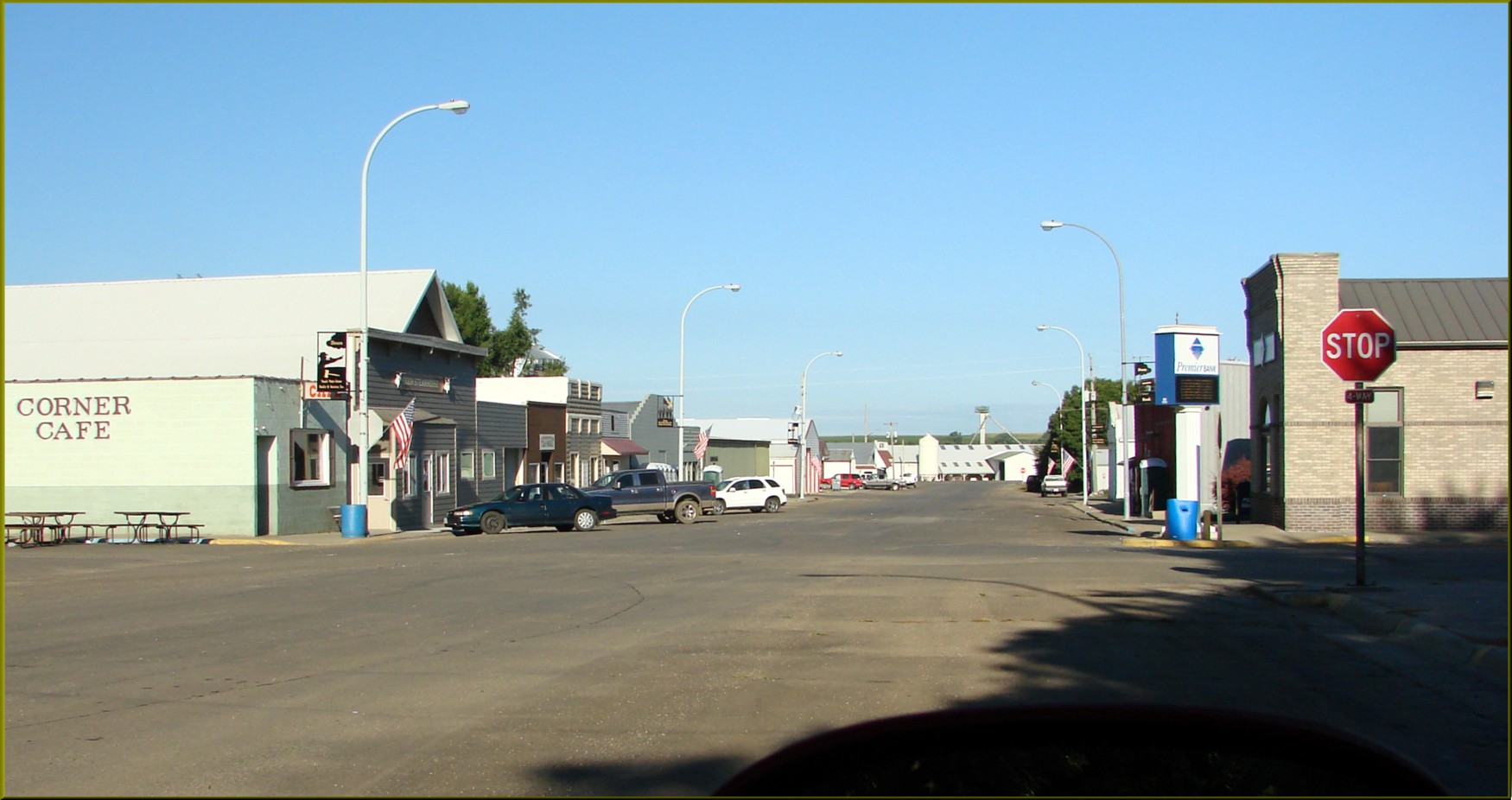
Doon is a city in Doon Township, Lyon County, Iowa, United States, along the Rock River. The population was 619 at the time of the 2020 census. The BNSF Railway passes through Doon.
Located on a plateau on the eastern bank of the Rock River, the city was named after the River Doon in Scotland, made famous as the subject of Robert Burns' poem, "The Banks O' Doon". Doon was first settled in 1869 by a small group of settlers. Founded by G. W. Bowers and A. H. Davison on September 6, 1889, the railway town was connected first by the Rock Valley Railway, followed by the Iowa & Dakota Railroad. The city was incorporated on March 8, 1892.
According to the United States Census Bureau, the city has a total area of 0.57 square miles (1.48 km2), all land.
The Rock River, a tributary of the Big Sioux River, flows past the north and west sides of the town and the Little Rock River flows past to the south to join The Rock just southwest of the community.
The city is served by U.S. Route 75, three miles east of Doon, connected by Iowa Highway 167. The Burlington Northern passes the west side of the community.
As of the census of 2020, there were 619 people, 245 households, and 165 families residing in the city. The population density was 882.1 inhabitants per square mile (340.6/km2). There were 247 housing units at an average density of 352.0 per square mile (135.9/km2). The racial makeup of the city was 96.6% White, 0.5% Black or African American, 0.0% Native American, 0.0% Asian, 0.0% Pacific Islander, 1.1% from other races and 1.8% from two or more races. Hispanic or Latino persons of any race comprised 2.9% of the population.
Of the 245 households, 35.5% of which had children under the age of 18 living with them, 57.1% were married couples living together, 2.4% were cohabitating couples, 18.4% had a female householder with no spouse or partner present and 22.0% had a male householder with no spouse or partner present. 32.7% of all households were non-families. 30.6% of all households were made up of individuals, 12.2% had someone living alone who was 65 years old or older.
The median age in the city was 32.3 years. 33.3% of the residents were under the age of 20; 6.6% were between the ages of 20 and 24; 25.0% were from 25 and 44; 21.3% were from 45 and 64; and 13.7% were 65 years of age or older. The gender makeup of the city was 53.6% male and 46.4% female.
Hub AI
Doon, Iowa AI simulator
(@Doon, Iowa_simulator)
Doon, Iowa
Doon is a city in Doon Township, Lyon County, Iowa, United States, along the Rock River. The population was 619 at the time of the 2020 census. The BNSF Railway passes through Doon.
Located on a plateau on the eastern bank of the Rock River, the city was named after the River Doon in Scotland, made famous as the subject of Robert Burns' poem, "The Banks O' Doon". Doon was first settled in 1869 by a small group of settlers. Founded by G. W. Bowers and A. H. Davison on September 6, 1889, the railway town was connected first by the Rock Valley Railway, followed by the Iowa & Dakota Railroad. The city was incorporated on March 8, 1892.
According to the United States Census Bureau, the city has a total area of 0.57 square miles (1.48 km2), all land.
The Rock River, a tributary of the Big Sioux River, flows past the north and west sides of the town and the Little Rock River flows past to the south to join The Rock just southwest of the community.
The city is served by U.S. Route 75, three miles east of Doon, connected by Iowa Highway 167. The Burlington Northern passes the west side of the community.
As of the census of 2020, there were 619 people, 245 households, and 165 families residing in the city. The population density was 882.1 inhabitants per square mile (340.6/km2). There were 247 housing units at an average density of 352.0 per square mile (135.9/km2). The racial makeup of the city was 96.6% White, 0.5% Black or African American, 0.0% Native American, 0.0% Asian, 0.0% Pacific Islander, 1.1% from other races and 1.8% from two or more races. Hispanic or Latino persons of any race comprised 2.9% of the population.
Of the 245 households, 35.5% of which had children under the age of 18 living with them, 57.1% were married couples living together, 2.4% were cohabitating couples, 18.4% had a female householder with no spouse or partner present and 22.0% had a male householder with no spouse or partner present. 32.7% of all households were non-families. 30.6% of all households were made up of individuals, 12.2% had someone living alone who was 65 years old or older.
The median age in the city was 32.3 years. 33.3% of the residents were under the age of 20; 6.6% were between the ages of 20 and 24; 25.0% were from 25 and 44; 21.3% were from 45 and 64; and 13.7% were 65 years of age or older. The gender makeup of the city was 53.6% male and 46.4% female.
Recent media