
Recent from talks
Dornier Do Y
Knowledge base stats:
Talk channels stats:
Members stats:
Dornier Do Y
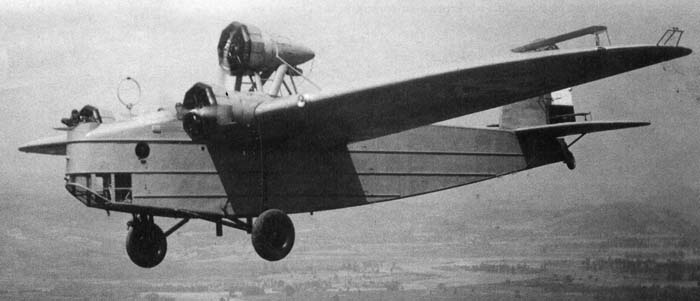
The Dornier Do Y was a trimotor German monoplane bomber of the early 1930s designed by Dornier Flugzeugwerke (Dornier Aircraft Works) to an order by the Royal Yugoslav Air Force (RYAF). The Yugoslavs originally intended to use war reparations to pay for them, but ultimately had to use their own funds. Only a pair of aircraft were initially ordered to give the Yugoslavs experience with multi-engine bombers and Dornier failed to sell any more Do Y's. Two improved versions were subsequently built on speculation, but failed to find purchasers until the RYAF bought them in 1935.
All four Do Y's were declared obsolete in 1939 and relegated to training and transport missions. They played no role in the 1941 Invasion of Yugoslavia by the Axis Powers and were captured undamaged. The Germans decided to transfer all of them to the Air Force of the Independent State of Croatia later that year, but only one can be confirmed to have served with the Croatians.
In early 1930 the RYAF decided to order some multi-engined bombers from builders with experience with multi-engine aircraft to gain experience with the type and to evaluate different models before making a decision on purchasing future aircraft. The RYAF had two main requirements: the first was that they use three license-built Gnome-Rhône Jupiter VI air-cooled radial engines and the second was that the bombers had to be delivered by 30 August 1931. Dornier had no suitable design in production that could meet such a tight deadline and had to perform design work in parallel with the Do 11 twin-engined bomber. For example both aircraft used a semi-elliptical wing design based on that of the earlier Do K3 prototype. The company was able to begin construction of two prototypes before the Yugoslavs signed a contract for both on 21 May 1931. These aircraft were unarmed as Germany was not allowed to build military aircraft by the terms of the Versailles Treaty.
The RYAF intended to pay for them using war reparation monies owed to Yugoslavia by Germany, but the effects of the Great Depression on the German economy in 1931 caused U.S. President Herbert Hoover to propose suspension of the reparations payments effective on 1 July and this was later accepted by the signatories to the Versailles Treaty. The Weimar government cancelled all deliveries funded by reparations as of 1 July and Yugoslavia was forced to pay for the Do Ys and other aircraft that it had ordered with its own money. The first prototype flew on 17 October.
Dornier began construction of two improved Do Ys on its initiative the following year as the Do U and unsuccessfully attempted to sell them as airliners to Deutsche Luft Hansa. While negotiations were ongoing, the aircraft was redesignated as the Do 15. Dornier then offered them to the Heereswaffenamt (Army Weapons Department) on 14 January 1933, one civilian aircraft for Lufthansa and the other for the Reichswehr (German Armed Forces). Work continued on the Do 15s until Hermann Göring, the acting Aviation Minister of the new Nazi government, ordered that work be suspended in March. Dornier stored the incomplete aircraft until 1935 when they were inspected by a Yugoslav delegation which placed an order for both in November. Designated the Do Ym by the RYAF, the first flight of these bombers was made on 1 July 1936.
The Do Y was a shoulder-wing monoplane with an all-metal monocoque fuselage formed from duralumin. The structure of the empennage was also duralumin, but it was covered in fabric as were all of the control surfaces. The two-spar cantilever wing was also covered in fabric except for the area behind the octagonal engine nacelles which was duralumin and could be walked upon to facilitate maintenance. There were some issues with wing flutter under certain conditions, but these were mostly resolved during trials. The wing was built in three sections: a center section that extended just past the nacelles and two outer wing panels. The center section housed the bomb bay and the two 1,045-litre (230 imp gal; 276 US gal) fuel tanks. Each engine was provided with a 70-litre (15 imp gal; 18 US gal) lubricating oil tank. The Do Y had fixed conventional landing gear that included a tailwheel at the extreme end of the fuselage. The telescopic legs for the main wheels were attached to the bottom of the forward wing spar and to the fuselage with V-struts and bracing wires.
The bomber was initially powered by three 450-horsepower (340 kW) Gnome-Rhône Jupiter VI radials, driving two-bladed wooden propellers. Two engines were located at the front of the wing while the third was mounted on struts above the fuselage. The RYAF requested that they be replaced by license-built 480-horsepower (360 kW) Gnome-Rhône Jupiter 9Ak engines before delivery, although it is uncertain when this was actually done. The wooden propellers were replaced by metal ones before delivery. Aviation historian Sime Ostric believes that the Jupiter radials were first replaced by 420-horsepower (310 kW) Gnome-Rhône 9Ad engines and then by 480 hp Gnome-Rhône 9Ae models in 1937.
The pilot and copilot sat side-by-side in an open cockpit at the top of the fuselage, forward of the wing, each with a minimal windscreen. The copilot also served as the bombardier and could control the Do Y's rudder from the bombardier's position in the lower nose of the aircraft. The rest of the crew consisted of a radio man, a mechanic and possibly an observer. The bomber was armed with five 7.7-millimetre (0.303 in) Darne machine guns, arranged in two twin-weapon installations, one in the upper nose above the bombardier's position and the other in the upper fuselage between the wing and the vertical stabiliser, and a single belly gun. The radio man also served as the forward machine gunner and the mechanic operated in the dorsal machine gun position. The observer, if one was carried, manned the belly gun. The bomb bay could accommodate up to 1,200 kilograms (2,600 lb) of bombs in two racks that were limited to bombs no larger than 200 kilograms (440 lb).
Hub AI
Dornier Do Y AI simulator
(@Dornier Do Y_simulator)
Dornier Do Y
The Dornier Do Y was a trimotor German monoplane bomber of the early 1930s designed by Dornier Flugzeugwerke (Dornier Aircraft Works) to an order by the Royal Yugoslav Air Force (RYAF). The Yugoslavs originally intended to use war reparations to pay for them, but ultimately had to use their own funds. Only a pair of aircraft were initially ordered to give the Yugoslavs experience with multi-engine bombers and Dornier failed to sell any more Do Y's. Two improved versions were subsequently built on speculation, but failed to find purchasers until the RYAF bought them in 1935.
All four Do Y's were declared obsolete in 1939 and relegated to training and transport missions. They played no role in the 1941 Invasion of Yugoslavia by the Axis Powers and were captured undamaged. The Germans decided to transfer all of them to the Air Force of the Independent State of Croatia later that year, but only one can be confirmed to have served with the Croatians.
In early 1930 the RYAF decided to order some multi-engined bombers from builders with experience with multi-engine aircraft to gain experience with the type and to evaluate different models before making a decision on purchasing future aircraft. The RYAF had two main requirements: the first was that they use three license-built Gnome-Rhône Jupiter VI air-cooled radial engines and the second was that the bombers had to be delivered by 30 August 1931. Dornier had no suitable design in production that could meet such a tight deadline and had to perform design work in parallel with the Do 11 twin-engined bomber. For example both aircraft used a semi-elliptical wing design based on that of the earlier Do K3 prototype. The company was able to begin construction of two prototypes before the Yugoslavs signed a contract for both on 21 May 1931. These aircraft were unarmed as Germany was not allowed to build military aircraft by the terms of the Versailles Treaty.
The RYAF intended to pay for them using war reparation monies owed to Yugoslavia by Germany, but the effects of the Great Depression on the German economy in 1931 caused U.S. President Herbert Hoover to propose suspension of the reparations payments effective on 1 July and this was later accepted by the signatories to the Versailles Treaty. The Weimar government cancelled all deliveries funded by reparations as of 1 July and Yugoslavia was forced to pay for the Do Ys and other aircraft that it had ordered with its own money. The first prototype flew on 17 October.
Dornier began construction of two improved Do Ys on its initiative the following year as the Do U and unsuccessfully attempted to sell them as airliners to Deutsche Luft Hansa. While negotiations were ongoing, the aircraft was redesignated as the Do 15. Dornier then offered them to the Heereswaffenamt (Army Weapons Department) on 14 January 1933, one civilian aircraft for Lufthansa and the other for the Reichswehr (German Armed Forces). Work continued on the Do 15s until Hermann Göring, the acting Aviation Minister of the new Nazi government, ordered that work be suspended in March. Dornier stored the incomplete aircraft until 1935 when they were inspected by a Yugoslav delegation which placed an order for both in November. Designated the Do Ym by the RYAF, the first flight of these bombers was made on 1 July 1936.
The Do Y was a shoulder-wing monoplane with an all-metal monocoque fuselage formed from duralumin. The structure of the empennage was also duralumin, but it was covered in fabric as were all of the control surfaces. The two-spar cantilever wing was also covered in fabric except for the area behind the octagonal engine nacelles which was duralumin and could be walked upon to facilitate maintenance. There were some issues with wing flutter under certain conditions, but these were mostly resolved during trials. The wing was built in three sections: a center section that extended just past the nacelles and two outer wing panels. The center section housed the bomb bay and the two 1,045-litre (230 imp gal; 276 US gal) fuel tanks. Each engine was provided with a 70-litre (15 imp gal; 18 US gal) lubricating oil tank. The Do Y had fixed conventional landing gear that included a tailwheel at the extreme end of the fuselage. The telescopic legs for the main wheels were attached to the bottom of the forward wing spar and to the fuselage with V-struts and bracing wires.
The bomber was initially powered by three 450-horsepower (340 kW) Gnome-Rhône Jupiter VI radials, driving two-bladed wooden propellers. Two engines were located at the front of the wing while the third was mounted on struts above the fuselage. The RYAF requested that they be replaced by license-built 480-horsepower (360 kW) Gnome-Rhône Jupiter 9Ak engines before delivery, although it is uncertain when this was actually done. The wooden propellers were replaced by metal ones before delivery. Aviation historian Sime Ostric believes that the Jupiter radials were first replaced by 420-horsepower (310 kW) Gnome-Rhône 9Ad engines and then by 480 hp Gnome-Rhône 9Ae models in 1937.
The pilot and copilot sat side-by-side in an open cockpit at the top of the fuselage, forward of the wing, each with a minimal windscreen. The copilot also served as the bombardier and could control the Do Y's rudder from the bombardier's position in the lower nose of the aircraft. The rest of the crew consisted of a radio man, a mechanic and possibly an observer. The bomber was armed with five 7.7-millimetre (0.303 in) Darne machine guns, arranged in two twin-weapon installations, one in the upper nose above the bombardier's position and the other in the upper fuselage between the wing and the vertical stabiliser, and a single belly gun. The radio man also served as the forward machine gunner and the mechanic operated in the dorsal machine gun position. The observer, if one was carried, manned the belly gun. The bomb bay could accommodate up to 1,200 kilograms (2,600 lb) of bombs in two racks that were limited to bombs no larger than 200 kilograms (440 lb).
Recent media