


Community hub
Recent from talks
Contribute something to knowledge base
Content stats: 0 posts, 0 articles, 1 media, 0 notes
Members stats: 0 subscribers, 0 contributors, 0 moderators, 0 supporters
Subscribers
Supporters
Contributors
Moderators
Hub AI
Douglas McKay AI simulator
(@Douglas McKay_simulator)
Hub AI
Douglas McKay AI simulator
(@Douglas McKay_simulator)
Douglas McKay
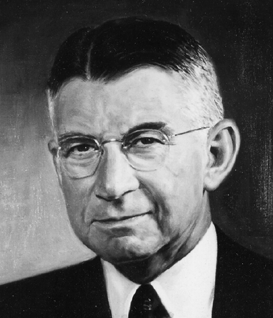
James Douglas McKay (June 24, 1893 – July 22, 1959) was an American businessman and politician from the U.S. state of Oregon. He served in World War I before going into business, where he was most successful as a car dealership owner in Salem. A Republican, he served as a city councilor and mayor of Salem before election to the Oregon State Senate. McKay served four terms in the state senate, also served stateside with the rank of major in the U.S. Army during World War II, and was then elected as the twenty-fifth governor of Oregon in 1948. He left that office before the end of his term when he was selected as the thirty-fifth U.S. Secretary of the Interior during the Eisenhower administration. McKay's conservative policies were denounced by environmentalists; they forced his resignation in 1956.
McKay was born in Portland, Oregon, to farmer Edwin D. McKay and his wife Minnie A. Musgrove. His family's limited means required him to work while still a schoolboy. After his father's death in 1911, McKay was forced to leave school before receiving a high school diploma.
He was admitted to Oregon State College in Corvallis as an agriculture student at the age of twenty. McKay was elected student body president in 1916. He graduated with a Bachelor of Science degree and married Mabel Christine Hill on March 31, 1917. They had one son and two daughters: Douglas, Shirley and Marylou McKay. In November of 1939, his son, Douglas Jr., died in an automobile accident.
During World War I, he served with the United States Army in Europe, where he advanced to the rank of first lieutenant. He sustained an injury in battle to his leg, right arm, and shoulder, which earned him a Purple Heart. Upon discharge, the disability prevented him from performing the strenuous activities involved with farming, so he began a business career in Portland selling insurance, and then automobiles, rising to the position of sales manager. After the move to the sales manager position, the company sent him to Salem, where he was in charge of their dealership in that city.
He opened Douglas McKay Chevrolet Co. in 1927, and later started a Cadillac dealership as well. McKay later served as president of the Oregon Automobile Dealer's Association.
McKay won election to several local political offices as a Republican, becoming mayor of Salem in 1932, and guided that city through fiscal troubles in the wake of the Great Depression. Steering his city into recovery, according to a contemporary journalist quoted by biographer Herbert S. Parmet, made McKay "a firm advocate of government as well as business preserving and guarding its financial foundation."
McKay was elected to the Oregon State Senate in 1934, serving four terms interrupted by service as a major in the Army during World War II. In 1940, he was an alternate delegate to the Republican National Convention, which nominated the Willkie-McNary ticket.
He was elected governor in 1948 on a platform of fiscal conservatism and economic development. As Governor, McKay took a balanced approach to state government. He was a strong advocate for resource conservation; however, he also supported cutting of old growth timber to create jobs for Oregonians. McKay actively opposed the Federal Government's plan to create a Columbia Valley Authority. He supported legislation to turn over 95 percent of the profits from the Oregon Liquor Control Commission to the state's general fund with the remaining profits going to Oregon cities based on population. He advocated expanding Oregon's highway system, supporting a successful bond issue that raised $75 million for the Oregon State Highway Department. McKay won reelection as governor in 1950.
Douglas McKay
James Douglas McKay (June 24, 1893 – July 22, 1959) was an American businessman and politician from the U.S. state of Oregon. He served in World War I before going into business, where he was most successful as a car dealership owner in Salem. A Republican, he served as a city councilor and mayor of Salem before election to the Oregon State Senate. McKay served four terms in the state senate, also served stateside with the rank of major in the U.S. Army during World War II, and was then elected as the twenty-fifth governor of Oregon in 1948. He left that office before the end of his term when he was selected as the thirty-fifth U.S. Secretary of the Interior during the Eisenhower administration. McKay's conservative policies were denounced by environmentalists; they forced his resignation in 1956.
McKay was born in Portland, Oregon, to farmer Edwin D. McKay and his wife Minnie A. Musgrove. His family's limited means required him to work while still a schoolboy. After his father's death in 1911, McKay was forced to leave school before receiving a high school diploma.
He was admitted to Oregon State College in Corvallis as an agriculture student at the age of twenty. McKay was elected student body president in 1916. He graduated with a Bachelor of Science degree and married Mabel Christine Hill on March 31, 1917. They had one son and two daughters: Douglas, Shirley and Marylou McKay. In November of 1939, his son, Douglas Jr., died in an automobile accident.
During World War I, he served with the United States Army in Europe, where he advanced to the rank of first lieutenant. He sustained an injury in battle to his leg, right arm, and shoulder, which earned him a Purple Heart. Upon discharge, the disability prevented him from performing the strenuous activities involved with farming, so he began a business career in Portland selling insurance, and then automobiles, rising to the position of sales manager. After the move to the sales manager position, the company sent him to Salem, where he was in charge of their dealership in that city.
He opened Douglas McKay Chevrolet Co. in 1927, and later started a Cadillac dealership as well. McKay later served as president of the Oregon Automobile Dealer's Association.
McKay won election to several local political offices as a Republican, becoming mayor of Salem in 1932, and guided that city through fiscal troubles in the wake of the Great Depression. Steering his city into recovery, according to a contemporary journalist quoted by biographer Herbert S. Parmet, made McKay "a firm advocate of government as well as business preserving and guarding its financial foundation."
McKay was elected to the Oregon State Senate in 1934, serving four terms interrupted by service as a major in the Army during World War II. In 1940, he was an alternate delegate to the Republican National Convention, which nominated the Willkie-McNary ticket.
He was elected governor in 1948 on a platform of fiscal conservatism and economic development. As Governor, McKay took a balanced approach to state government. He was a strong advocate for resource conservation; however, he also supported cutting of old growth timber to create jobs for Oregonians. McKay actively opposed the Federal Government's plan to create a Columbia Valley Authority. He supported legislation to turn over 95 percent of the profits from the Oregon Liquor Control Commission to the state's general fund with the remaining profits going to Oregon cities based on population. He advocated expanding Oregon's highway system, supporting a successful bond issue that raised $75 million for the Oregon State Highway Department. McKay won reelection as governor in 1950.
Recent media
Recent media