


Community hub
Recent from talks
Contribute something to knowledge base
Content stats: 0 posts, 0 articles, 1 media, 0 notes
Members stats: 0 subscribers, 0 contributors, 0 moderators, 0 supporters
Subscribers
Supporters
Contributors
Moderators
Hub AI
Du Yuesheng AI simulator
(@Du Yuesheng_simulator)
Hub AI
Du Yuesheng AI simulator
(@Du Yuesheng_simulator)
Du Yuesheng
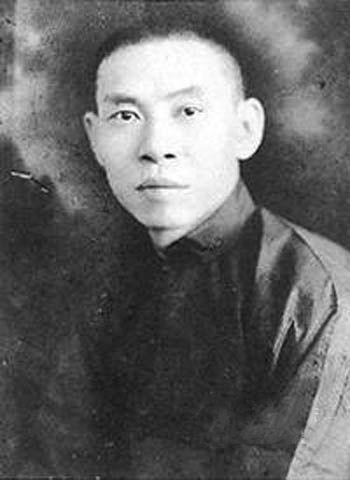
Du Yuesheng (22 August 1888 – 16 August 1951), nicknamed "Big-Eared Du", was a Chinese mob boss who spent much of his life in Shanghai. He made his fortune in the opium trade before transforming into a financial tycoon. He supported Chiang Kai-shek and the Kuomintang in their fight against the Communists and Japanese. In April 1949, on the eve of the fall of Shanghai, Du moved to Hong Kong, where he lived until his death in 1951.
Du's original name was Du Yuesheng (Chinese: 杜月生; pinyin: Dù Yuèshēng; Wade–Giles: Tu4 Yüeh4-sheng1). Later, on the advice of Zhang Binglin, Du changed his name to Du Yong (traditional Chinese: 杜鏞; simplified Chinese: 杜镛; pinyin: Dù Yōng; Wade–Giles: Tu4 Yung1), pseudonym Yuesheng (Chinese: 月笙; pinyin: Yuèshēng; Wade–Giles: Yüeh4-sheng1; same pronunciation as his original name but written differently in Chinese). Other than pinyin, Du Yuesheng is variously transliterated as Dou Yu-Seng, Tu Yueh-sheng or Du Yueh-sheng,
Du was born in Gaoqiao and his family moved to Shanghai in 1889, a year after his birth. By the time he was nine years old, Du had lost his immediate family — his mother died in childbirth, his sister was sold into slavery, his father died, and his stepmother vanished — so he went back to Gaoqiao and lived with his grandmother. He returned to Shanghai in 1902 and worked at a fruit stall in the French Concession but was later fired for theft. He wandered around for some time before becoming a bodyguard in a brothel, where he became acquainted with the Green Gang. He joined the gang at the age of 16.
Du was soon introduced by a friend to Huang Jinrong, the highest-ranked Chinese detective in the French Concession Police (FCP) and one of Shanghai's most notorious gangsters. Huang's wife Lin Guisheng was a notable criminal in her own right, and she favoured the young Du. Even though Huang was not a member of the Green Gang, Du became Huang's gambling and opium enforcer. A stickler for fine clothing and women, Du was now cemented; he wore only Chinese silks, surrounded himself with White Russian bodyguards, and frequented the city's best nightclubs and sing-song houses. Du was also known for having a superstitious streak — he had three small monkey heads, specially imported from Hong Kong, sewn to his clothes at the small of his back.
Du's prestige led him to purchase a four-storey, Western-style mansion in the French Concession and have dozens of concubines, four legal wives and six sons, but his meteoric rise as Shanghai's best known mobster only came after Huang Jinrong's arrest in 1924 by the Shanghai Garrison police for his public beating of Lu Xiaojia, son of the then Shanghai-ruling tuchun Lu Yongxiang. By various accounts, Lu Xiaojia either booed the singer Lu Lanchun off the stage or started pursuing her, who married Huang in 1922. It required Du's diplomacy and finances to save his mentor, after which Du, Huang, and Zhang Xiaolin, another Green Gang member, became sworn brothers, together known as the "Three Tycoons of Shanghai".
By the 1930s, Du controlled much of Shanghai's gambling dens, prostitution, and protection rackets. With the tacit support of the police and colonial government, he also now ran the French Concession's opium trade, and became heavily addicted to his own drug.
Du had close ties with Chiang Kai-shek, who in turn had ties to both the Green Gang and other organised secret societies from his early years in Shanghai. In April 1927, Du, along with his sworn brothers Huang Jinrong and Zhang Xiaolin, conspired with Chiang to form the Chinese Progress Association (中华共进会), a para-militant group masquerading as a left-wing group to prepare for Chiang's coup. On the night of April 11, Du's right-hand man, Wan Molin, killed Wang Shouhua, Shanghai's labor leader, at Du's residence. Du's gang members, wearing armbands marked "Labor" (工), then set upon the city's workers and left-wing activists, leading up to Chiang's Shanghai massacre.
Chiang established the Nanjing Nationalist Government after the coup, rewarding Du with a title of major general and advisory positions to the military headquarters and the Executive Yuan. The French Concession authorities also appointed Du as an advisor to the Chinese director of the Public Council. Du also helped the Kuomintang with the intelligence gathering in Shanghai, forging a brotherhood with Dai Li and Yang Hu.
Du Yuesheng
Du Yuesheng (22 August 1888 – 16 August 1951), nicknamed "Big-Eared Du", was a Chinese mob boss who spent much of his life in Shanghai. He made his fortune in the opium trade before transforming into a financial tycoon. He supported Chiang Kai-shek and the Kuomintang in their fight against the Communists and Japanese. In April 1949, on the eve of the fall of Shanghai, Du moved to Hong Kong, where he lived until his death in 1951.
Du's original name was Du Yuesheng (Chinese: 杜月生; pinyin: Dù Yuèshēng; Wade–Giles: Tu4 Yüeh4-sheng1). Later, on the advice of Zhang Binglin, Du changed his name to Du Yong (traditional Chinese: 杜鏞; simplified Chinese: 杜镛; pinyin: Dù Yōng; Wade–Giles: Tu4 Yung1), pseudonym Yuesheng (Chinese: 月笙; pinyin: Yuèshēng; Wade–Giles: Yüeh4-sheng1; same pronunciation as his original name but written differently in Chinese). Other than pinyin, Du Yuesheng is variously transliterated as Dou Yu-Seng, Tu Yueh-sheng or Du Yueh-sheng,
Du was born in Gaoqiao and his family moved to Shanghai in 1889, a year after his birth. By the time he was nine years old, Du had lost his immediate family — his mother died in childbirth, his sister was sold into slavery, his father died, and his stepmother vanished — so he went back to Gaoqiao and lived with his grandmother. He returned to Shanghai in 1902 and worked at a fruit stall in the French Concession but was later fired for theft. He wandered around for some time before becoming a bodyguard in a brothel, where he became acquainted with the Green Gang. He joined the gang at the age of 16.
Du was soon introduced by a friend to Huang Jinrong, the highest-ranked Chinese detective in the French Concession Police (FCP) and one of Shanghai's most notorious gangsters. Huang's wife Lin Guisheng was a notable criminal in her own right, and she favoured the young Du. Even though Huang was not a member of the Green Gang, Du became Huang's gambling and opium enforcer. A stickler for fine clothing and women, Du was now cemented; he wore only Chinese silks, surrounded himself with White Russian bodyguards, and frequented the city's best nightclubs and sing-song houses. Du was also known for having a superstitious streak — he had three small monkey heads, specially imported from Hong Kong, sewn to his clothes at the small of his back.
Du's prestige led him to purchase a four-storey, Western-style mansion in the French Concession and have dozens of concubines, four legal wives and six sons, but his meteoric rise as Shanghai's best known mobster only came after Huang Jinrong's arrest in 1924 by the Shanghai Garrison police for his public beating of Lu Xiaojia, son of the then Shanghai-ruling tuchun Lu Yongxiang. By various accounts, Lu Xiaojia either booed the singer Lu Lanchun off the stage or started pursuing her, who married Huang in 1922. It required Du's diplomacy and finances to save his mentor, after which Du, Huang, and Zhang Xiaolin, another Green Gang member, became sworn brothers, together known as the "Three Tycoons of Shanghai".
By the 1930s, Du controlled much of Shanghai's gambling dens, prostitution, and protection rackets. With the tacit support of the police and colonial government, he also now ran the French Concession's opium trade, and became heavily addicted to his own drug.
Du had close ties with Chiang Kai-shek, who in turn had ties to both the Green Gang and other organised secret societies from his early years in Shanghai. In April 1927, Du, along with his sworn brothers Huang Jinrong and Zhang Xiaolin, conspired with Chiang to form the Chinese Progress Association (中华共进会), a para-militant group masquerading as a left-wing group to prepare for Chiang's coup. On the night of April 11, Du's right-hand man, Wan Molin, killed Wang Shouhua, Shanghai's labor leader, at Du's residence. Du's gang members, wearing armbands marked "Labor" (工), then set upon the city's workers and left-wing activists, leading up to Chiang's Shanghai massacre.
Chiang established the Nanjing Nationalist Government after the coup, rewarding Du with a title of major general and advisory positions to the military headquarters and the Executive Yuan. The French Concession authorities also appointed Du as an advisor to the Chinese director of the Public Council. Du also helped the Kuomintang with the intelligence gathering in Shanghai, forging a brotherhood with Dai Li and Yang Hu.
Recent media
Recent media