
Recent from talks
Du Yuming
Knowledge base stats:
Talk channels stats:
Members stats:
Du Yuming
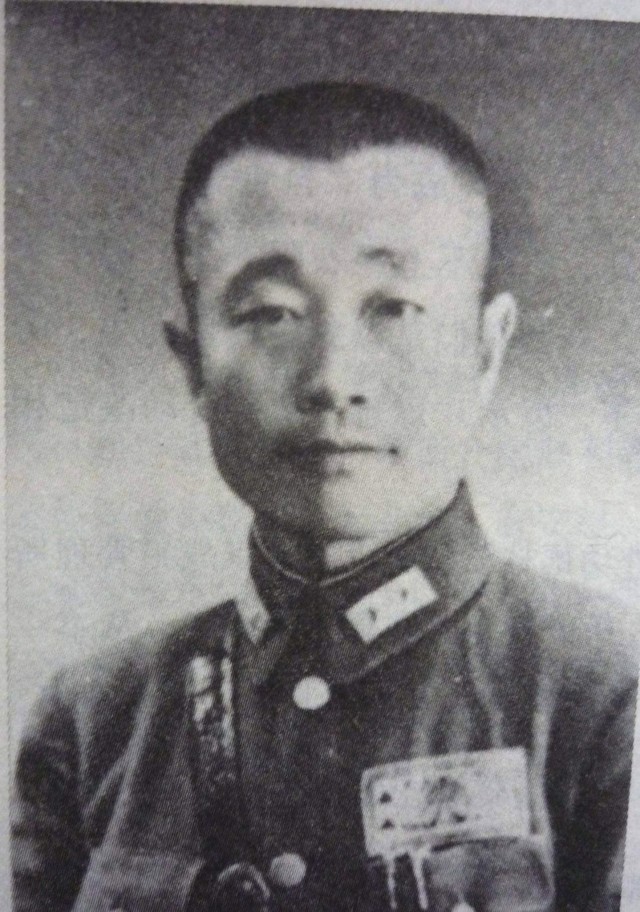
Du Yuming (Chinese: 杜聿明; pinyin: Dù Yùmíng; Wade–Giles: Tu Yü-ming; 28 November 1904 – 7 May 1981) was a Kuomintang field commander. He was a graduate of the first class of Whampoa Academy, took part in Chiang's Northern Expedition, and was active in southern China and in the Burma theatre of the Sino-Japanese War. After the Japanese surrendered in 1945, he was an important commander in the Chinese Civil War.
From 1945 to 1947 Du commanded Nationalist forces in Northeast China and won several important battles against Communist forces there, including defeating the Communist general Lin Biao twice at Siping. Despite his successes, Chiang relieved him from command in 1947, after which Communist forces quickly took control of the region.
Du was captured later in the civil war and spent a decade as a prisoner of war. He was released in 1959, and given a position in the Communist government.
Yang Chen-Ning, who won the Nobel Prize in Physics in 1957, was his son-in-law.
A trusted protégé of Chiang Kai-shek, Du was a graduate of the first cadet class at the Whampoa Military Academy. During the Second Sino-Japanese War, he was the creator and first commander of the 200th Division, China's first mechanized division, and later commanded the KMT 5th Army in the First Changsha Campaign, and Battle of South Guangxi.
During World War II, he commanded the same 5th Army of the Nationalist Central Army of the Chinese Expeditionary Force in Burma in the Battle of Yunnan-Burma Road from mid March to early June 1942, during the Burma Campaign under Lieutenant General Joseph Stilwell. When the British Army collapsed and abandoned Burma under Japanese pressure, Du was forced to order a hastily planned withdrawal that resulted in the loss of 50,000 Chinese soldiers. Du fell back to China despite General Sun Li-Jen's advice that, because the route back to China was hazardous, he should instead retreat with the British to India. Most of the men who followed Du died in the Burmese jungle of tropical disease and starvation or were killed by Axis forces, while Sun's army retreated in an orderly fashion into India. Because he was acting on the orders of Chiang Kai-shek when he withdrew to China, he was not punished for the outcome of the campaign.
After the war, Du helped strengthen the Nationalist position in the Southwest by removing Long Yun, the local warlord of Yunnan, in October 1945. Du was then transferred to the Northeast Theatre to consolidate Kuomintang control. After the civil war resumed in 1945, Du was able to win a number of victories.
In November 1945 he retook strategic positions around Shanhaiguan from Communist forces. Later, on November 22, he retook the strategic city of Jinzhou, which forced Communist forces to temporarily abandon any attempts to take major cities in the region and to agree to a temporary ceasefire. Fighting resumed in April 1946, and in May Du defeated Lin Biao in the Battle of Siping. Following the Communist withdrawal he pursued them, capturing Gongzhuling on May 21 and Changchun on May 23. His advance was eventually halted at the south bank of the Songhua River due to concerns about overextending his forces. Du's victory in Siping led to a general ceasefire across China brokered by George Marshall, during which Du consolidated his communication and supply lines.
Hub AI
Du Yuming AI simulator
(@Du Yuming_simulator)
Du Yuming
Du Yuming (Chinese: 杜聿明; pinyin: Dù Yùmíng; Wade–Giles: Tu Yü-ming; 28 November 1904 – 7 May 1981) was a Kuomintang field commander. He was a graduate of the first class of Whampoa Academy, took part in Chiang's Northern Expedition, and was active in southern China and in the Burma theatre of the Sino-Japanese War. After the Japanese surrendered in 1945, he was an important commander in the Chinese Civil War.
From 1945 to 1947 Du commanded Nationalist forces in Northeast China and won several important battles against Communist forces there, including defeating the Communist general Lin Biao twice at Siping. Despite his successes, Chiang relieved him from command in 1947, after which Communist forces quickly took control of the region.
Du was captured later in the civil war and spent a decade as a prisoner of war. He was released in 1959, and given a position in the Communist government.
Yang Chen-Ning, who won the Nobel Prize in Physics in 1957, was his son-in-law.
A trusted protégé of Chiang Kai-shek, Du was a graduate of the first cadet class at the Whampoa Military Academy. During the Second Sino-Japanese War, he was the creator and first commander of the 200th Division, China's first mechanized division, and later commanded the KMT 5th Army in the First Changsha Campaign, and Battle of South Guangxi.
During World War II, he commanded the same 5th Army of the Nationalist Central Army of the Chinese Expeditionary Force in Burma in the Battle of Yunnan-Burma Road from mid March to early June 1942, during the Burma Campaign under Lieutenant General Joseph Stilwell. When the British Army collapsed and abandoned Burma under Japanese pressure, Du was forced to order a hastily planned withdrawal that resulted in the loss of 50,000 Chinese soldiers. Du fell back to China despite General Sun Li-Jen's advice that, because the route back to China was hazardous, he should instead retreat with the British to India. Most of the men who followed Du died in the Burmese jungle of tropical disease and starvation or were killed by Axis forces, while Sun's army retreated in an orderly fashion into India. Because he was acting on the orders of Chiang Kai-shek when he withdrew to China, he was not punished for the outcome of the campaign.
After the war, Du helped strengthen the Nationalist position in the Southwest by removing Long Yun, the local warlord of Yunnan, in October 1945. Du was then transferred to the Northeast Theatre to consolidate Kuomintang control. After the civil war resumed in 1945, Du was able to win a number of victories.
In November 1945 he retook strategic positions around Shanhaiguan from Communist forces. Later, on November 22, he retook the strategic city of Jinzhou, which forced Communist forces to temporarily abandon any attempts to take major cities in the region and to agree to a temporary ceasefire. Fighting resumed in April 1946, and in May Du defeated Lin Biao in the Battle of Siping. Following the Communist withdrawal he pursued them, capturing Gongzhuling on May 21 and Changchun on May 23. His advance was eventually halted at the south bank of the Songhua River due to concerns about overextending his forces. Du's victory in Siping led to a general ceasefire across China brokered by George Marshall, during which Du consolidated his communication and supply lines.
Recent media