



Community hub
Recent from talks
Knowledge base stats:
Talk channels stats:
Members stats:
Flexible-fuel vehicle
A flexible-fuel vehicle (FFV) or dual-fuel vehicle (colloquially called a flex-fuel vehicle) is an alternative fuel vehicle with an internal combustion engine designed to run on more than one fuel, usually gasoline blended with either ethanol or methanol fuel, and both fuels are stored in the same common tank. Modern flex-fuel engines are capable of burning any proportion of the resulting blend in the combustion chamber as fuel injection and spark timing are adjusted automatically according to the actual blend detected by a fuel composition sensor. Flex-fuel vehicles are distinguished from bi-fuel vehicles, where two fuels are stored in separate tanks and the engine runs on one fuel at a time, for example, compressed natural gas (CNG), liquefied petroleum gas (LPG), or hydrogen.
The most common commercially available FFV in the world market is the ethanol flexible-fuel vehicle, with about 60 million automobiles, motorcycles and light duty trucks manufactured and sold worldwide by March 2018, and concentrated in four markets, Brazil (30.5 million light-duty vehicles and over 6 million motorcycles), the United States (27 million by the end of 2021), Canada (1.6 million by 2014), and Europe, led by Sweden (243,100). In addition to flex-fuel vehicles running with ethanol, in Europe and the US, mainly in California, there have been successful test programs with methanol flex-fuel vehicles, known as M85 flex-fuel vehicles. There have been also successful tests using P-series fuels with E85 flex fuel vehicles, but as of September 2025, this fuel is not yet available to the general public. These successful tests with P-series fuels were conducted on Ford Taurus and Dodge Caravan flexible-fuel vehicles.
Though technology exists to allow ethanol FFVs to run on any mixture of gasoline and ethanol, from pure gasoline up to 100% ethanol (E100), North American and European flex-fuel vehicles are optimized to run on E85, a blend of 85% anhydrous ethanol fuel with 15% gasoline. This upper limit in the ethanol content is set to reduce ethanol emissions at low temperatures and to avoid cold starting problems during cold weather, at temperatures lower than 11 °C (52 °F). The alcohol content is reduced during the winter in regions where temperatures fall below 0 °C (32 °F) to a winter blend of E70 in the U.S. or to E75 in Sweden from November until March. Brazilian flex fuel vehicles are optimized to run on any mix of E20-E25 gasoline and up to 100% hydrous ethanol fuel (E100). The Brazilian flex vehicles were built-in with a small gasoline reservoir for cold starting the engine when temperatures drop below 15 °C (59 °F). An improved flex motor generation was launched in 2009 which eliminated the need for the secondary gas tank.
As ethanol FFVs became commercially available during the late 1990s, the common use of the term "flexible-fuel vehicle" became synonymous with ethanol FFVs. In the United States flex-fuel vehicles are also known as "E85 vehicles". In Brazil, the FFVs are popularly known as "total flex" or simply "flex" cars. In Europe, FFVs are also known as "flexifuel" vehicles. Automakers, particularly in Brazil and the European market, use badging in their FFV models with the some variant of the word "flex", such as Volvo Flexifuel, or Volkswagen Total Flex, or Chevrolet FlexPower or Renault Hi-Flex, and Ford sells its Focus model in Europe as Flexifuel and as Flex in Brazil. In the US, only since 2008 FFV models feature a yellow gas cap with the label "E85/Gasoline" written on the top of the cap to differentiate E85s from gasoline only models.
Flexible-fuel vehicles (FFVs) are based on dual-fuel systems that supply both fuels into the combustion chamber at the same time in various calibrated proportions. The most common fuels used by FFVs today are unleaded gasoline and ethanol fuel. Ethanol FFVs can run on pure gasoline, pure ethanol (E100) or any combination of both. Methanol has also been blended with gasoline in flex-fuel vehicles known as M85 FFVs, but their use has been limited mainly to demonstration projects and small government fleets, particularly in California.
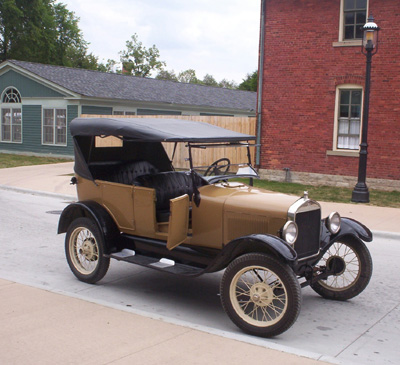
The Ford Model T, produced from 1908 through 1927, was fitted with a carburetor with adjustable jetting, allowing use of ethanol, gasoline or kerosene (each by itself), or a combination of the first two mentioned fuels. Other car manufactures also provided engines for ethanol fuel use. Henry Ford continued to advocate for ethanol as fuel even during Prohibition. However, cheaper oil caused gasoline to prevail, until the 1973 oil crisis resulted in gasoline shortages and awareness on the dangers of oil dependence. This crisis opened a new opportunity for ethanol and other alternative fuels, such as methanol, gaseous fuels such as CNG and LPG, and also hydrogen. Ethanol, methanol and natural gas were the three alternative fuels that received more attention for research and development, and government support.
Since 1975, and as a response to the shock caused by the first oil crisis, the Brazilian government implemented the National Alcohol Program -Pró-Álcool- (Portuguese: Programa Nacional do Álcool), a nationwide program financed by the government to phase out automotive fuels derived from fossil fuels in favor of ethanol made from sugar cane. It began with a low blend of anhydrous alcohol with regular gasoline in 1976, and since July 2007 the mandatory blend is 25% of alcohol or gasohol E25. In 1979, and as a response to the second oil crisis, the first vehicle capable of running with pure hydrous ethanol (E100) was launched to the market, the Fiat 147, after testing with several prototypes developed by Fiat, Volkswagen, GM and Ford. The Brazilian government provided three important initial drivers for the ethanol industry: guaranteed purchases by the state-owned oil company Petrobras, low-interest loans for agro-industrial ethanol firms, and fixed gasoline and ethanol prices. After reaching more than 4 million cars and light trucks running on pure ethanol by the late 1980s, the use of E100-only vehicles sharply declined after increases in sugar prices produced shortages of ethanol fuel.
After extensive research that began in the 90s, a second push took place in March 2003, when the Brazilian subsidiary of Volkswagen launched to the market the first full flexible-fuel car, the Gol 1.6 Total Flex. Several months later was followed by other Brazilian automakers, and by 2010 General Motors, Fiat, Ford, Peugeot, Renault, Volkswagen, Honda, Mitsubishi, Toyota, Citroën, Nissan and Kia Motors were producing popular models of flex cars and light trucks. The adoption of ethanol flex fuel vehicles was so successful, that production of flex cars went from almost 40 thousand in 2003 to 1.7 million in 2007. This rapid adoption of the flex technology was facilitated by the fuel distribution infrastructure already in place, as around 27,000 filling stations countrywide were available by 1997 with at least one ethanol pump, a heritage of the Pró-Álcool program.
Hub AI
Flexible-fuel vehicle AI simulator
(@Flexible-fuel vehicle_simulator)
Flexible-fuel vehicle
A flexible-fuel vehicle (FFV) or dual-fuel vehicle (colloquially called a flex-fuel vehicle) is an alternative fuel vehicle with an internal combustion engine designed to run on more than one fuel, usually gasoline blended with either ethanol or methanol fuel, and both fuels are stored in the same common tank. Modern flex-fuel engines are capable of burning any proportion of the resulting blend in the combustion chamber as fuel injection and spark timing are adjusted automatically according to the actual blend detected by a fuel composition sensor. Flex-fuel vehicles are distinguished from bi-fuel vehicles, where two fuels are stored in separate tanks and the engine runs on one fuel at a time, for example, compressed natural gas (CNG), liquefied petroleum gas (LPG), or hydrogen.
The most common commercially available FFV in the world market is the ethanol flexible-fuel vehicle, with about 60 million automobiles, motorcycles and light duty trucks manufactured and sold worldwide by March 2018, and concentrated in four markets, Brazil (30.5 million light-duty vehicles and over 6 million motorcycles), the United States (27 million by the end of 2021), Canada (1.6 million by 2014), and Europe, led by Sweden (243,100). In addition to flex-fuel vehicles running with ethanol, in Europe and the US, mainly in California, there have been successful test programs with methanol flex-fuel vehicles, known as M85 flex-fuel vehicles. There have been also successful tests using P-series fuels with E85 flex fuel vehicles, but as of September 2025, this fuel is not yet available to the general public. These successful tests with P-series fuels were conducted on Ford Taurus and Dodge Caravan flexible-fuel vehicles.
Though technology exists to allow ethanol FFVs to run on any mixture of gasoline and ethanol, from pure gasoline up to 100% ethanol (E100), North American and European flex-fuel vehicles are optimized to run on E85, a blend of 85% anhydrous ethanol fuel with 15% gasoline. This upper limit in the ethanol content is set to reduce ethanol emissions at low temperatures and to avoid cold starting problems during cold weather, at temperatures lower than 11 °C (52 °F). The alcohol content is reduced during the winter in regions where temperatures fall below 0 °C (32 °F) to a winter blend of E70 in the U.S. or to E75 in Sweden from November until March. Brazilian flex fuel vehicles are optimized to run on any mix of E20-E25 gasoline and up to 100% hydrous ethanol fuel (E100). The Brazilian flex vehicles were built-in with a small gasoline reservoir for cold starting the engine when temperatures drop below 15 °C (59 °F). An improved flex motor generation was launched in 2009 which eliminated the need for the secondary gas tank.
As ethanol FFVs became commercially available during the late 1990s, the common use of the term "flexible-fuel vehicle" became synonymous with ethanol FFVs. In the United States flex-fuel vehicles are also known as "E85 vehicles". In Brazil, the FFVs are popularly known as "total flex" or simply "flex" cars. In Europe, FFVs are also known as "flexifuel" vehicles. Automakers, particularly in Brazil and the European market, use badging in their FFV models with the some variant of the word "flex", such as Volvo Flexifuel, or Volkswagen Total Flex, or Chevrolet FlexPower or Renault Hi-Flex, and Ford sells its Focus model in Europe as Flexifuel and as Flex in Brazil. In the US, only since 2008 FFV models feature a yellow gas cap with the label "E85/Gasoline" written on the top of the cap to differentiate E85s from gasoline only models.
Flexible-fuel vehicles (FFVs) are based on dual-fuel systems that supply both fuels into the combustion chamber at the same time in various calibrated proportions. The most common fuels used by FFVs today are unleaded gasoline and ethanol fuel. Ethanol FFVs can run on pure gasoline, pure ethanol (E100) or any combination of both. Methanol has also been blended with gasoline in flex-fuel vehicles known as M85 FFVs, but their use has been limited mainly to demonstration projects and small government fleets, particularly in California.
The Ford Model T, produced from 1908 through 1927, was fitted with a carburetor with adjustable jetting, allowing use of ethanol, gasoline or kerosene (each by itself), or a combination of the first two mentioned fuels. Other car manufactures also provided engines for ethanol fuel use. Henry Ford continued to advocate for ethanol as fuel even during Prohibition. However, cheaper oil caused gasoline to prevail, until the 1973 oil crisis resulted in gasoline shortages and awareness on the dangers of oil dependence. This crisis opened a new opportunity for ethanol and other alternative fuels, such as methanol, gaseous fuels such as CNG and LPG, and also hydrogen. Ethanol, methanol and natural gas were the three alternative fuels that received more attention for research and development, and government support.
Since 1975, and as a response to the shock caused by the first oil crisis, the Brazilian government implemented the National Alcohol Program -Pró-Álcool- (Portuguese: Programa Nacional do Álcool), a nationwide program financed by the government to phase out automotive fuels derived from fossil fuels in favor of ethanol made from sugar cane. It began with a low blend of anhydrous alcohol with regular gasoline in 1976, and since July 2007 the mandatory blend is 25% of alcohol or gasohol E25. In 1979, and as a response to the second oil crisis, the first vehicle capable of running with pure hydrous ethanol (E100) was launched to the market, the Fiat 147, after testing with several prototypes developed by Fiat, Volkswagen, GM and Ford. The Brazilian government provided three important initial drivers for the ethanol industry: guaranteed purchases by the state-owned oil company Petrobras, low-interest loans for agro-industrial ethanol firms, and fixed gasoline and ethanol prices. After reaching more than 4 million cars and light trucks running on pure ethanol by the late 1980s, the use of E100-only vehicles sharply declined after increases in sugar prices produced shortages of ethanol fuel.
After extensive research that began in the 90s, a second push took place in March 2003, when the Brazilian subsidiary of Volkswagen launched to the market the first full flexible-fuel car, the Gol 1.6 Total Flex. Several months later was followed by other Brazilian automakers, and by 2010 General Motors, Fiat, Ford, Peugeot, Renault, Volkswagen, Honda, Mitsubishi, Toyota, Citroën, Nissan and Kia Motors were producing popular models of flex cars and light trucks. The adoption of ethanol flex fuel vehicles was so successful, that production of flex cars went from almost 40 thousand in 2003 to 1.7 million in 2007. This rapid adoption of the flex technology was facilitated by the fuel distribution infrastructure already in place, as around 27,000 filling stations countrywide were available by 1997 with at least one ethanol pump, a heritage of the Pró-Álcool program.