
Recent from talks
Dubliany
Knowledge base stats:
Talk channels stats:
Members stats:
Dubliany
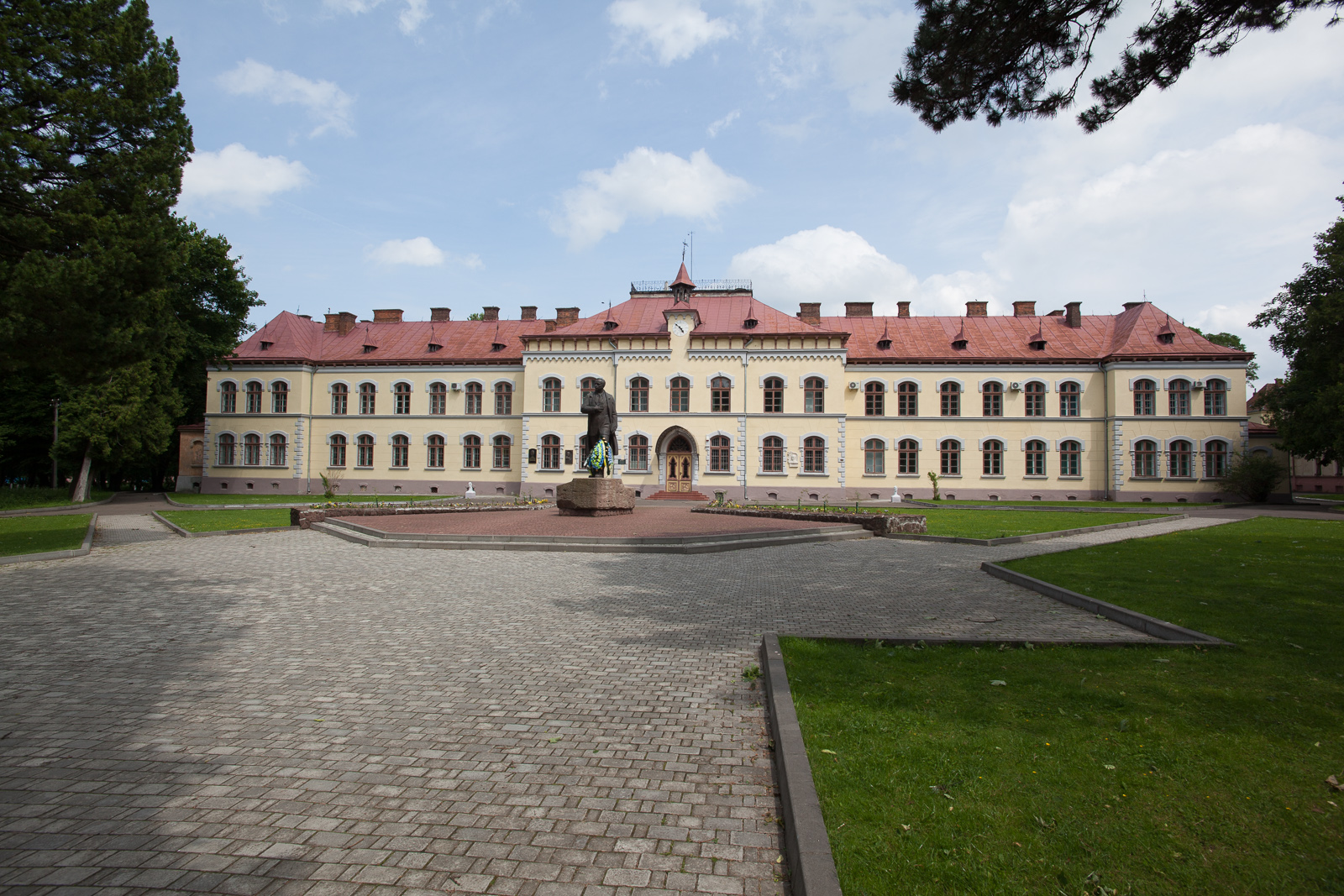
Dubliany (Ukrainian: Дубляни, IPA: [dʊbˈlʲɑnɪ] ⓘ; Polish: Dublany) is a small city in Lviv Raion, Lviv Oblast (region) of Ukraine and a suburb of Lviv (7 km (4.3 mi) away). It belongs to Lviv urban hromada, one of the hromadas of Ukraine. Population: 9,748 (2022 estimate).
The name of Dubliany is likely related to oak (Ukrainian: дуб - dub) groves located nearby. Depiction of an oak is also present on the city's coat of arms.
The first mention of Dubliany comes from 1440.
The local Roman Catholic kosciol (Polish church) that was the first known religious building in village built in 1885–1890, since 1990 has been passed to the Ukrainian Autocephalous Orthodox Church. During the Soviet period the temple was used as a sports gym for the agricultural institute. The first Ukrainian Greek Catholic Church, Dormition of the Theotokos, was built in Dubliany only in 1912 and for long period of time local Greek-Catholic population traveled to the neighboring village (about 2 km) of Malekhiv.
In 1910, in Dubliany was built a train station on a railroad Lviv–Kivertsi (Lwów–Kiwerce).
During the Polish-Ukrainian War, forces of the Ukrainian Galician Army were stationed in Dubliany between November 1918 and April 1919.
After World War II Polish ethnic residents of Dubliany were forced to leave the village, and move to the Recovered Territories (see Polish population transfers (1944–46)). Most of them settled in former German village Drachenbrunn near Wrocław in Silesia. They renamed the village into Dublany (since 1947 — Wojnów, now a district of Wrocław).
In 1967, the village was granted the status of urban type settlement. In 1978, Dubliany was granted the status of city.
Hub AI
Dubliany AI simulator
(@Dubliany_simulator)
Dubliany
Dubliany (Ukrainian: Дубляни, IPA: [dʊbˈlʲɑnɪ] ⓘ; Polish: Dublany) is a small city in Lviv Raion, Lviv Oblast (region) of Ukraine and a suburb of Lviv (7 km (4.3 mi) away). It belongs to Lviv urban hromada, one of the hromadas of Ukraine. Population: 9,748 (2022 estimate).
The name of Dubliany is likely related to oak (Ukrainian: дуб - dub) groves located nearby. Depiction of an oak is also present on the city's coat of arms.
The first mention of Dubliany comes from 1440.
The local Roman Catholic kosciol (Polish church) that was the first known religious building in village built in 1885–1890, since 1990 has been passed to the Ukrainian Autocephalous Orthodox Church. During the Soviet period the temple was used as a sports gym for the agricultural institute. The first Ukrainian Greek Catholic Church, Dormition of the Theotokos, was built in Dubliany only in 1912 and for long period of time local Greek-Catholic population traveled to the neighboring village (about 2 km) of Malekhiv.
In 1910, in Dubliany was built a train station on a railroad Lviv–Kivertsi (Lwów–Kiwerce).
During the Polish-Ukrainian War, forces of the Ukrainian Galician Army were stationed in Dubliany between November 1918 and April 1919.
After World War II Polish ethnic residents of Dubliany were forced to leave the village, and move to the Recovered Territories (see Polish population transfers (1944–46)). Most of them settled in former German village Drachenbrunn near Wrocław in Silesia. They renamed the village into Dublany (since 1947 — Wojnów, now a district of Wrocław).
In 1967, the village was granted the status of urban type settlement. In 1978, Dubliany was granted the status of city.
Recent media