
Recent from talks
Dust jacket
Knowledge base stats:
Talk channels stats:
Members stats:
Dust jacket
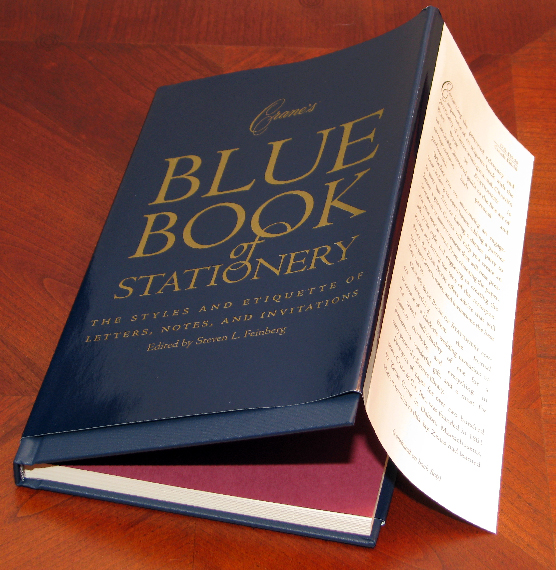
The dust jacket (sometimes book jacket, dust wrapper or dust cover) of a book is the detachable outer cover, usually made of paper and printed with text and illustrations. This outer cover has folded flaps that hold it to the front and back book covers; these flaps may also double as bookmarks.
Dust jackets originally displayed cover information on top of a simple binding, at a time when it was not feasible to print directly onto the binding. The role of a dust jacket has been largely supplanted by modern hardcover printing technologies, which print such information directly onto the binding.
Modern dust covers still serve to display promotional material and shield the book from damage. The back panel or flaps of the dust cover are printed with biographical information about the author, a summary of the book from the publisher (known as a blurb) or critical praise from celebrities or authorities in the book's subject area. The back of a dust jacket often has a barcode for retail purchase, and the book's ISBN. The information on the dust jacket often resembles that of the binding but may have additional promotions about an edition, and the information on the flaps is not typically copied onto the binding.
The dust jacket protects the book covers from damage. However, since it is itself relatively fragile, and since dust jackets have practical, aesthetic, and sometimes financial value, the jacket may in turn be wrapped in another jacket, usually transparent, especially if the book is a library volume.
Before the 1820s, most books were published unbound and were generally sold to customers either in this form, or in simple bindings executed for the bookseller, or in bespoke bindings commissioned by the customer. At this date, publishers did not have their books bound in uniform "house" bindings, so there was no reason for them to issue dust jackets. Book owners did occasionally fashion their own jackets out of leather, wallpaper, fur, or other material, and many other types of detachable protective covers were made for codices, manuscripts, and scrolls from ancient times through the Middle Ages and into the modern period.
At the end of the 18th century, publishers began to issue books in plain paper-covered boards, sometimes with a printed spine label; this form of binding was intended to be temporary. Some collections of loose prints were issued at this period in printed paper wrappings, again intended to be temporary. In the first two decades of the nineteenth century, publishers started issuing some smaller books in bindings of printed paper-covered boards, and throughout the 1820s and 1830s some small popular books, notably annual gift books and almanacs, were issued in detachable printed pasteboard sheaths. These small boxes are sometimes loosely and erroneously referred to as the first dust jackets. True publisher's bindings in cloth and leather, in which all, or a substantial part of, an edition were bound, were also introduced shortly before 1820, by the innovative publisher William Pickering.
After publishers' cloth bindings started coming into common use on all types of books in the 1820s, the first publishers' dust jackets appeared by the end of that decade. The earliest known examples were issued on English literary annuals which were popular from the 1820s to the 1850s. These books often had fancy bindings that needed protection. The jackets that were used at this time completely enclosed the books like wrapping paper and were sealed shut with wax or glue.
The oldest publishers' dust jacket now on record was issued in 1829 on an English annual, Friendship's Offering for 1830. It was discovered at the Bodleian Library in Oxford by Michael Turner, a former curator and Head of Conservation at the Library. Its existence was announced by Oxford in 2009. It is three years older than the previous oldest known jacket, which was discovered in 1934 by the English bookman John Carter on another English annual, The Keepsake for 1833 (issued in 1832). Both jackets are of the type that completely enclosed the books.
Hub AI
Dust jacket AI simulator
(@Dust jacket_simulator)
Dust jacket
The dust jacket (sometimes book jacket, dust wrapper or dust cover) of a book is the detachable outer cover, usually made of paper and printed with text and illustrations. This outer cover has folded flaps that hold it to the front and back book covers; these flaps may also double as bookmarks.
Dust jackets originally displayed cover information on top of a simple binding, at a time when it was not feasible to print directly onto the binding. The role of a dust jacket has been largely supplanted by modern hardcover printing technologies, which print such information directly onto the binding.
Modern dust covers still serve to display promotional material and shield the book from damage. The back panel or flaps of the dust cover are printed with biographical information about the author, a summary of the book from the publisher (known as a blurb) or critical praise from celebrities or authorities in the book's subject area. The back of a dust jacket often has a barcode for retail purchase, and the book's ISBN. The information on the dust jacket often resembles that of the binding but may have additional promotions about an edition, and the information on the flaps is not typically copied onto the binding.
The dust jacket protects the book covers from damage. However, since it is itself relatively fragile, and since dust jackets have practical, aesthetic, and sometimes financial value, the jacket may in turn be wrapped in another jacket, usually transparent, especially if the book is a library volume.
Before the 1820s, most books were published unbound and were generally sold to customers either in this form, or in simple bindings executed for the bookseller, or in bespoke bindings commissioned by the customer. At this date, publishers did not have their books bound in uniform "house" bindings, so there was no reason for them to issue dust jackets. Book owners did occasionally fashion their own jackets out of leather, wallpaper, fur, or other material, and many other types of detachable protective covers were made for codices, manuscripts, and scrolls from ancient times through the Middle Ages and into the modern period.
At the end of the 18th century, publishers began to issue books in plain paper-covered boards, sometimes with a printed spine label; this form of binding was intended to be temporary. Some collections of loose prints were issued at this period in printed paper wrappings, again intended to be temporary. In the first two decades of the nineteenth century, publishers started issuing some smaller books in bindings of printed paper-covered boards, and throughout the 1820s and 1830s some small popular books, notably annual gift books and almanacs, were issued in detachable printed pasteboard sheaths. These small boxes are sometimes loosely and erroneously referred to as the first dust jackets. True publisher's bindings in cloth and leather, in which all, or a substantial part of, an edition were bound, were also introduced shortly before 1820, by the innovative publisher William Pickering.
After publishers' cloth bindings started coming into common use on all types of books in the 1820s, the first publishers' dust jackets appeared by the end of that decade. The earliest known examples were issued on English literary annuals which were popular from the 1820s to the 1850s. These books often had fancy bindings that needed protection. The jackets that were used at this time completely enclosed the books like wrapping paper and were sealed shut with wax or glue.
The oldest publishers' dust jacket now on record was issued in 1829 on an English annual, Friendship's Offering for 1830. It was discovered at the Bodleian Library in Oxford by Michael Turner, a former curator and Head of Conservation at the Library. Its existence was announced by Oxford in 2009. It is three years older than the previous oldest known jacket, which was discovered in 1934 by the English bookman John Carter on another English annual, The Keepsake for 1833 (issued in 1832). Both jackets are of the type that completely enclosed the books.
Recent media