
Recent from talks
Ecosystem
Knowledge base stats:
Talk channels stats:
Members stats:
Ecosystem
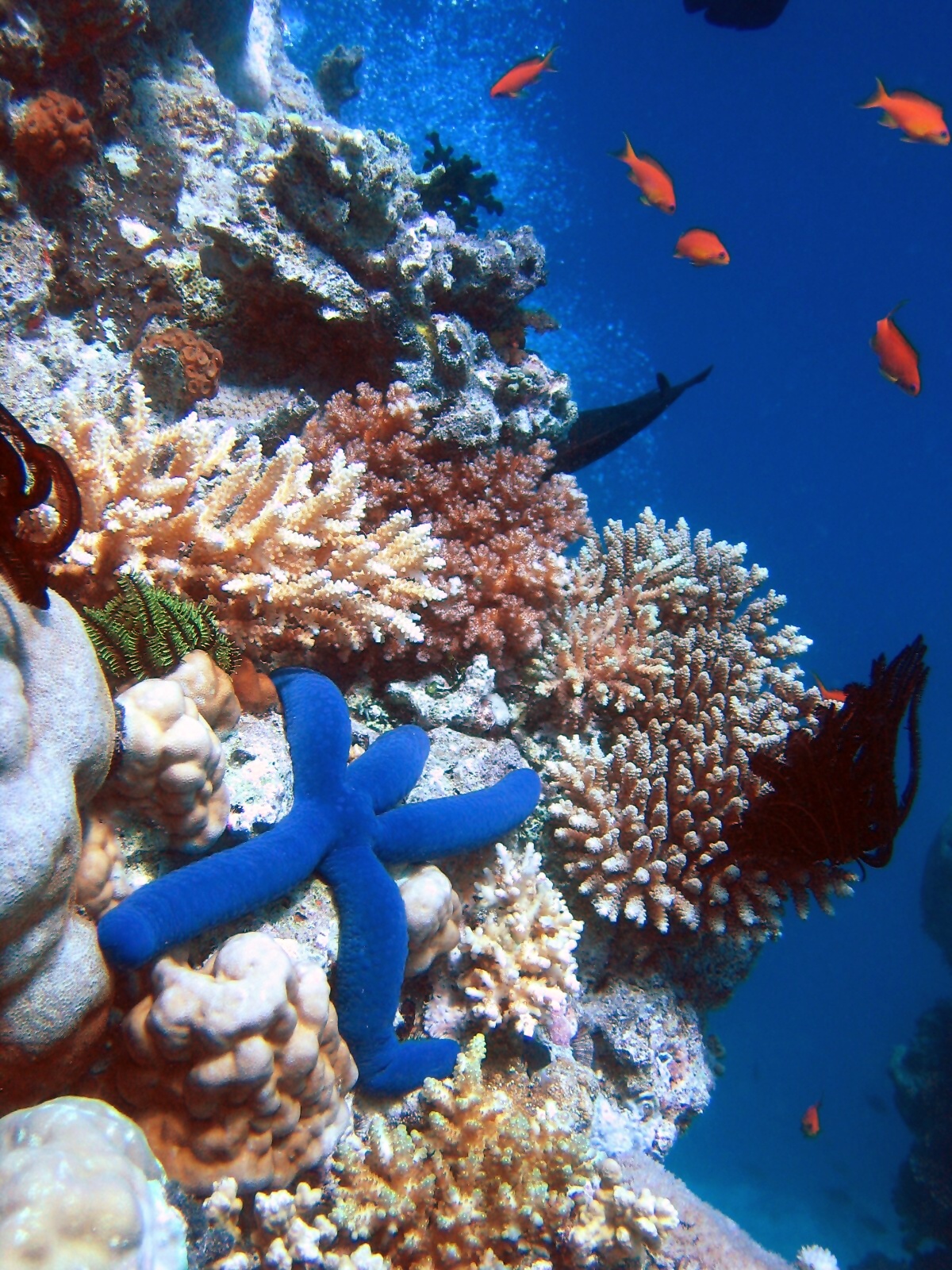
An ecosystem (or ecological system) is a system formed by organisms in interaction with their environment. The biotic and abiotic components are linked together through nutrient cycles and energy flows.
Ecosystems are controlled by external and internal factors. External factors—including climate—control the ecosystem's structure, but are not influenced by it. By contrast, internal factors control and are controlled by ecosystem processes; these include decomposition, the types of species present, root competition, shading, disturbance, and succession. While external factors generally determine which resource inputs an ecosystem has, their availability within the ecosystem is controlled by internal factors. Ecosystems are dynamic, subject to periodic disturbances and always in the process of recovering from past disturbances. The tendency of an ecosystem to remain close to its equilibrium state, is termed its resistance. Its capacity to absorb disturbance and reorganize, while undergoing change so as to retain essentially the same function, structure, identity, is termed its ecological resilience.
Ecosystems can be studied through a variety of approaches—theoretical studies, studies monitoring specific ecosystems over long periods of time, those that look at differences between ecosystems to elucidate how they work and direct manipulative experimentation. Biomes are general classes or categories of ecosystems. However, there is no clear distinction between biomes and ecosystems. Ecosystem classifications are specific kinds of ecological classifications that consider all four elements of the definition of ecosystems: a biotic component, an abiotic complex, the interactions between and within them, and the physical space they occupy. Biotic factors are living things; such as plants, while abiotic are non-living components; such as soil. Plants allow energy to enter the system through photosynthesis, building up plant tissue. Animals play an important role in the movement of matter and energy through the system, by feeding on plants and one another. They also influence the quantity of plant and microbial biomass present. By breaking down dead organic matter, decomposers release carbon back to the atmosphere and facilitate nutrient cycling by converting nutrients stored in dead biomass back to a form that can be readily used by plants and microbes.
Ecosystems provide a variety of goods and services upon which people depend, and may be part of. Ecosystem goods include the "tangible, material products" of ecosystem processes such as water, food, fuel, construction material, and medicinal plants. Ecosystem services, on the other hand, are generally "improvements in the condition or location of things of value". These include things like the maintenance of hydrological cycles, cleaning air and water, the maintenance of oxygen in the atmosphere, crop pollination and even things like beauty, inspiration and opportunities for research. Many ecosystems become degraded through human impacts, such as soil loss, air and water pollution, habitat fragmentation, water diversion, fire suppression, and introduced species and invasive species. These threats can lead to abrupt transformation of the ecosystem or to gradual disruption of biotic processes and degradation of abiotic conditions of the ecosystem. Once the original ecosystem has lost its defining features, it is considered "collapsed". Ecosystem restoration can contribute to achieving the Sustainable Development Goals.
An ecosystem (or ecological system) consists of all the organisms and the abiotic pools (or physical environment) with which they interact. The biotic and abiotic components are linked together through nutrient cycles and energy flows.
"Ecosystem processes" are the transfers of energy and materials from one pool to another. Ecosystem processes are known to "take place at a wide range of scales". Therefore, the correct scale of study depends on the question asked.
The term "ecosystem" was first used in 1935 in a publication by British ecologist Arthur Tansley. The term was coined by Arthur Roy Clapham, who came up with the word at Tansley's request. Tansley devised the concept to draw attention to the importance of transfers of materials between organisms and their environment. He later refined the term, describing it as "The whole system, ... including not only the organism-complex, but also the whole complex of physical factors forming what we call the environment". Tansley regarded ecosystems not simply as natural units, but as "mental isolates". Tansley later defined the spatial extent of ecosystems using the term "ecotope".
G. Evelyn Hutchinson, a limnologist who was a contemporary of Tansley's, combined Charles Elton's ideas about trophic ecology with those of Russian geochemist Vladimir Vernadsky. As a result, he suggested that mineral nutrient availability in a lake limited algal production. This would, in turn, limit the abundance of animals that feed on algae. Raymond Lindeman took these ideas further to suggest that the flow of energy through a lake was the primary driver of the ecosystem. Hutchinson's students, brothers Howard T. Odum and Eugene P. Odum, further developed a "systems approach" to the study of ecosystems. This allowed them to study the flow of energy and material through ecological systems.
Hub AI
Ecosystem AI simulator
(@Ecosystem_simulator)
Ecosystem
An ecosystem (or ecological system) is a system formed by organisms in interaction with their environment. The biotic and abiotic components are linked together through nutrient cycles and energy flows.
Ecosystems are controlled by external and internal factors. External factors—including climate—control the ecosystem's structure, but are not influenced by it. By contrast, internal factors control and are controlled by ecosystem processes; these include decomposition, the types of species present, root competition, shading, disturbance, and succession. While external factors generally determine which resource inputs an ecosystem has, their availability within the ecosystem is controlled by internal factors. Ecosystems are dynamic, subject to periodic disturbances and always in the process of recovering from past disturbances. The tendency of an ecosystem to remain close to its equilibrium state, is termed its resistance. Its capacity to absorb disturbance and reorganize, while undergoing change so as to retain essentially the same function, structure, identity, is termed its ecological resilience.
Ecosystems can be studied through a variety of approaches—theoretical studies, studies monitoring specific ecosystems over long periods of time, those that look at differences between ecosystems to elucidate how they work and direct manipulative experimentation. Biomes are general classes or categories of ecosystems. However, there is no clear distinction between biomes and ecosystems. Ecosystem classifications are specific kinds of ecological classifications that consider all four elements of the definition of ecosystems: a biotic component, an abiotic complex, the interactions between and within them, and the physical space they occupy. Biotic factors are living things; such as plants, while abiotic are non-living components; such as soil. Plants allow energy to enter the system through photosynthesis, building up plant tissue. Animals play an important role in the movement of matter and energy through the system, by feeding on plants and one another. They also influence the quantity of plant and microbial biomass present. By breaking down dead organic matter, decomposers release carbon back to the atmosphere and facilitate nutrient cycling by converting nutrients stored in dead biomass back to a form that can be readily used by plants and microbes.
Ecosystems provide a variety of goods and services upon which people depend, and may be part of. Ecosystem goods include the "tangible, material products" of ecosystem processes such as water, food, fuel, construction material, and medicinal plants. Ecosystem services, on the other hand, are generally "improvements in the condition or location of things of value". These include things like the maintenance of hydrological cycles, cleaning air and water, the maintenance of oxygen in the atmosphere, crop pollination and even things like beauty, inspiration and opportunities for research. Many ecosystems become degraded through human impacts, such as soil loss, air and water pollution, habitat fragmentation, water diversion, fire suppression, and introduced species and invasive species. These threats can lead to abrupt transformation of the ecosystem or to gradual disruption of biotic processes and degradation of abiotic conditions of the ecosystem. Once the original ecosystem has lost its defining features, it is considered "collapsed". Ecosystem restoration can contribute to achieving the Sustainable Development Goals.
An ecosystem (or ecological system) consists of all the organisms and the abiotic pools (or physical environment) with which they interact. The biotic and abiotic components are linked together through nutrient cycles and energy flows.
"Ecosystem processes" are the transfers of energy and materials from one pool to another. Ecosystem processes are known to "take place at a wide range of scales". Therefore, the correct scale of study depends on the question asked.
The term "ecosystem" was first used in 1935 in a publication by British ecologist Arthur Tansley. The term was coined by Arthur Roy Clapham, who came up with the word at Tansley's request. Tansley devised the concept to draw attention to the importance of transfers of materials between organisms and their environment. He later refined the term, describing it as "The whole system, ... including not only the organism-complex, but also the whole complex of physical factors forming what we call the environment". Tansley regarded ecosystems not simply as natural units, but as "mental isolates". Tansley later defined the spatial extent of ecosystems using the term "ecotope".
G. Evelyn Hutchinson, a limnologist who was a contemporary of Tansley's, combined Charles Elton's ideas about trophic ecology with those of Russian geochemist Vladimir Vernadsky. As a result, he suggested that mineral nutrient availability in a lake limited algal production. This would, in turn, limit the abundance of animals that feed on algae. Raymond Lindeman took these ideas further to suggest that the flow of energy through a lake was the primary driver of the ecosystem. Hutchinson's students, brothers Howard T. Odum and Eugene P. Odum, further developed a "systems approach" to the study of ecosystems. This allowed them to study the flow of energy and material through ecological systems.
Recent media