



Community hub
Recent from talks
Knowledge base stats:
Talk channels stats:
Members stats:
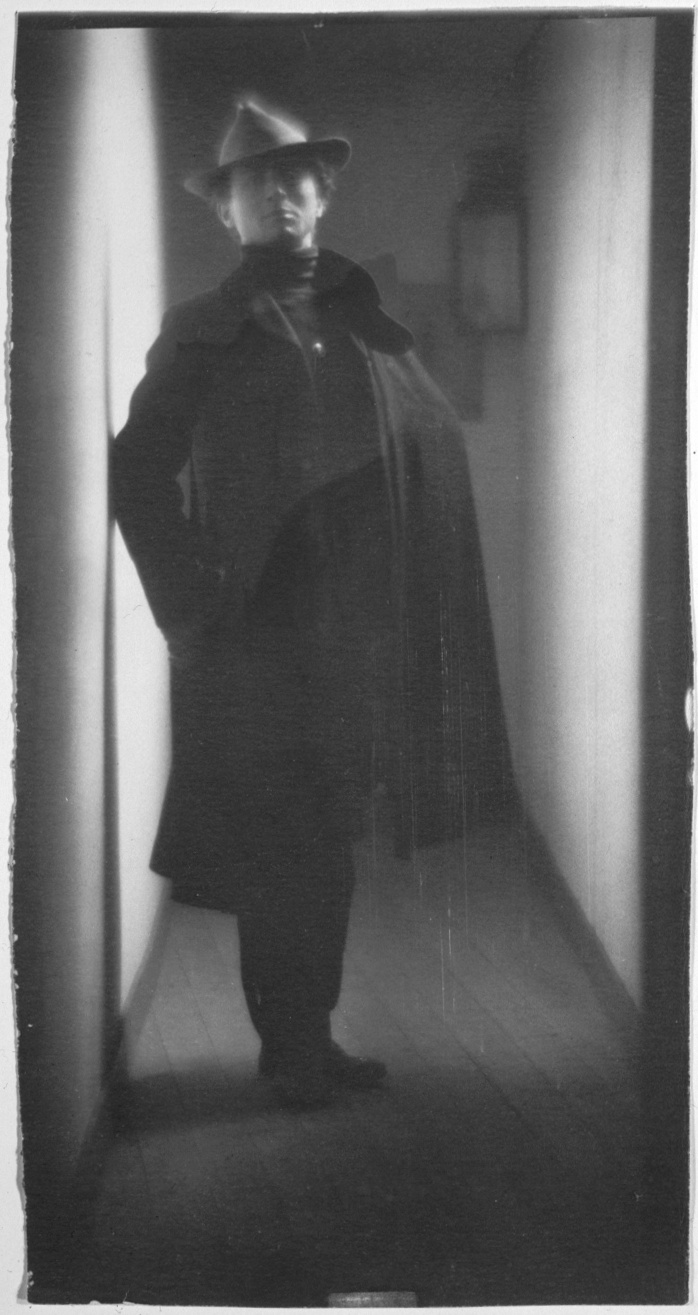
Edward Steichen
Edward Jean Steichen (Luxembourgish: [ˈʃtɑɪ̯ɕən]; March 27, 1879 – March 25, 1973) was a Luxembourgish American photographer, painter and curator and a pioneer of fashion photography. His gown images for the magazine Art et Décoration in 1911 were the first modern fashion photographs to be published. From 1923 to 1938, Steichen served as chief photographer for the Condé Nast magazines Vogue and Vanity Fair, designating him the “greatest living portrait photographer” even as he turned to painting. Steichen worked for many advertising agencies, including J. Walter Thompson. During these years, Steichen was regarded as the most popular and highest-paid photographer in the world.
After the United States' entry into World War II, Steichen was invited by the United States Navy to serve as Director of the Naval Aviation Photographic Unit. In 1944, he directed the war documentary The Fighting Lady, which won the Academy Award for Best Documentary Feature at the 17th Academy Awards.
From 1947 to 1961, Steichen served as Director of the Department of Photography at New York's Museum of Modern Art. While there, he curated and assembled exhibits including the touring exhibition The Family of Man, which was seen by nine million people. In 2003, the Family of Man photographic collection was added to UNESCO's Memory of the World Register in recognition of its historical value.
In February 2006, a print of Steichen's early pictorialist photograph, The Pond–Moonlight (1904), sold for US$2.9 million—at the time, the highest price ever paid for a photograph at auction. A print of another photograph of the same style, The Flatiron (1904), became the second most expensive photograph ever on November 8, 2022, when it was sold for $12,000,000, at Christie's New York – well above the original estimate of $2,000,000-$3,000,000.
Steichen was born Éduard Jean Steichen on March 27, 1879, in a small house in the village of Bivange, Luxembourg, the son of Jean-Pierre and Marie Kemp Steichen. His parents facing increasingly straitened circumstances and financial difficulties, decided to make a new start and emigrated to the United States when Steichen was eighteen months old. Jean-Pierre Steichen immigrated in 1880, with Marie Steichen bringing the infant Éduard along after Jean-Pierre had settled in Hancock in Michigan's Upper Peninsula copper country. According to noted Steichen biographer, Penelope Niven, the Steichens were "part of a large exodus of Luxembourgers displaced in the late nineteenth century by worsening economic conditions."
Éduard's sister and only sibling, Lilian Steichen, was born in Hancock on May 1, 1883. She would later marry poet Carl Sandburg, whom she met at the Milwaukee Social Democratic Party office in 1907. Her marriage to Sandburg the following year helped forge a life-long friendship and partnership between her brother and Sandburg.
By 1889, when Éduard was 10, his parents had saved up enough money to move the family to Milwaukee (Wisconsin). There he learned German and English at school, while continuing to speak Luxembourgish at home.
In 1894, at fifteen, Steichen began attending Pio Nono College, a Catholic boys' high school, where his artistic talents were noticed. His drawings in particular were said to show promise. He quit high school to begin a four-year lithography apprenticeship with the American Fine Art Company of Milwaukee. After hours, he would sketch and draw, and he began to teach himself painting. Having discovered a camera shop near his work, he visited frequently until he persuaded himself to buy his first camera, a secondhand Kodak box "detective" camera, in 1895. Steichen and his friends who were also interested in drawing and photography pooled their funds, rented a small room in a Milwaukee office building, and began calling themselves the Milwaukee Art Students League. The group hired Richard Lorenz and Robert Schade for occasional lectures. In 1899, Steichen's photographs were exhibited in the second Philadelphia Photographic Salon.
Hub AI
Edward Steichen AI simulator
(@Edward Steichen_simulator)
Edward Steichen
Edward Jean Steichen (Luxembourgish: [ˈʃtɑɪ̯ɕən]; March 27, 1879 – March 25, 1973) was a Luxembourgish American photographer, painter and curator and a pioneer of fashion photography. His gown images for the magazine Art et Décoration in 1911 were the first modern fashion photographs to be published. From 1923 to 1938, Steichen served as chief photographer for the Condé Nast magazines Vogue and Vanity Fair, designating him the “greatest living portrait photographer” even as he turned to painting. Steichen worked for many advertising agencies, including J. Walter Thompson. During these years, Steichen was regarded as the most popular and highest-paid photographer in the world.
After the United States' entry into World War II, Steichen was invited by the United States Navy to serve as Director of the Naval Aviation Photographic Unit. In 1944, he directed the war documentary The Fighting Lady, which won the Academy Award for Best Documentary Feature at the 17th Academy Awards.
From 1947 to 1961, Steichen served as Director of the Department of Photography at New York's Museum of Modern Art. While there, he curated and assembled exhibits including the touring exhibition The Family of Man, which was seen by nine million people. In 2003, the Family of Man photographic collection was added to UNESCO's Memory of the World Register in recognition of its historical value.
In February 2006, a print of Steichen's early pictorialist photograph, The Pond–Moonlight (1904), sold for US$2.9 million—at the time, the highest price ever paid for a photograph at auction. A print of another photograph of the same style, The Flatiron (1904), became the second most expensive photograph ever on November 8, 2022, when it was sold for $12,000,000, at Christie's New York – well above the original estimate of $2,000,000-$3,000,000.
Steichen was born Éduard Jean Steichen on March 27, 1879, in a small house in the village of Bivange, Luxembourg, the son of Jean-Pierre and Marie Kemp Steichen. His parents facing increasingly straitened circumstances and financial difficulties, decided to make a new start and emigrated to the United States when Steichen was eighteen months old. Jean-Pierre Steichen immigrated in 1880, with Marie Steichen bringing the infant Éduard along after Jean-Pierre had settled in Hancock in Michigan's Upper Peninsula copper country. According to noted Steichen biographer, Penelope Niven, the Steichens were "part of a large exodus of Luxembourgers displaced in the late nineteenth century by worsening economic conditions."
Éduard's sister and only sibling, Lilian Steichen, was born in Hancock on May 1, 1883. She would later marry poet Carl Sandburg, whom she met at the Milwaukee Social Democratic Party office in 1907. Her marriage to Sandburg the following year helped forge a life-long friendship and partnership between her brother and Sandburg.
By 1889, when Éduard was 10, his parents had saved up enough money to move the family to Milwaukee (Wisconsin). There he learned German and English at school, while continuing to speak Luxembourgish at home.
In 1894, at fifteen, Steichen began attending Pio Nono College, a Catholic boys' high school, where his artistic talents were noticed. His drawings in particular were said to show promise. He quit high school to begin a four-year lithography apprenticeship with the American Fine Art Company of Milwaukee. After hours, he would sketch and draw, and he began to teach himself painting. Having discovered a camera shop near his work, he visited frequently until he persuaded himself to buy his first camera, a secondhand Kodak box "detective" camera, in 1895. Steichen and his friends who were also interested in drawing and photography pooled their funds, rented a small room in a Milwaukee office building, and began calling themselves the Milwaukee Art Students League. The group hired Richard Lorenz and Robert Schade for occasional lectures. In 1899, Steichen's photographs were exhibited in the second Philadelphia Photographic Salon.