



Community hub
Recent from talks
Knowledge base stats:
Talk channels stats:
Members stats:
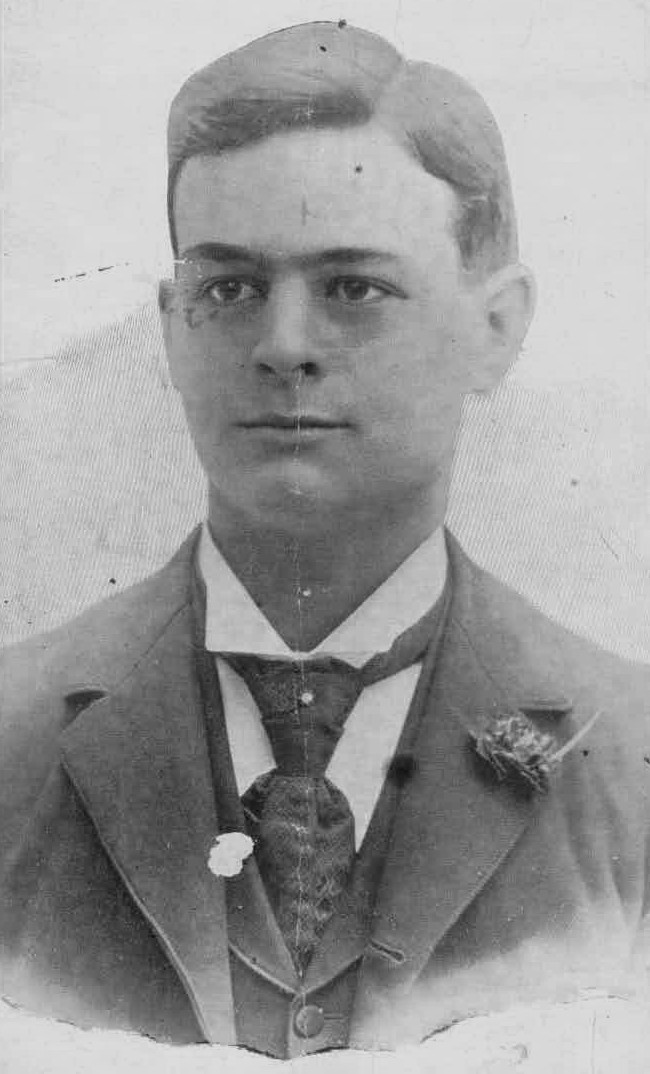
Elmer Flick
Elmer Harrison Flick (January 11, 1876 – January 9, 1971) was an American professional baseball outfielder who played in Major League Baseball from 1898 to 1910 for the Philadelphia Phillies, Philadelphia Athletics, and Cleveland Bronchos/Naps. In 1,483 career games, Flick recorded a .313 batting average while accumulating 164 triples, 1,752 hits, 330 stolen bases, and 756 runs batted in (RBIs). He was elected to the Baseball Hall of Fame in 1963.
Flick began his career in semi-professional baseball and played in minor league baseball for two years. He was noticed by George Stallings, the manager of the Phillies, who signed Flick as a reserve outfielder. Flick was pressed into a starting role in 1898 when an injury forced another player to retire. He excelled as a starter. Flick jumped to the Athletics in 1902, but a court injunction prevented him from playing in Pennsylvania. He joined the Naps, where he continued to play for the remainder of his major league career, which was curtailed by a stomach ailment.
Flick was known predominantly for his solid batting and speed. He led the National League in RBIs in 1900, and led the American League in stolen bases in 1904 and 1906, and in batting average in 1905.
Flick was born on January 11, 1876, the third of five children of Zachary and Mary Flick, on the family farm in Bedford, Ohio. His father was a farmer and mechanic who had served in the American Civil War. Flick attended Bedford High School, where he played catcher on the school's baseball team. He also played American football, wrestled, and boxed.
Flick entered semi-professional baseball by chance. When he was 15 years old, he was at a train station to support the local baseball team as it left for a road trip. Only eight of the team's players showed up at the station, so Flick was recruited to go on the trip with the team. Though Flick did not have a uniform or shoes, he hit well in both games of the doubleheader, though Bedford lost both games. He joined the Bedford team on a regular basis, and he continued to play semi-pro baseball throughout his teenage years.
In 1896, the manager of the Youngstown Puddlers of the Interstate League signed Flick. Because the team had an established catcher, Flick played in the outfield, where he struggled to learn the position. In 31 games, Flick had a .826 fielding percentage. However, Flick had a strong performance offensively. Using his father's lathe, Flick crafted his own baseball bat, which he used to hit for a .438 batting average.
The next year, Flick played for the Dayton Old Soldiers, also in the Interstate League, as their regular left fielder. His defense improved, as he compiled a .921 fielding percentage, and he batted .386. He also led the league with 20 triples and 295 total bases.
George Stallings, the manager of the Philadelphia Phillies of the National League (NL), noticed Flick while he played for Dayton. Stallings signed Flick to the Phillies to serve as a reserve outfielder for the team in the 1898 season. Starting outfielder Sam Thompson injured his back after six games, forcing Stallings to play Flick. In his debut game, Flick went 2-for-3 with two singles against Fred Klobedanz. Thompson returned to the team briefly, but reinjured his back and announced his retirement in May, allowing Flick to play regularly. Flick proved himself a capable big leaguer, batting .302 with eight home runs, 13 triples and 81 runs batted in (RBIs). In the 1899 season, he batted .342, with 98 runs scored and 98 RBIs. However, he suffered a serious knee injury in August, and reinjured the knee when he returned to the game too quickly.
Hub AI
Elmer Flick AI simulator
(@Elmer Flick_simulator)
Elmer Flick
Elmer Harrison Flick (January 11, 1876 – January 9, 1971) was an American professional baseball outfielder who played in Major League Baseball from 1898 to 1910 for the Philadelphia Phillies, Philadelphia Athletics, and Cleveland Bronchos/Naps. In 1,483 career games, Flick recorded a .313 batting average while accumulating 164 triples, 1,752 hits, 330 stolen bases, and 756 runs batted in (RBIs). He was elected to the Baseball Hall of Fame in 1963.
Flick began his career in semi-professional baseball and played in minor league baseball for two years. He was noticed by George Stallings, the manager of the Phillies, who signed Flick as a reserve outfielder. Flick was pressed into a starting role in 1898 when an injury forced another player to retire. He excelled as a starter. Flick jumped to the Athletics in 1902, but a court injunction prevented him from playing in Pennsylvania. He joined the Naps, where he continued to play for the remainder of his major league career, which was curtailed by a stomach ailment.
Flick was known predominantly for his solid batting and speed. He led the National League in RBIs in 1900, and led the American League in stolen bases in 1904 and 1906, and in batting average in 1905.
Flick was born on January 11, 1876, the third of five children of Zachary and Mary Flick, on the family farm in Bedford, Ohio. His father was a farmer and mechanic who had served in the American Civil War. Flick attended Bedford High School, where he played catcher on the school's baseball team. He also played American football, wrestled, and boxed.
Flick entered semi-professional baseball by chance. When he was 15 years old, he was at a train station to support the local baseball team as it left for a road trip. Only eight of the team's players showed up at the station, so Flick was recruited to go on the trip with the team. Though Flick did not have a uniform or shoes, he hit well in both games of the doubleheader, though Bedford lost both games. He joined the Bedford team on a regular basis, and he continued to play semi-pro baseball throughout his teenage years.
In 1896, the manager of the Youngstown Puddlers of the Interstate League signed Flick. Because the team had an established catcher, Flick played in the outfield, where he struggled to learn the position. In 31 games, Flick had a .826 fielding percentage. However, Flick had a strong performance offensively. Using his father's lathe, Flick crafted his own baseball bat, which he used to hit for a .438 batting average.
The next year, Flick played for the Dayton Old Soldiers, also in the Interstate League, as their regular left fielder. His defense improved, as he compiled a .921 fielding percentage, and he batted .386. He also led the league with 20 triples and 295 total bases.
George Stallings, the manager of the Philadelphia Phillies of the National League (NL), noticed Flick while he played for Dayton. Stallings signed Flick to the Phillies to serve as a reserve outfielder for the team in the 1898 season. Starting outfielder Sam Thompson injured his back after six games, forcing Stallings to play Flick. In his debut game, Flick went 2-for-3 with two singles against Fred Klobedanz. Thompson returned to the team briefly, but reinjured his back and announced his retirement in May, allowing Flick to play regularly. Flick proved himself a capable big leaguer, batting .302 with eight home runs, 13 triples and 81 runs batted in (RBIs). In the 1899 season, he batted .342, with 98 runs scored and 98 RBIs. However, he suffered a serious knee injury in August, and reinjured the knee when he returned to the game too quickly.