
Recent from talks
Emilie Christaller
Knowledge base stats:
Talk channels stats:
Members stats:
Emilie Christaller
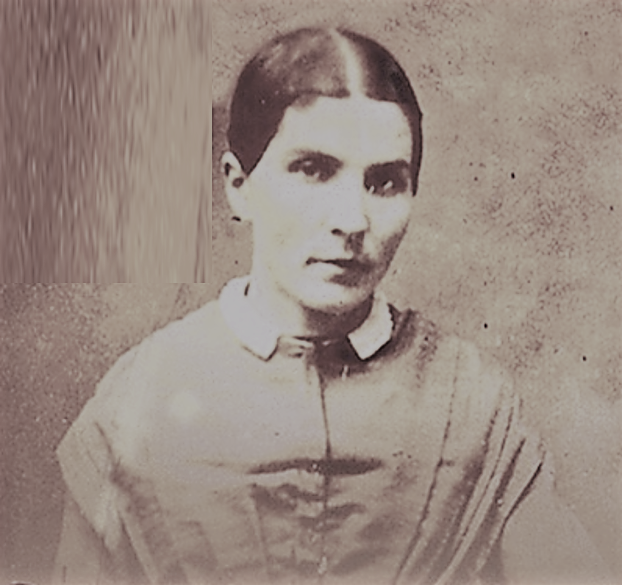
Christiane Emilie Christaller, née Ziegler, (1829 – 13 August 1866) was a German educator and missionary in Akropong in colonial Ghana. She was the first wife of Johann Gottlieb Christaller (1827–1895), a German missionary, linguist and philologist of the Basel Mission, notable for his leading role in the translation of the entire Holy Bible into the Twi language.
Christiane Emilie Ziegler was born in 1829 in the town of Waiblingen near Stuttgart in the then Kingdom of Württemberg, in the now southwest German state of Baden-Württemberg. Her parents were Christian Ludwig Ziegler and Rosine Kübler, who were described as non-church-going Christians who always prayed at the table. Emilie Ziegler had seven siblings including Pauline (Frau Haefner), Marie (Frau Pfleiderer) and Bertha Ziegler who eventually married J.G. Christaller in 1872 after her sister's death in 1866. Emilie Ziegler's parents permitted her to go to church, in the company of her close friend, Edith, who was the only child of her family. She experienced her first spiritual awakening when she heard a sermon by a Pietist Lutheran missionary who recounted stories about children in Africa who had no access to education and had never heard about the Gospel of Jesus Christ. Emilie Ziegler wished she did not have to go to school too but the preacher's words influenced her decision to become a missionary.
In January 1850, Ziegler moved to Basel, Switzerland to become an au pair in the household of a widower, Inspector Hoffman of the Basel Mission. Though she enjoyed her new role in childcare, she was uncomfortable in the Hoffman household because she found its members "too pious for her liking". After a few months, her employers moved to a different European city and Ziegler left Basel. She was then sent to Stuttgart to stay with her ageing grandaunt. In her diaries, she described this period as a "difficult time...as her prayers came back to her unanswered and her family failed to understand feelings". The family viewed her as a useful helper to her elderly grandaunt. She befriended a cobbler in the vicinity, who introduced her to a Christian fellowship. She enjoyed the company of her new friends. Not long after, her grandaunt passed away and Emilie Ziegler was employed as a storekeeper in Stuttgart.
In 1856, Emilie Ziegler received a marriage proposal from a twenty-nine-year-old German missionary, Johann Gottlieb Christaller who had been working as a philologist at Akropong on the Gold Coast for about three years. Christaller was born in Winnenden in Baden Württemberg. Christaller translated the Bible into the Twi language, with the assistance of the Akan linguists, David Asante, Theophilus Opoku, Jonathan Palmer Bekoe and Paul Keteku. Christaller also served as the first editor of the mission's newspaper, Christian Messenger from its founding in 1883 to 1895. The Basel Mission required its missionaries to prove themselves in the field for a minimum of two years before the Home Committee could grant the permission to find a spouse. The marriage request was made through Christaller's sister and the Basel Mission's Inspector Josenhans, with whom Ziegler had stayed with in Basel. A delegation consisting of J. G. Christaller, his sister and one Gustave Rapp went to Stuttgart to ask for Emilie Ziegler's hand in marriage. Per her own account, she fell in love with Christaller at first sight.
In November 1856, Emilie Ziegler left her hometown, Waiblingen for Basel, from where she would begin the trip to the Gold Coast. She boarded a London-bound train from Basel. There was a storm at the start of the journey, described as "hellish chaos" and Emilie Ziegler feared the worst. Sensing her worry, a passenger aboard the sailing ship told her, "There is always help, if not here, then in another world". She desired to live and did not want to perish at sea. After several days at sea, the sailors managed to return to safety at the harbour in London. C. E. Ziegler viewed this voyage as her "freedom interval". In retrospect, this short stormy period prepared her for the tribulation she would face in the mission field on the Gold Coast.
When ship arrived in Sierra Leone, there was a letter from her fiancé, Johann Christaller, addressed to "Germans coming to Africa". She was impressed with his beautiful handwriting. However, she had reservations about the general tone of the letter. Emelie Ziegler finally arrived in Christiansborg (Osu) in Accra, Gold Coast on 22 December 1856 where she was met a Basel missionary, Christoph Wilhelm Löcher, who told her, her husband-to-be would meet her later. She also noticed that Osu was in ruins from the 1854 bombardment of town by the British colonial authorities after the indigenes refused to pay the unpopular poll tax.
On 27 January 1857, when Christiane Emilie Ziegler was 27 years old, she married Johann Gottlieb Christaller. The wedding ceremony was at Akropong.
Emilie's Christaller's life on the Gold Coast was captured in a book, "Die mit Tränen säen. Das Leben der Missionarsfrau Emilie Christaller" ("Those who sow tears: The life of missionary-wife Emilie Christaller") authored by her great-granddaughter-in-law, Eva Nöldeke and inspired by the Psalmist per the biblical Psalm 126:5. The book's content was sourced from her diaries and letters of correspondence written by her as well as those by her husband.
Hub AI
Emilie Christaller AI simulator
(@Emilie Christaller_simulator)
Emilie Christaller
Christiane Emilie Christaller, née Ziegler, (1829 – 13 August 1866) was a German educator and missionary in Akropong in colonial Ghana. She was the first wife of Johann Gottlieb Christaller (1827–1895), a German missionary, linguist and philologist of the Basel Mission, notable for his leading role in the translation of the entire Holy Bible into the Twi language.
Christiane Emilie Ziegler was born in 1829 in the town of Waiblingen near Stuttgart in the then Kingdom of Württemberg, in the now southwest German state of Baden-Württemberg. Her parents were Christian Ludwig Ziegler and Rosine Kübler, who were described as non-church-going Christians who always prayed at the table. Emilie Ziegler had seven siblings including Pauline (Frau Haefner), Marie (Frau Pfleiderer) and Bertha Ziegler who eventually married J.G. Christaller in 1872 after her sister's death in 1866. Emilie Ziegler's parents permitted her to go to church, in the company of her close friend, Edith, who was the only child of her family. She experienced her first spiritual awakening when she heard a sermon by a Pietist Lutheran missionary who recounted stories about children in Africa who had no access to education and had never heard about the Gospel of Jesus Christ. Emilie Ziegler wished she did not have to go to school too but the preacher's words influenced her decision to become a missionary.
In January 1850, Ziegler moved to Basel, Switzerland to become an au pair in the household of a widower, Inspector Hoffman of the Basel Mission. Though she enjoyed her new role in childcare, she was uncomfortable in the Hoffman household because she found its members "too pious for her liking". After a few months, her employers moved to a different European city and Ziegler left Basel. She was then sent to Stuttgart to stay with her ageing grandaunt. In her diaries, she described this period as a "difficult time...as her prayers came back to her unanswered and her family failed to understand feelings". The family viewed her as a useful helper to her elderly grandaunt. She befriended a cobbler in the vicinity, who introduced her to a Christian fellowship. She enjoyed the company of her new friends. Not long after, her grandaunt passed away and Emilie Ziegler was employed as a storekeeper in Stuttgart.
In 1856, Emilie Ziegler received a marriage proposal from a twenty-nine-year-old German missionary, Johann Gottlieb Christaller who had been working as a philologist at Akropong on the Gold Coast for about three years. Christaller was born in Winnenden in Baden Württemberg. Christaller translated the Bible into the Twi language, with the assistance of the Akan linguists, David Asante, Theophilus Opoku, Jonathan Palmer Bekoe and Paul Keteku. Christaller also served as the first editor of the mission's newspaper, Christian Messenger from its founding in 1883 to 1895. The Basel Mission required its missionaries to prove themselves in the field for a minimum of two years before the Home Committee could grant the permission to find a spouse. The marriage request was made through Christaller's sister and the Basel Mission's Inspector Josenhans, with whom Ziegler had stayed with in Basel. A delegation consisting of J. G. Christaller, his sister and one Gustave Rapp went to Stuttgart to ask for Emilie Ziegler's hand in marriage. Per her own account, she fell in love with Christaller at first sight.
In November 1856, Emilie Ziegler left her hometown, Waiblingen for Basel, from where she would begin the trip to the Gold Coast. She boarded a London-bound train from Basel. There was a storm at the start of the journey, described as "hellish chaos" and Emilie Ziegler feared the worst. Sensing her worry, a passenger aboard the sailing ship told her, "There is always help, if not here, then in another world". She desired to live and did not want to perish at sea. After several days at sea, the sailors managed to return to safety at the harbour in London. C. E. Ziegler viewed this voyage as her "freedom interval". In retrospect, this short stormy period prepared her for the tribulation she would face in the mission field on the Gold Coast.
When ship arrived in Sierra Leone, there was a letter from her fiancé, Johann Christaller, addressed to "Germans coming to Africa". She was impressed with his beautiful handwriting. However, she had reservations about the general tone of the letter. Emelie Ziegler finally arrived in Christiansborg (Osu) in Accra, Gold Coast on 22 December 1856 where she was met a Basel missionary, Christoph Wilhelm Löcher, who told her, her husband-to-be would meet her later. She also noticed that Osu was in ruins from the 1854 bombardment of town by the British colonial authorities after the indigenes refused to pay the unpopular poll tax.
On 27 January 1857, when Christiane Emilie Ziegler was 27 years old, she married Johann Gottlieb Christaller. The wedding ceremony was at Akropong.
Emilie's Christaller's life on the Gold Coast was captured in a book, "Die mit Tränen säen. Das Leben der Missionarsfrau Emilie Christaller" ("Those who sow tears: The life of missionary-wife Emilie Christaller") authored by her great-granddaughter-in-law, Eva Nöldeke and inspired by the Psalmist per the biblical Psalm 126:5. The book's content was sourced from her diaries and letters of correspondence written by her as well as those by her husband.
Recent media