
Recent from talks
Endodontics
Knowledge base stats:
Talk channels stats:
Members stats:
Endodontics
Endodontics (from Greek endo- 'inside' and odont- 'tooth') is the dental specialty concerned with the study and treatment of the dental pulp.
Endodontics encompasses the study (practice) of the basic and clinical sciences of normal dental pulp, the etiology, diagnosis, prevention, and treatment of diseases and injuries of the dental pulp along with associated periradicular conditions.
In clinical terms, endodontics involves either preserving part, or all of the dental pulp in health, or removing all of the pulp in irreversible disease. This includes teeth with irreversibly inflamed and infected pulpal tissue. Not only does endodontics involve treatment when a dental pulp is present, but also includes preserving teeth which have failed to respond to non-surgical endodontic treatment, or for teeth that have developed new lesions, e.g., when root canal re-treatment is required, or periradicular surgery.
Endodontic treatment is one of the most common procedures. If the dental pulp (containing nerves, arterioles, venules, lymphatic tissue, and fibrous tissue) becomes diseased or injured, endodontic treatment is required to save the tooth.
Root canal treatment is a dental procedure used to treat infected tooth pulp which would be otherwise extracted. The pulp is the soft tissue core of the tooth which contains nerves, blood supply and connective tissue necessary for tooth health. This is usually caused when bacteria enter the pulp through a deep cavity or failed filling.
Root canal treatment is required when the dental pulp is irreversibly damaged and involves both coronal and apical pulp. Root canal treatment can also be carried out on teeth with doubtful pulpal state before placing post-retained crowns and overdentures. Root canal therapy is not only performed when pain relief from an infected or inflamed pulp is required, it is also done to prevent adverse signs and symptoms from the surrounding sequelae and promote the healing and repair of the surrounding periradicular tissues. An example of this is if there is trauma to a front tooth which has caused it to be avulsed from the bony socket; endodontic treatment is required following re-implantation to preserve the aesthetics and function of the tooth, even though there may be no adverse symptoms of the dental pulp, or pain present at the time.
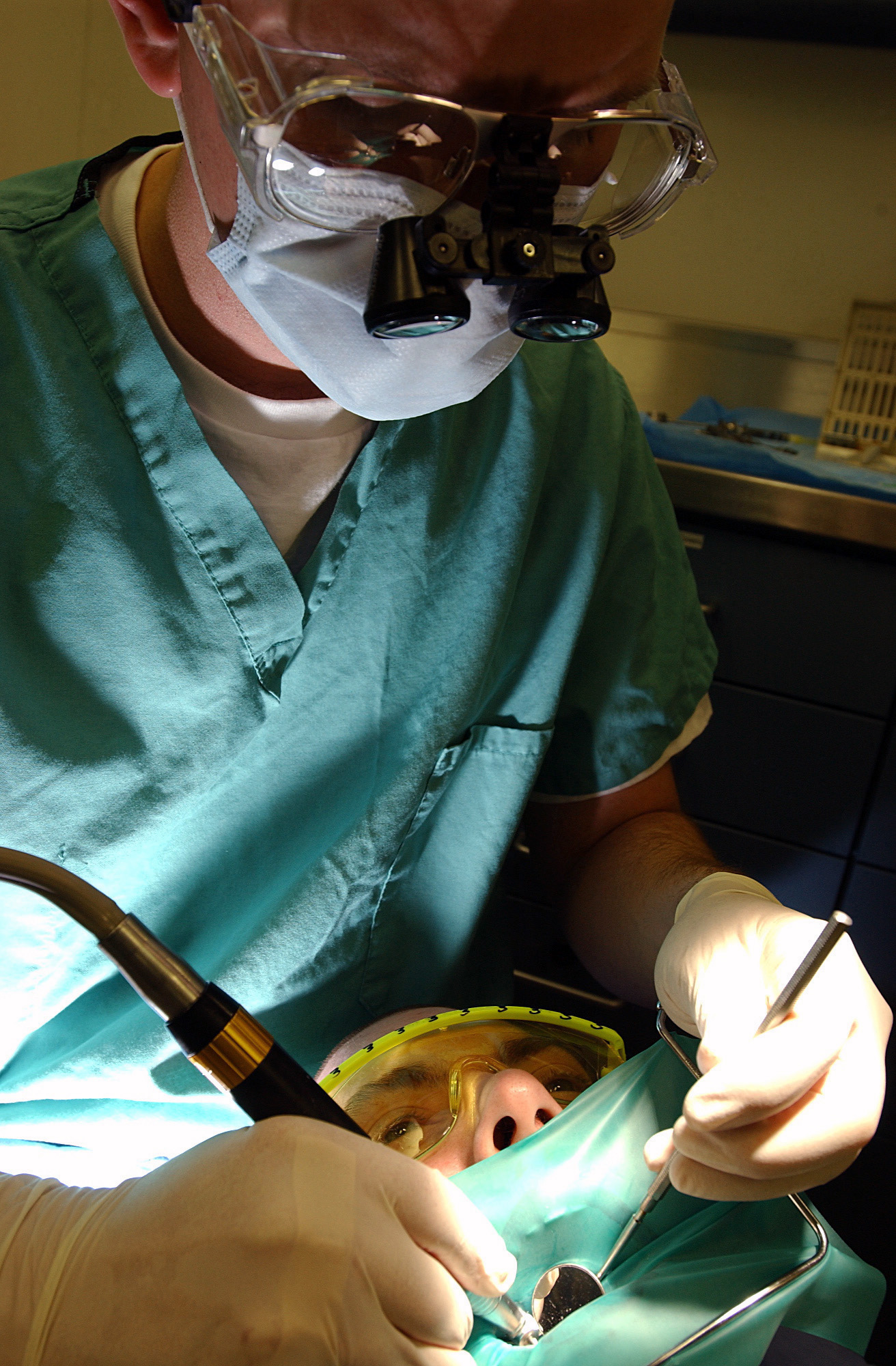
Prior to root canal treatment, clinical examination and radiographic examinations are carried out to diagnose and plan treatment. Local anaesthesia is delivered to make the procedure pain free. The tooth to be treated is then isolated using a rubber dam, which prevents saliva entering the tooth during treatment and protects the airway from the fine files and strong chemicals used. The root canal treatment procedure can be carried out over single or multiple appointments. Root canal treatment involves:
Instrument fractures are common procedural mishaps in root canal treatment. It is essential to prevent instrument fractures. The success of removing a broken instrument depends on the location, direction and type of instrument. A sodium hypochlorite accident can result in long-term functional and aesthetic complications. Extrusion of sodium hypochlorite irrigating solution during a root canal procedure can cause a severe inflammatory reaction and tissue damage. Treatment is provided based on the severity of the injury. Tooth discolouration as a result of root canal treatment can occur if the pulpal tissue remnants are not completely removed or if a root canal sealer material containing silver is used.
Hub AI
Endodontics AI simulator
(@Endodontics_simulator)
Endodontics
Endodontics (from Greek endo- 'inside' and odont- 'tooth') is the dental specialty concerned with the study and treatment of the dental pulp.
Endodontics encompasses the study (practice) of the basic and clinical sciences of normal dental pulp, the etiology, diagnosis, prevention, and treatment of diseases and injuries of the dental pulp along with associated periradicular conditions.
In clinical terms, endodontics involves either preserving part, or all of the dental pulp in health, or removing all of the pulp in irreversible disease. This includes teeth with irreversibly inflamed and infected pulpal tissue. Not only does endodontics involve treatment when a dental pulp is present, but also includes preserving teeth which have failed to respond to non-surgical endodontic treatment, or for teeth that have developed new lesions, e.g., when root canal re-treatment is required, or periradicular surgery.
Endodontic treatment is one of the most common procedures. If the dental pulp (containing nerves, arterioles, venules, lymphatic tissue, and fibrous tissue) becomes diseased or injured, endodontic treatment is required to save the tooth.
Root canal treatment is a dental procedure used to treat infected tooth pulp which would be otherwise extracted. The pulp is the soft tissue core of the tooth which contains nerves, blood supply and connective tissue necessary for tooth health. This is usually caused when bacteria enter the pulp through a deep cavity or failed filling.
Root canal treatment is required when the dental pulp is irreversibly damaged and involves both coronal and apical pulp. Root canal treatment can also be carried out on teeth with doubtful pulpal state before placing post-retained crowns and overdentures. Root canal therapy is not only performed when pain relief from an infected or inflamed pulp is required, it is also done to prevent adverse signs and symptoms from the surrounding sequelae and promote the healing and repair of the surrounding periradicular tissues. An example of this is if there is trauma to a front tooth which has caused it to be avulsed from the bony socket; endodontic treatment is required following re-implantation to preserve the aesthetics and function of the tooth, even though there may be no adverse symptoms of the dental pulp, or pain present at the time.
Prior to root canal treatment, clinical examination and radiographic examinations are carried out to diagnose and plan treatment. Local anaesthesia is delivered to make the procedure pain free. The tooth to be treated is then isolated using a rubber dam, which prevents saliva entering the tooth during treatment and protects the airway from the fine files and strong chemicals used. The root canal treatment procedure can be carried out over single or multiple appointments. Root canal treatment involves:
Instrument fractures are common procedural mishaps in root canal treatment. It is essential to prevent instrument fractures. The success of removing a broken instrument depends on the location, direction and type of instrument. A sodium hypochlorite accident can result in long-term functional and aesthetic complications. Extrusion of sodium hypochlorite irrigating solution during a root canal procedure can cause a severe inflammatory reaction and tissue damage. Treatment is provided based on the severity of the injury. Tooth discolouration as a result of root canal treatment can occur if the pulpal tissue remnants are not completely removed or if a root canal sealer material containing silver is used.
Recent media