
Recent from talks
Epilepsy in children
Knowledge base stats:
Talk channels stats:
Members stats:
Epilepsy in children
Epilepsy is a neurological condition of recurrent episodes of unprovoked epileptic seizures. A seizure is an abnormal neuronal brain activity that can cause intellectual, emotional, and social consequences. Epilepsy affects children and adults of all ages and races, and is one of the most common neurological disorders of the nervous system. Epilepsy is more common among children than adults, affecting about 6 out of 1000 US children that are between the age of 0 to 5 years old. The epileptic seizures can be of different types depending on the part of the brain that was affected, seizures are classified in 2 main types partial seizure or generalized seizure.
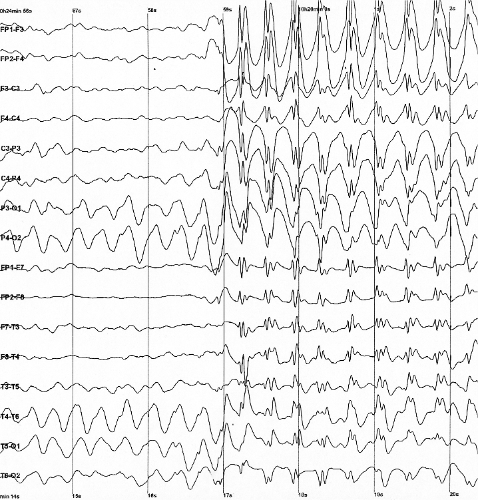
Once a child has their first seizure or suspect seizure, they should be referred to specialized paediatrician in epilepsy and seizures to assess the seizure and conclude a diagnosis. The specialist doctor will take a detailed history of the child, perform physical examinations, clinical laboratory tests such as blood and genetic test, and neuroimaging. If the child is suspected of epileptic seizures, then additional investigations are to be performed such as, an electroencephalogram (EEG) which can give more information of the brain electrical activity and the seizure type.
The epileptic seizure in the vast majority of pediatric epilepsy patients is ephemeral, and symptoms typically subside on their own after the seizure comes to an end, but some children experience what is known as a "seizure cluster," in which the first seizure is followed by a second episode approximately six hours later. These recurrent seizure episodes pose a higher risk of death for children.
Children should be treated with proper and effective therapy to prevent irreversible neural damage. Treatment options for epilepsy include medications, diet, and surgery. Diet and surgery are considered for children who have medication resistant epilepsy.
Epilepsy is classified according to seizure types, epilepsy types, and epilepsy syndromes. The seizure types include focal onset, generalized onset, and unknown onset, while the epilepsy types include focal, generalized, combination focal and generalized, and unknown. Accurate classification of epilepsy will help in providing an appropriate treatment and management therapy.
Assessment for epilepsy is conducted and diagnosed by a neurologist. The International League Against Epilepsy (ILAE) propose that before treating epilepsy it should be properly classified and diagnosed. Epilepsy is confirmed when at least one of the following conditions is present in the patient:
As for the first condition, the time of the seizures occurring greater than 24 hours apart is necessary in the diagnosis parameters, but there is not a specific time frame that can be utilized to reset the clock. For example, a person who has their first unprovoked seizure at the age of 5 and another seizure 20 years later, would have the diagnosis of epilepsy. When seizures are temporary, short-lived, or spontaneously occurring as a result of acute brain trauma, fever, alcohol withdrawal, low or high blood sugar, then that would not be diagnosed as epilepsy and, because seizures that occur due to a known cause are considered provoked.
In terms of the second condition, high recurrence risk, it is when a patient who already had developed one unprovoked seizure and is then labeled to have a greater than or equal to 60% risk of having another seizure within the next 10 years. Two criteria must be met to predict greater than or equal to 60% risk of having a second seizure in the next 10 years. The first one is brain imaging should indicate there is a potential for the brain to generate spontaneous and recurrent seizures. As for the second criteria, an EEG test must show abnormal electrical brain patterns that indicate a high risk of recurrence of another seizure. If the neuroimaging and the EEG tests show abnormal findings that does not have an epileptiform potential, meaning there are certain brain waves or activity that imply or are associated with epilepsy and the patient experienced one unprovoked seizure, then the patient would not be diagnosed with epilepsy. The consensus to set the percentage at greater than or equal to 60% is because it represents the minimum level of confidence for someone who already experienced two unprovoked seizures to likely have a third one.
Hub AI
Epilepsy in children AI simulator
(@Epilepsy in children_simulator)
Epilepsy in children
Epilepsy is a neurological condition of recurrent episodes of unprovoked epileptic seizures. A seizure is an abnormal neuronal brain activity that can cause intellectual, emotional, and social consequences. Epilepsy affects children and adults of all ages and races, and is one of the most common neurological disorders of the nervous system. Epilepsy is more common among children than adults, affecting about 6 out of 1000 US children that are between the age of 0 to 5 years old. The epileptic seizures can be of different types depending on the part of the brain that was affected, seizures are classified in 2 main types partial seizure or generalized seizure.
Once a child has their first seizure or suspect seizure, they should be referred to specialized paediatrician in epilepsy and seizures to assess the seizure and conclude a diagnosis. The specialist doctor will take a detailed history of the child, perform physical examinations, clinical laboratory tests such as blood and genetic test, and neuroimaging. If the child is suspected of epileptic seizures, then additional investigations are to be performed such as, an electroencephalogram (EEG) which can give more information of the brain electrical activity and the seizure type.
The epileptic seizure in the vast majority of pediatric epilepsy patients is ephemeral, and symptoms typically subside on their own after the seizure comes to an end, but some children experience what is known as a "seizure cluster," in which the first seizure is followed by a second episode approximately six hours later. These recurrent seizure episodes pose a higher risk of death for children.
Children should be treated with proper and effective therapy to prevent irreversible neural damage. Treatment options for epilepsy include medications, diet, and surgery. Diet and surgery are considered for children who have medication resistant epilepsy.
Epilepsy is classified according to seizure types, epilepsy types, and epilepsy syndromes. The seizure types include focal onset, generalized onset, and unknown onset, while the epilepsy types include focal, generalized, combination focal and generalized, and unknown. Accurate classification of epilepsy will help in providing an appropriate treatment and management therapy.
Assessment for epilepsy is conducted and diagnosed by a neurologist. The International League Against Epilepsy (ILAE) propose that before treating epilepsy it should be properly classified and diagnosed. Epilepsy is confirmed when at least one of the following conditions is present in the patient:
As for the first condition, the time of the seizures occurring greater than 24 hours apart is necessary in the diagnosis parameters, but there is not a specific time frame that can be utilized to reset the clock. For example, a person who has their first unprovoked seizure at the age of 5 and another seizure 20 years later, would have the diagnosis of epilepsy. When seizures are temporary, short-lived, or spontaneously occurring as a result of acute brain trauma, fever, alcohol withdrawal, low or high blood sugar, then that would not be diagnosed as epilepsy and, because seizures that occur due to a known cause are considered provoked.
In terms of the second condition, high recurrence risk, it is when a patient who already had developed one unprovoked seizure and is then labeled to have a greater than or equal to 60% risk of having another seizure within the next 10 years. Two criteria must be met to predict greater than or equal to 60% risk of having a second seizure in the next 10 years. The first one is brain imaging should indicate there is a potential for the brain to generate spontaneous and recurrent seizures. As for the second criteria, an EEG test must show abnormal electrical brain patterns that indicate a high risk of recurrence of another seizure. If the neuroimaging and the EEG tests show abnormal findings that does not have an epileptiform potential, meaning there are certain brain waves or activity that imply or are associated with epilepsy and the patient experienced one unprovoked seizure, then the patient would not be diagnosed with epilepsy. The consensus to set the percentage at greater than or equal to 60% is because it represents the minimum level of confidence for someone who already experienced two unprovoked seizures to likely have a third one.
Recent media